

Professional Wheat Flour Machinery: How to Choose the Right Equipment for Your Mill
2026-09-13
If you've spent any time around a wheat flour mill, you already know that the equipment you choose sets the ceiling for your quality and output. A roller mill that can't hold its gap under load or a sifter that blinds too quickly doesn't just slow you down—it quietly erodes your margins every shift. That's why buying professional wheat flour machinery deserves more than a quick comparison of horsepower and price tags. The right choice depends on your raw wheat characteristics, target flour ash content, and how much flexibility you need for future product lines. In this post, we'll break down the selection criteria that matter in real production environments. We'll also look at how manufacturers like PINGLE approach engineering for long-term mill performance, so you can make a decision you won't regret after the first harvest surge.
Don’t Let Your Roller Mill Become Your Bottleneck
A roller mill quietly becomes the choke point in a processing line when operators stop paying attention to the small things: worn roll surfaces, uneven feed distribution, or a slight misalignment that nobody bothers to correct. The machine keeps running, so everyone assumes it's fine. But throughput drops a few percent each month, and suddenly the whole plant is waiting on one piece of equipment that used to handle the load without complaint.
The fix rarely involves buying a bigger mill. Start by tracking roll gap settings against actual particle size output weekly, not quarterly. Install simple sensors to catch feed fluctuations before they turn into surging or starvation. And don't ignore moisture changes in incoming material — a roller mill that handles dry grain beautifully may struggle with the same grain at two points higher moisture, forcing operators to slow the feed rate and disguise the real bottleneck.
Shift the mindset from reactive repair to scheduled conditioning. Regrind or replace rolls on a usage-hour basis, not when someone notices fines increasing. Train operators to listen for subtle changes in motor pitch and to feel the mill's vibration signature during routine rounds. A roller mill becomes a bottleneck only when it's allowed to drift out of its optimal operating window, and pulling it back into that window is usually a matter of discipline, not capital expenditure.
The Sifting Step Most Mills Overlook Until It’s Too Late
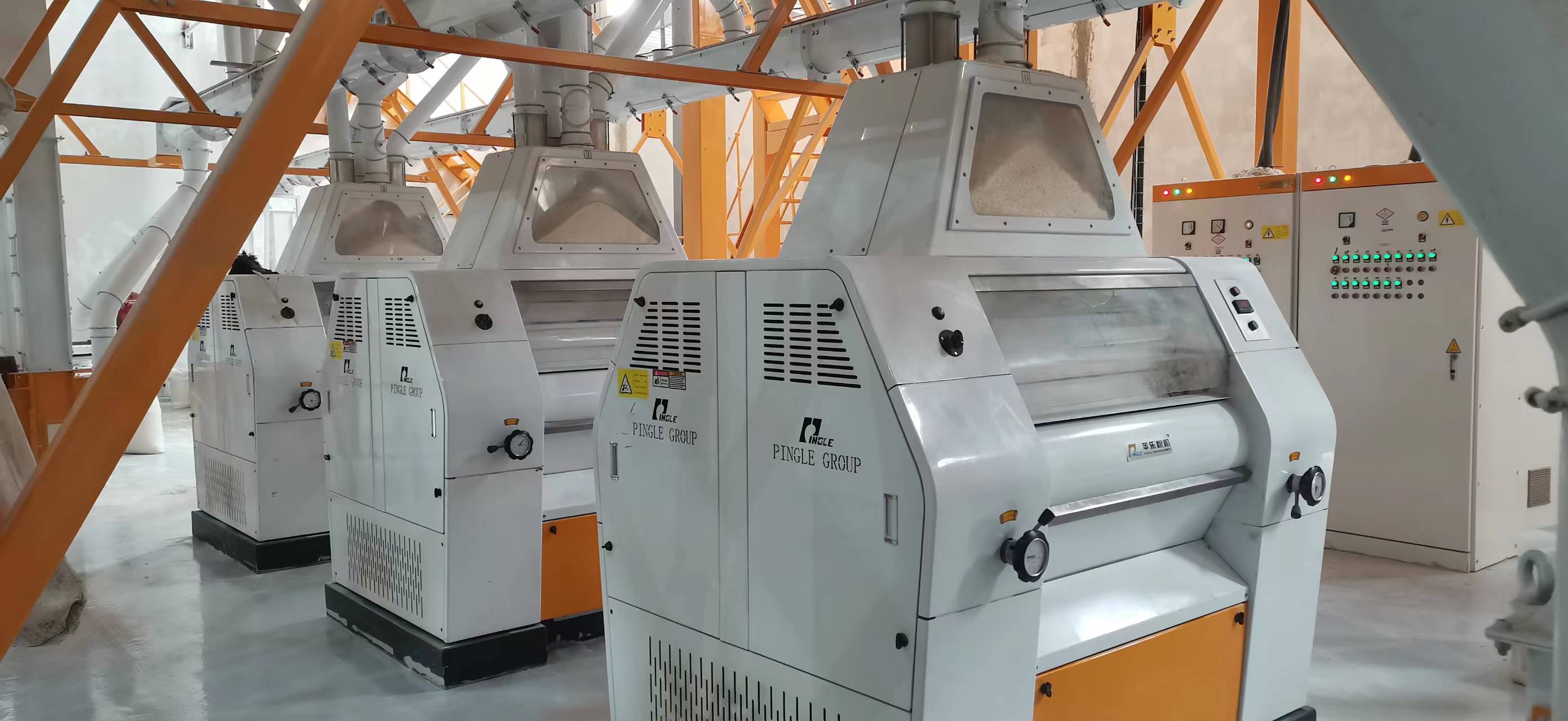
Many mill operators treat sifting as a formality, something that happens after grinding without much thought. But overlooking the fine balance of mesh tension and screen wear can quietly undermine the entire operation. A screen with even a tiny tear lets oversized particles slip through, while a clogged screen forces good flour back into the regrind loop, wasting energy and heat-damaging the starch.
The real trouble shows up later: inconsistent particle size leads to unpredictable dough behavior, poor hydration, and customer complaints that are hard to trace. By the time you notice a drop in extraction or a sudden rise in bran specks, the damage has already spread across multiple production batches.
Instead of waiting for visible defects, check sifter screens at the start of every shift and replace them based on throughput hours, not just appearance. Keep a simple log of pressure differentials and tailings volume. This small routine costs almost nothing but prevents the kind of slow, expensive drift that separates a reliable mill from one that's always reacting to the last problem.
What Your Purifier Choice Really Costs You Over a Decade
Most people fixate on the sticker price and ignore the slow drip of ongoing expenses. A $200 unit might seem like a steal until you realize its filter replacements run $80 twice a year, while a $400 model with a washable pre-filter and a two-year HEPA cycle ends up cheaper by year three. Run the math over ten years and that budget pick can quietly drain an extra $600–$900 from your wallet, not to mention the higher energy draw if it lacks an auto mode or a DC motor.
Then there's the hidden cost of buying twice. Cheap purifiers often have weaker sealed frames, letting unfiltered air sneak past the filter edges. You think you're breathing clean air, but particle counts stay stubbornly high. So you upgrade sooner than planned, paying for two machines plus the frustration of a false sense of security. In contrast, a well-built unit with a simple, durable design tends to chug along for eight to ten years with nothing more than routine filter swaps.
Also factor in how the device fits your actual habits. A loud purifier on high will get switched off at night, reducing its usefulness to zero while still costing you money. A quiet model with a proper sleep mode earns its keep every single night. Over a decade, the real cost isn't just dollars out the door—it's the clean air hours you actually get. Choose a unit that runs efficiently, uses reasonably priced filters, and stays quiet enough to leave on, and your per-hour clean air cost drops dramatically even if the initial price is higher.
Why Automation Isn’t Just About Replacing Workers
The conversation around automation often gets stuck on headcount, but that misses the point. When a manufacturer installs robotic arms, the real shift isn't a simple swap of human for machine—it's a redefinition of what work means. Tasks that once demanded repetitive motion or constant vigilance now free people to focus on troubleshooting, process design, and customer-facing problem solving.
Consider a warehouse where autonomous carts handle the heavy lifting. The people who used to push those carts aren't sent home; they're trained to manage fleet software, analyze bottlenecks, and coordinate with suppliers. Their value moves from physical endurance to judgment and adaptability. Automation, in this sense, acts less like a replacement and more like a lever that changes where human attention is needed.
This shift also creates roles that never existed before. Someone has to maintain the sensors, interpret the data, and ensure the systems align with safety rules. The real story isn't about fewer workers—it's about different workers, often with better tools and more engaging responsibilities. Companies that grasp this tend to invest in upskilling rather than layoffs, and they usually see the payoff in both morale and output.
Material Selection: The Difference Between a 10-Year and 30-Year Machine
Every component in a machine carries a hidden expiration date, and the choice of materials decides whether that date arrives in a decade or three. A 10-year machine often leans on standard carbon steels and generic alloys that hold up fine under mild loads but begin to fatigue, corrode, or creep once real-world stress cycles take their toll. In contrast, a 30-year machine is built around materials selected for endurance: high-chromium stainless steels that shrug off moisture, heat-treated alloy steels with deeper case hardening for wear surfaces, and engineered polymers or bronze bushings where galling would otherwise shorten life. The upfront cost difference is real, but so is the downtime, replacement labor, and lost production when a cheaper material fails early.
The gap between a 10-year and 30-year service life often comes down to how materials behave at the margins. A shaft made from 1045 carbon steel might survive a decade in a dry, indoor environment, but place that same shaft in a humid or washdown setting and pitting corrosion starts within months. Switch to 316 stainless or a duplex alloy, add proper passivation, and that same shaft can run for thirty years without a whisper of rust. Likewise, a gear set cut from untreated 4140 will show measurable flank wear after a few million cycles, while a carburized and ground 8620 gear set—same geometry, different material spec—keeps its profile intact for three times as long. It’s not magic; it’s material science applied with intent.
Smart material selection also means matching the material to the failure mode you are actually trying to prevent. If a machine dies early from fatigue cracking, a higher-toughness alloy or a switch from cast iron to ductile iron can add decades. If abrasive wear is the killer, a hard-facing overlay or ceramic insert on the wear points costs a few hundred dollars up front but eliminates a recurring rebuild cycle. The difference between a 10-year and 30-year machine is rarely a single exotic material; it’s a series of deliberate choices at every bearing surface, every seal gland, every fastener, and every structural weldment. Those choices compound—either into a machine that quietly keeps running past its third decade, or into a machine that has already been replaced twice.
The One Question to Ask Every Equipment Supplier Before Signing
Before you sign anything, ask the supplier this: “What happens when this machine breaks down—not if, but when?” It sounds blunt, but that’s the point. Every piece of equipment fails eventually. A salesperson who dodges the question or feeds you a line about “zero failures in the field” is either lying or hasn’t been around long enough to see the truth. The way they answer tells you far more about their real service culture than any glossy brochure.
Push for specifics. Which technician covers your area? Do they stock common parts locally or will you wait three weeks for a shipment from overseas? What’s the average call-to-fix time on a Friday afternoon? If they can’t give you a straight answer, walk away. The best suppliers don’t flinch—they pull out a maintenance log and show you exactly how they handled the last breakdown for a customer similar to you. That’s the partner you want, not the one who promises perfection.
FAQ
Start with your expected daily output and the wheat varieties you will process. A machine that handles soft wheat beautifully may struggle with hard or high-moisture grain, so match roller length, sifter area, and tempering capacity to your raw material rather than just the advertised tonnage.
Not necessarily. Oversized motors can mask poor roll adjustment and increase energy bills without improving flour quality. Focus on roll speed differential, corrugation depth, and feeding consistency; these affect extraction and ash content more than raw horsepower.
Look beyond the number of machines. Check whether the line removes stones, magnetic metals, and light impurities before tempering. If the mill lacks a reliable destoner or a properly sized aspiration channel, downstream flour color and purity will suffer no matter how good the milling units are.
Tempering prepares wheat for smoother bran separation and better milling performance. Choose equipment with controlled moisture addition and enough resting bins for your throughput. If tempering time is too short or uneven, you will see poor bran cleanup and higher power consumption at the rolls.
It depends on the flour markets you serve. Gradual reduction systems give more flexibility for refined flour and consistent extraction, but they require more space, investment, and operator skill. A simpler short-flow mill can be profitable for whole meal or local flour if you accept a narrower product range.
Inspect roll bearings, sifter sieve tension, pneumatic piping, and wear on augers. Ask for running hours and maintenance records. If rolls have uneven wear or sifter frames are cracked, negotiate a lower price or plan for immediate replacement parts.
Think about material flow from intake to packing. Elevators and pneumatic lifts should have at least 20 percent extra capacity above peak milling rate, and the packing station needs its own buffer bins. Cramped layouts often force operators to slow the whole line just to keep bagging from backing up.
Conclusion
When building or upgrading a wheat flour mill, buyers often fixate on roller mill throughput and ignore how downstream steps quietly cap the line. A roller mill that outpaces your sifting capacity becomes an expensive parking spot. Sifting surface, screen tension, and cleaning cycles deserve the same scrutiny as roll corrugations; otherwise fine flour backs up and extraction drops. The purifier decision can be equally invisible: two machines may look comparable at purchase, but over ten years differences in screen wear, air balance, and ease of access compound into real operating cost. That slow drip matters more than the sticker price.
Automation should not be framed as labor removal. The real value is repeatability: consistent feed rates, roll gaps, and moisture response across shifts and operators. Equipment that runs the same at 2 a.m. as at noon protects quality better than any manual checklist. Material choice shapes that repeatability over decades. Chilled cast iron rolls and properly stress-relieved frames may cost more upfront but hold adjustment and geometry far longer than lighter alternatives. Before signing anything, ask every supplier one direct question: “Which specific mill of similar size and configuration can I visit that has run at least five years under conditions close to mine?” If they hesitate, walk away. The best guide is not a brochure but a working line.
Contact Us
Contact Person: Jiakuo Wu
Email: [email protected]
Tel/WhatsApp: +86-13011566087
Website: https://www.pinglemachine.com