

Best Heavy-Duty Conventional Lathe Manufacturer: Top Picks and Expert Advice
2026-05-16
When it comes to heavy-duty conventional lathes, the market is flooded with options, but only a handful truly deliver the rugged performance and precision that demanding workshops require. Whether you're turning large shafts or tackling tough materials, choosing the right manufacturer can make or break your productivity. That's where WINNRUI CNC stands out—a name synonymous with robust engineering and no-nonsense reliability. In this guide, we'll cut through the noise, sharing top picks and insider advice to help you find a lathe that won't let you down when the chips are flying.
What Sets a True Heavy-Duty Lathe Apart from the Rest
A genuine heavy-duty lathe isn’t just a bigger version of a standard machine. It starts from the ground up with a massively ribbed, stress-relieved bed that resists deflection even under extreme cutting forces. The headstock houses oversized spindle bearings, often in a three-point support configuration, to handle the immense radial and axial loads generated when peeling off heavy cuts in tough alloys. Gearboxes are built with hardened, ground gears and forced lubrication, not just splash, ensuring consistent torque delivery at low RPM without overheating. These fundamentals separate a machine that can hog out material day after day from one that merely wears the heavy-duty label.
Beyond sheer mass, advanced features quietly define the real workhorses. Look at the carriage and cross-slide: wide, hand-scraped bearing surfaces with automatic lubrication points combat stick-slip and maintain accuracy over decades. A true heavy-duty lathe offers a spindle bore that swallows large diameter bars, but also integrates a chuck with gravity-defying clamping force, often through a hydraulic or pneumatic actuator. Control systems matter too—variable speed drives with constant surface speed programming let the tool maintain optimal SFM as diameters change, while electronic leadscrew reversals eliminate the crash risk during threading retracts. These are the unglamorous details that keep a machine productive when the cuts get deep.
Finally, the hidden engineering in the foundation and tooling integration completes the picture. A true heavy-duty lathe demands a foundation that isolates vibration—often with the manufacturer specifying a reinforced concrete block with epoxy grouting to anchor the base. The turret or tool post isn’t an afterthought; it’s designed to clamp massive boring bars or turning tools with zero flex, sometimes using dedicated anti-vibration mechanisms. Coolant systems deliver high pressure and flood volume directly through the tool, not just from a spigot, to break chips and carry away heat. When you see a machine where every component, from the tailstock quill to the chip conveyor, is engineered without compromise, you know it’s built for serious work.
Manufacturers That Dominate the Heavy-Duty Landscape
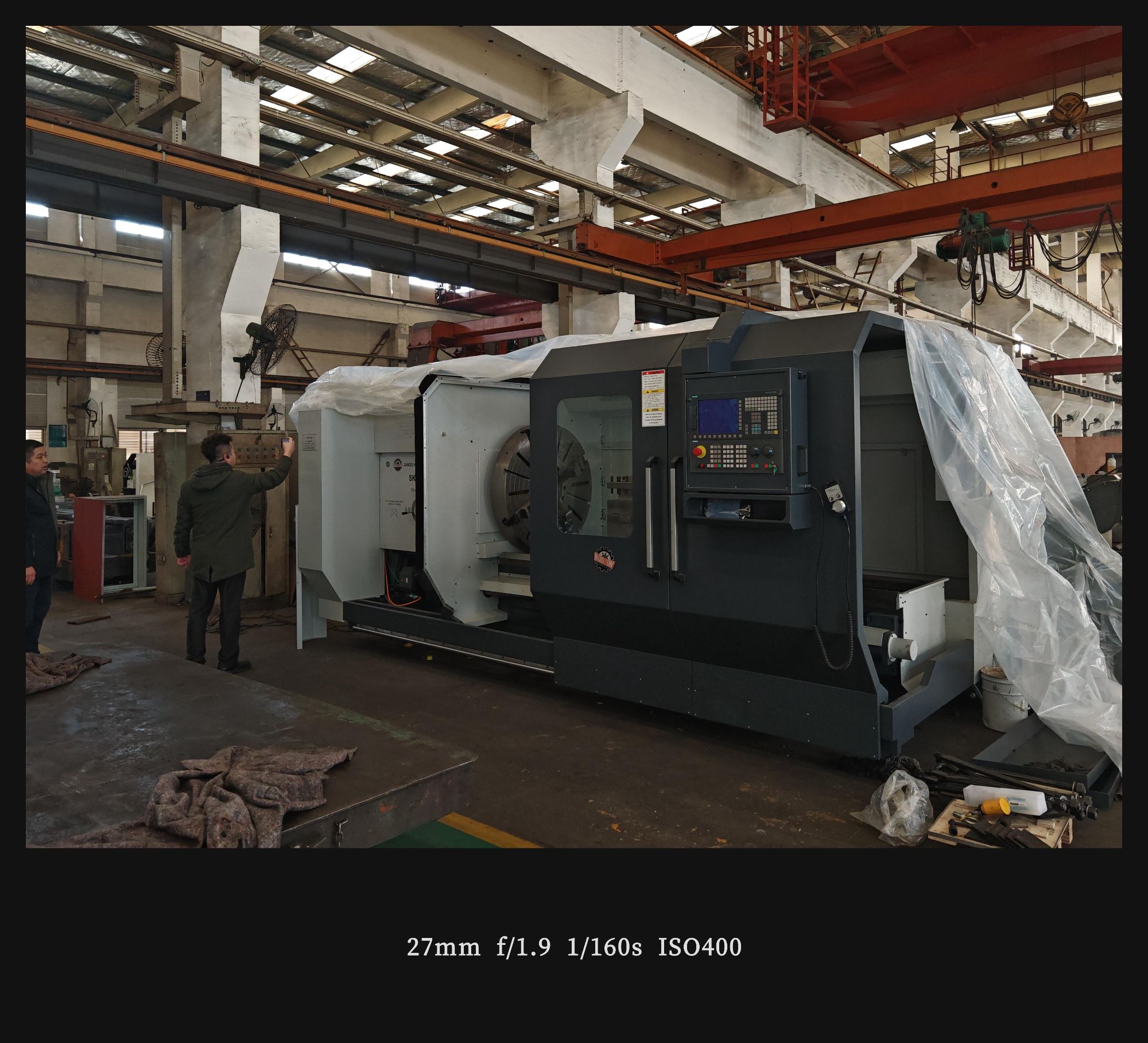
In the world of heavy machinery, a handful of names command immediate respect. Caterpillar’s yellow iron is practically synonymous with construction and mining, a testament to a century of engineering that prioritizes raw power and relentless durability. Yet the landscape isn’t a one-company show; Komatsu has carved out its own empire, especially in Asia and rapidly growing markets, by blending advanced electronics with brute force. These two titans often set the pace, but the dominance runs deeper, shaped by regional loyalties and specialized expertise.
European manufacturers like Volvo CE and Liebherr bring a distinctly different flavor to the heavy-duty table. Volvo leans hard into operator comfort and fuel efficiency, their machines often feeling more like high-tech cockpits than clunky equipment. Liebherr, still family-owned, takes immense pride in proprietary components—they build everything from the engine to the hydraulic cylinders in-house. This obsession with vertical integration gives them an edge in quality control and custom solutions for niche applications, such as massive crawler cranes or mining excavators that seem to dwarf everything around them.
Then there are the specialized juggernauts that own particular corners of the market. Hitachi and John Deere, through their long-standing joint ventures, have mastered the art of precision hydraulics and smooth control, making their excavators the go-to choice for contractors who spend long hours in the cab. Meanwhile, brands like SANY and XCMG are ascending fast, leveraging sheer manufacturing scale and aggressive pricing to disrupt established hierarchies. Together, these manufacturers don’t just build machines; they shape how roads are carved, minerals are extracted, and cities rise—their engineering philosophies quietly steering the planet’s biggest jobs.
Decoding Build Quality: Materials and Craftsmanship That Last
When you pick up an object—be it a leather bag, a kitchen knife, or a piece of furniture—the first thing that speaks to you is its physical substance. It isn't merely about looking nice on a shelf. The raw ingredients set the baseline for how long an item can shrug off daily use. Full-grain leather, for instance, develops a patina instead of peeling apart. High-carbon steel holds an edge that cheaper alloys lose after a few cuts. Solid wood, with its interlocking grain, laughs off stresses that would splinter veneered particleboard. These choices aren't always obvious at the point of sale, but they become painfully clear years down the line. A product built from honest materials doesn't just survive; it gets better with age, telling a story through every scratch and softened edge.
Materials alone, though, can't carry the weight of longevity. The way parts are joined, surfaces finished, and stress points reinforced makes the difference between a cherished heirloom and a forgotten disposable. Consider a simple chair. Mass-produced versions might rely on glue and staples, but a craftsman cuts mortise and tenon joints that actually tighten as the wood moves with humidity. Stitching on a well-made jacket isn't just straight; it's reinforced at pockets and elbows where tension concentrates. Even subtle details, like how a ceramicist sands the foot ring of a mug to prevent scratching your table, reveal an almost obsessive consideration for the user's real life. This isn't about perfection for perfection's sake—it's about foreseeing failure points and painstakingly neutralizing them before the item ever leaves the workshop.
The true test of build quality is time. It's easy to be swayed by a shiny surface or a smooth zipper on day one, but the real evaluation happens after hundreds of openings, washings, or weight-bearing cycles. When material and craftsmanship align, a product doesn't just endure; it adapts. Wood settles into its environment, leather molds to your grip, and moving parts wear into each other until operation feels frictionless. That's the elusive quality that mass production struggles to replicate: the sense that an object is quietly learning to serve you better. It's why a properly forged chef's knife still feels balanced after twenty years, or why a hand-thrown ceramic bowl becomes the one you instinctively reach for every morning. The mark of true quality isn't an untouched appearance—it's a deep, quiet dependability that whispers rather than shouts.
Smart Buying Strategies from Seasoned Machinists
Seasoned machinists know that the best deals often come from word-of-mouth and auctions, not just online listings. They recommend visiting shops that are upgrading or closing down, where you can inspect machinery in person and sometimes negotiate directly with owners who value a quick, clean sale over top dollar. Building relationships with local dealers and fellow machinists can give you early access to equipment before it hits the broader market.
Another hard-won insight is to look beyond cosmetic condition. A machine covered in grime but with tight ways and smooth spindle bearings can be a diamond in the rough. Bring a dial indicator and test critical alignments; seasoned buyers often carry a small kit for quick checks. They also stress the importance of checking for signs of crash damage—things that aren't always obvious from photos alone.
When it comes time to negotiate, experienced machinists emphasize the power of cash and the willingness to walk away. They avoid anchoring on the asking price and instead start with what the machine is worth to them, factoring in tooling, transport, and any needed repairs. Often, leaving a reasonable offer on the table and giving the seller time to think can yield surprising discounts, especially if the machine has been sitting for a while.
Beyond the Spec Sheet: Real-World Performance Factors
Spec sheets love to flaunt core counts and clock speeds, but they rarely tell you how a chip behaves after an hour of sustained load. Thermal throttling can slash that impressive peak performance by double-digit percentages, especially in slim laptops or compact desktops with marginal cooling. It’s not just about the silicon—it’s about whether the system can actually keep it fed and cool when you’re deep into a render or a gaming marathon.
Memory configuration is another silent performance lever that specs often gloss over. Running dual-channel RAM instead of a single stick can deliver noticeably smoother frame times and faster data access, yet this isn’t something you’ll see on a CPU or GPU box. Storage also matters more than many realize—a system stuck with a slow QLC SSD and a nearly full capacity can feel sluggish even if the processor itself is technically capable.
Then there’s the software layer. Driver maturity, firmware updates, and OS background tasks can all make a high-end part perform worse than its nominal numbers imply. Real-world workloads are messy: they don’t run in isolation like benchmarks do. Anti-cheat software, streaming tools, or even a poorly optimized peripheral driver can quietly eat into responsiveness. When you peel back the spec sheet, you find that everyday performance is as much about the ecosystem as it is about the hardware on paper.
Keeping Your Workhorse Running Smoothly for Decades
Many machines built decades ago still perform as reliably as the day they were first powered on. The secret behind such longevity rarely lies in a single breakthrough, but in a quiet rhythm of consistent care—simple habits repeated until they fade into instinct. Checking fluid levels before startup, listening for subtle changes in pitch or vibration, and refusing to ignore the smallest leak can stretch a workhorse's useful life far beyond the predictions on a spec sheet. It’s not about being meticulous; it’s about treating the equipment like a familiar voice that tells you when something is off.
Beyond daily rituals, longevity depends on anticipating failure before it interrupts a shift. That often means replacing a belt that still looks usable, swapping out a bearing that hasn’t yet failed but has logged enough hours to become a risk. The calendar becomes as important as the ear or eye—not because schedules demand it, but because proactive part swaps eliminate the guesswork from midnight breakdowns. Over time, this mindset turns an ordinary machine into a trusted companion that outlasts entire product generations.
Operators and maintenance crews who stick with the same equipment for years develop an almost intuitive sense of its personality: how it responds to cold mornings, which loads make it labor harder, and when a subtle change means a deeper issue is brewing. That intimacy can’t be taught in a manual; it grows from thousands of hours in the same seat or on the same floor. Pair that human connection with unglamorous but regular cleaning—removing buildup from fins, greasing points most people forget, and keeping electrical contacts free of corrosion—and you have a recipe that no software update or fancy monitoring system can replicate. It’s old‑fashioned, unflashy, and still unbeaten for keeping a workhorse alive decade after decade.
FAQ
A heavy-duty conventional lathe is built with a robust bed, powerful motor, and high torque to handle large workpieces and tough materials. It’s commonly found in industries like shipbuilding, mining equipment repair, and large-scale metal fabrication where CNC machines might be overkill or impractical.
Several names stand out: Giddings & Lewis and Lodge & Shipley from the U.S., TOS from the Czech Republic, and Weiler from Germany. In Asia, brands like Romi (Brazil) and Jinan First Machine Tool (China) have strong reputations for durable, no-frills machines.
Focus on swing over bed, distance between centers, spindle bore size, and motor horsepower. Also check the bed’s construction (cast iron is ideal), the tailstock’s stability, and whether the controls feel intuitive. After-sales support from the manufacturer or local distributor is just as critical as the machine specs.
Absolutely. For one-off repairs, manual contour turning, or when power supply is unstable, conventional lathes shine. Skilled operators can often complete jobs faster on a manual machine without programming delays. They’re also far easier to maintain in remote locations.
Underestimating weight and foundation requirements. These machines can weigh several tons and need a solid, level concrete base. Skipping this step leads to vibration, reduced accuracy, and premature wear. Always plan for rigging and installation costs upfront.
Look at bed ways—hardened and ground ones hold up best. Check the headstock spindle runout with a dial indicator; it should be negligible. Ask about warranty coverage on the gearbox and carriage. If possible, visit existing users to see how the machine performs after years of heavy use.
Keep lubrication points clean and regularly topped up with the right oil. Don’t skip the break-in procedure for new machines—run at reduced speeds initially. Train operators to avoid sudden, heavy cuts that can strain the gear train.
Depending on size and origin, expect to pay anywhere from $20,000 for a basic 16-inch model to over $100,000 for a 40-inch+ machine with high-end features. Used machines from reputable makers can be a smart choice if carefully inspected.
Conclusion
Selecting the best heavy-duty conventional lathe manufacturer isn't just about picking a popular brand—it's about understanding what truly sets a workhorse machine apart. A genuine heavy-duty lathe goes beyond sheer size and weight; it's defined by a massive, stress-relieved cast iron bed, wide guideways, and a robust headstock with precision bearings that can handle high torque at low RPMs without chatter. Manufacturers that dominate this landscape, such as Nardini, Romi, and TOS, have built their reputations over decades by using superior materials and old-world craftsmanship—hand-scraped mating surfaces, hardened and ground gears, and meticulous assembly that ensure the machine maintains accuracy even under the most punishing cuts. Decoding build quality means looking for these details: a thick, heavily ribbed bed, a spindle supported by multiple precision bearings, and a gearbox designed for continuous duty, not just intermittent use. Seasoned machinists know that the smartest buying strategy involves evaluating the lathe's real-world performance rather than just specifications on a sheet—you need to see how it handles interrupted cuts, check for vibration dampening, and assess the ergonomics of the controls. It's also wise to inspect the tailstock alignment and quill lock under load, because even a top-tier manufacturer can have minor inconsistencies.
Beyond the spec sheet, real-world performance factors like thermal stability after hours of operation, the availability of spare parts, and the support network are often what make or break a long-term investment. A machine that runs true all day without constant adjustment is worth its weight. Finally, keeping your workhorse running smoothly for decades requires a proactive maintenance routine that goes beyond simple oiling—regularly cleaning coolant lines, checking and adjusting gibs, and periodically inspecting belt tension and electrical connections. Training operators to listen for unusual sounds and feel for subtle changes in feed engagement can catch issues before they become catastrophic failures. In the end, the best heavy-duty conventional lathe is one from a manufacturer that still prioritizes these traditional values while providing modern support, ensuring that your investment not only cuts steel effortlessly today but continues to do so for generations.
Contact Us
Contact Person: Tim
Email: [email protected]
Tel/WhatsApp: +86 15522553731
Website: https://www.winnrui-cnc.com/