

Best Waste Shredder: Top Picks for Efficient Recycling and Waste Management
2026-05-15
In a world increasingly focused on sustainability, efficient recycling and waste management are no longer optional—they're essential. But tackling mountains of waste requires the right tools, and that's where a reliable shredder becomes a game-changer. Whether you're dealing with cardboard, plastics, or sensitive documents, a top-tier waste shredder can dramatically reduce volume, simplify handling, and even open doors to new recycling opportunities. Today, we're cutting through the clutter to bring you the best picks on the market, with a special spotlight on Shengzhong Shredder for its game-changing performance. Ready to rethink waste? Let's dive in.
What to Look for When Choosing a Waste Shredder
The material you plan to shred dictates the entire setup. Don't just glance at the machine's overall capacity—dig into what it can actually handle. Some units chew through cardboard and paper with ease but choke on plastics or textiles. If your waste stream includes tougher items like small metal offcuts or dense rubber, you need a shredder with hardened steel cutters and a more robust drivetrain. Overlooking this match can lead to frequent jams, rapid blade wear, and costly downtime. Ask for a detailed material compatibility list from the supplier, and if possible, test with your own mix of waste before committing.
Throughput numbers on a spec sheet can be deceptive if you don't consider how the machine performs over an hour, not just in ideal bursts. A shredder rated for 500 kg/h might drop to half that when dealing with wet or irregularly shaped materials. Look at the motor's duty cycle and the cooling design—continuous heavy use demands robust thermal management. Also, pay attention to the feed opening: an oddly shaped opening can force you to pre-cut bulky waste, adding labor steps. The best choice is often a shredder whose real-world throughput, confirmed by references or demos, aligns with your peak waste generation rate without pushing the motor into overload.
Maintenance should never be an afterthought. A cleverly designed shredder allows quick access to cutting chambers and screens without needing special tools or a technician for every clearing. Check how easily you can reverse the machine to unjam it, or swap out worn cutters. Components like sealed bearings that keep grit out, and reversible cutters that can be used on multiple edges before replacement, significantly extend the shredder's life. Also, listen to what the machine sounds like during operation—excessive noise or vibration over time can point to a weak frame or poor build quality that will only get worse.
Comparing Different Types of Waste Shredders
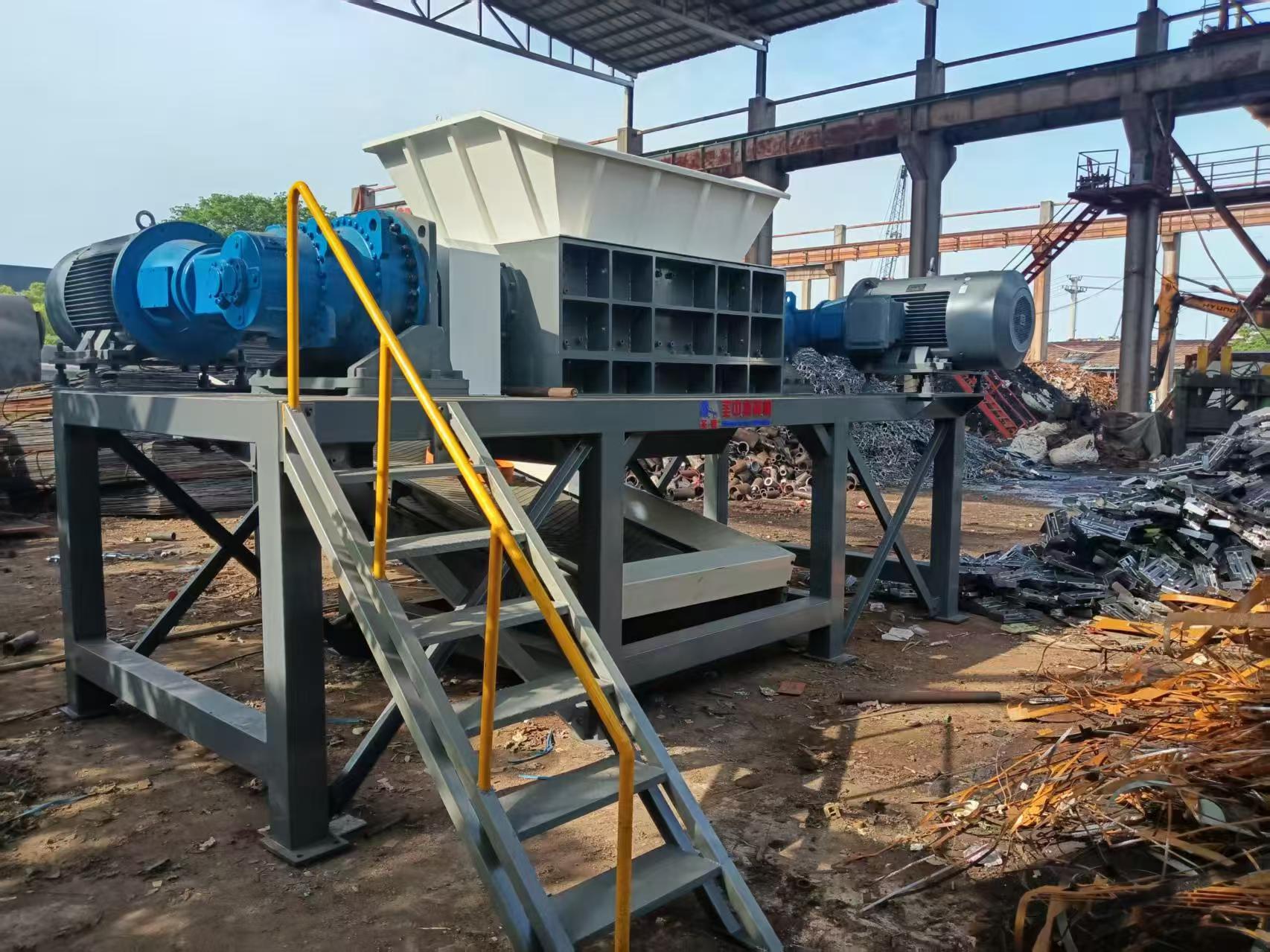
Walking through a recycling facility or a waste management plant, you’ll quickly notice that not all shredders eat the same diet. Single-shaft machines, with their hydraulic rams pushing material against a single rotor, are the quiet workhorses for plastics, wood, and light packaging. Twin-shaft shredders, on the other hand, use two counter-rotating cutters to tear apart bulky, stubborn items like tires, metal drums, and electronic scrap without jamming. Then you have hammer mills, which pulverize rather than cut — they’re perfect for glass and organic waste but will throw a tantrum if you feed them something too tough.
Performance differences really start to show when you look at output consistency and energy use. Single-shaft units typically deliver a uniform particle size, which is why they dominate plastic recycling lines where regrind quality matters. Twin-shaft shredders are less about precision and more about sheer breaking force, often leaving a chunkier result that needs secondary processing. Hammer mills sit somewhere in between: they can produce fine granules quickly, but the hammers wear down faster and the machines run loud. A plant manager might lean toward twin-shaft for mixed construction debris simply because it can take the abuse, while a plastic reprocessor sticks with single-shaft to avoid fines and contamination.
The choice really boils down to what’s passing through the hopper and how you want it to look afterwards. If you deal with long, stringy materials — think carpet or agricultural film — a single-shaft with a well-designed screen often beats the alternatives. For solid, high-density waste like metal castings or white goods, the torque of a twin-shaft is unbeatable. And when volume reduction is the only goal, a hammer mill’s speed can’t be ignored, even if you’ll be swapping out wear parts more often. Smart operators often pair different shredder types in the same line, using a twin-shaft primary to reduce size and a single-shaft secondary to homogenize the material, blending their strengths to cut costs and downtime.
How a Waste Shredder Improves Recycling Efficiency
Breaking down bulky materials into smaller, uniform pieces is one of the most immediate ways a shredder transforms recycling workflows. When items like plastic containers, metal scraps, or wood pallets are reduced in size, they occupy less space in collection bins and transport vehicles. This compaction means fewer trips to processing centers and lower fuel consumption, directly cutting operational costs and emissions. More importantly, shredded material flows more freely through sorting machinery, reducing jams and downtime. The consistent particle size also allows optical sorters and magnets to identify and separate materials with higher precision, because there are fewer overlapping or tangled items that confuse sensors.
Shredding also unlocks value from complex or contaminated waste streams that would otherwise be discarded. For instance, electronic waste often contains a mix of plastics, metals, and circuit boards firmly attached together. By shredding these devices, recyclers can liberate the individual components, making it economically viable to recover precious metals like gold and copper using downstream separation techniques. Similarly, in plastic recycling, shredding film or rigid containers into flakes increases the surface area for washing systems to remove labels, adhesives, and food residue. Cleaner flakes lead to higher-quality recycled pellets that can be sold at a premium to manufacturers, closing the loop more effectively.
A less obvious but equally critical benefit is the reduction of manual labor and workplace hazards. Handling whole appliances or construction debris exposes workers to sharp edges, heavy lifting, and hazardous substances. Feeding these items into a shredder eliminates many of these risks by mechanizing the initial breakdown. Workers can supervise the process from a safe distance, and the shredded output is easier to handle, sort, and bale automatically. This shift not only boosts overall efficiency but also creates a safer, more attractive work environment, which helps recycling facilities retain skilled employees in an industry often plagued by high turnover.
Top Features for Optimal Waste Management
Gone are the days when a simple dumpster check was enough. Modern waste solutions are built around smart sensors that live inside containers, quietly tracking fill levels, temperature, and even tilt. This constant stream of data lets collection teams skip half-empty bins and focus only on those that actually need attention, turning a rigid schedule into a dynamic, demand-driven service that saves time and fuel.
Another leap forward is how these tools handle sorting. Instead of relying on manual guesswork, high-speed cameras and learning algorithms identify and separate materials the moment they hit the line. The result is a cleaner recycling stream, less contamination, and a process that practically runs itself—shifting the focus from tedious separation to valuable resource recovery.
Beyond the hardware, what really sets top-tier systems apart is the intelligence layer. Real-time dashboards show exactly how waste flows through a facility, spotting trends and red flags before they become problems. Teams can generate compliance-ready reports without hunting through paper records, and granular data makes it easy to set realistic reduction targets that can be tracked week by week, not just wished for.
Practical Tips for Using Your Shredder Safely
When using a shredder, always pay attention to its capacity. Forcing too many sheets at once can cause jams or even damage the motor. If you’re dealing with thicker materials like cardstock or envelopes, feed them one at a time to keep things running smoothly. It’s also a good habit to remove staples and paper clips beforehand unless your shredder specifically handles them—this simple step prevents unnecessary wear on the blades.
Keep your shredder in a spot where the power cord doesn’t become a tripping hazard, and make sure the bin is emptied regularly. An overfilled basket can push shredded pieces back up into the cutting head, which often leads to frustrating blockages. For an extra layer of safety, consider unplugging the machine when it’s not in use, especially if you have curious kids or pets around. A little awareness goes a long way in preventing accidental starts.
Never try to clear a jam with your fingers, even if the shredder is off and unplugged. The cutting cylinders can still be sharp, and there’s always a risk of residual tension releasing suddenly. Use a pair of tongs or the reverse function to back the stuck material out. Also, lubricating your shredder periodically—most models work well with a few drops of official shredder oil on a sheet of paper—keeps the mechanism from dragging and reduces the chance of overheating during longer shredding sessions.
Maintaining Your Shredder for Long-Lasting Performance
Regular maintenance isn't just about keeping your shredder running smoothly—it's the secret to avoiding those frustrating jams and unexpected breakdowns. Start by making it a habit to oil the cutting blades every few weeks if you use the machine daily. A few drops of shredder oil across a sheet of paper fed through the unit can dramatically reduce friction and wear, extending the life of the cutting mechanism far beyond what the manual might suggest.
Don't overlook the simple stuff: emptying the bin before it overflows prevents bits of paper from getting caught in the blades and causing a mess. Also, take a moment to wipe down the sensors and around the auto-start slot with a dry cloth now and then. Dust buildup can confuse the machine, making it run when it shouldn't—or not run at all. These tiny habits add up, meaning fewer calls for repairs and more years of reliable service from a machine that often gets pushed to its limits.
FAQ
A machine that can handle a variety of materials—plastics, wood, metal, even e-waste—without jamming is crucial. Look for high torque, low-speed motors that reduce noise and dust, and easily replaceable blades. Efficiency also comes from features like auto-reverse to clear blockages and a size that fits your operation.
Single-shaft units are great for uniform materials like plastics and produce consistent particle sizes. Dual-shaft shredders tackle mixed, bulky waste—think furniture or tires—and are more forgiving with contaminants. Granulators are your go-to for fine grinding after initial shredding, perfect for recycling lines needing small, uniform flakes.
Emergency stop buttons within easy reach, safety interlocks on hoppers and access doors, and automatic shutoff when sensors detect umopened panels are non-negotiable. Advanced models include load monitoring to prevent motor burnout and infeed systems that keep hands away from blades.
No, residential shredders are built for light use like paper and credit cards. Industrial ones chew through construction debris, metal drums, and electronic waste. If you’re managing a business or community recycling program, even a small industrial shredder will outperform and outlast consumer models.
Regular blade inspections are key—dull blades strain the motor and reduce efficiency. Clean out residue from the cutting chamber daily, lubricate bearings per the manual, and check belt tension monthly. Keeping a spare set of blades and a maintenance log prevents unexpected downtime.
It’s about control and durability. High torque at low rpm chews through tough materials without shock-loading the drivetrain, which extends component life. This design cuts down on dust and noise, making it safer for workers, and still rips apart metals and thick plastics without overheating.
A larger opening lets you dump bulky items like buckets or pipes directly without pre-cutting. But if the feed is too wide for the cutting chamber, material can slip past the blades. Match the opening to your typical waste size—ergonomic side-feeding chutes can also improve workflow for long materials.
Look beyond the price tag: power consumption per ton of waste processed adds up, blade replacement frequency varies by model, and installation might need special electrical work. Also check if the manufacturer offers responsive technical support and parts availability—downtime often costs more than the machine itself.
Conclusion
Finding a waste shredder that truly elevates your recycling game means looking beyond motor power and price tags. The best models adapt to your workflow—whether you’re handling cardboard, plastics, or confidential documents—with cutting mechanisms that throttle noise without sacrificing torque. Durability counts, but so does the ease of clearing jams; a reversible blade or auto-reverse feature saves hours of frustration. When you compare single-shaft, dual-shaft, and high-speed rotary designs, the sweet spot often lies in a machine that balances throughput with particle size consistency, ensuring downstream sorting equipment can work unhindered. Modern shredders now embed smart sensors that adjust speed based on material density, slashing energy use and raising throughput, while sealed bearings and wear-resistant cutters keep maintenance intervals comfortably long.
Efficiency extends beyond the mechanics: how you feed and maintain the shredder reshapes its lifespan and your safety record. Always pre-sort waste to remove metals or hard contaminants that dull blades, and never bypass the safety interlocks even during a rush. A disciplined oiling schedule—especially for cross-cut and micro-cut heads—prevents friction heat that warps cutters, while periodic bolt tightening on dual-shaft systems keeps the gap tolerances precise. For teams handling heavy volumes, look for models with external dust extraction ports; they preserve air quality and cut fire risks. Pairing these habits with the right shredder transforms a noisy chore into a seamless part of waste management, shrinking landfill trips and unlocking cleaner bales for recyclers, ultimately paying back its footprint in both operational savings and environmental impact.
Contact Us
Contact Person: Leon
Email: [email protected]
Tel/WhatsApp: 8615385558866
Website: https://www.shred-waste.com