

Custom Roll Up Doors: Streamlining Access and Security for Your Business
2026-07-05
Every business faces the same challenge: balancing easy access with robust security. Standard doors often fall short, forcing compromises. But what if your entrance could be a seamless extension of your operation—fast, durable, and tailored to your exact needs? NORTON custom roll up doors are redefining that balance, offering solutions that work as hard as you do. In this post, we’ll explore how these doors streamline daily workflows while fortifying your premises.
Tailoring Security: Unique Roll-Up Doors for Every Business Layout
No two businesses are exactly alike, and their security needs shouldn't be either. That's why our roll-up doors are built around your unique floor plan, whether you run a narrow city bodega, a sprawling warehouse with irregular loading bays, or a storefront tucked into a historic building. We skip the one-size-fits-all approach and instead craft each door to match your exact opening dimensions, traffic patterns, and risk points—so you get protection that feels like it was always part of the building.
Beyond just fitting the space, we consider how your team moves through it every day. A bakery needs a door that opens quickly for early-morning deliveries but seals tight against cold drafts; a self-storage facility might need individual units with keyed-alike access for employees. We can integrate personnel doors within the rolling curtain, add windows for natural light, or even powder-coat the finish to complement your brand colors. It’s not just a barrier—it’s a tailored tool that works around your operations, not the other way around.
The real strength of customization shows over time. Instead of forcing a generic product into an awkward fit and dealing with leaks, jamming, or excess wear, you get a door engineered to glide smoothly in its specific environment. That means fewer service calls, a cleaner look, and the quiet confidence that your business is protected by something designed just for it. When security feels seamless, you can focus on what you do best—running your business.
Beyond Basic Access: How Custom Mechanisms Streamline Traffic Flow
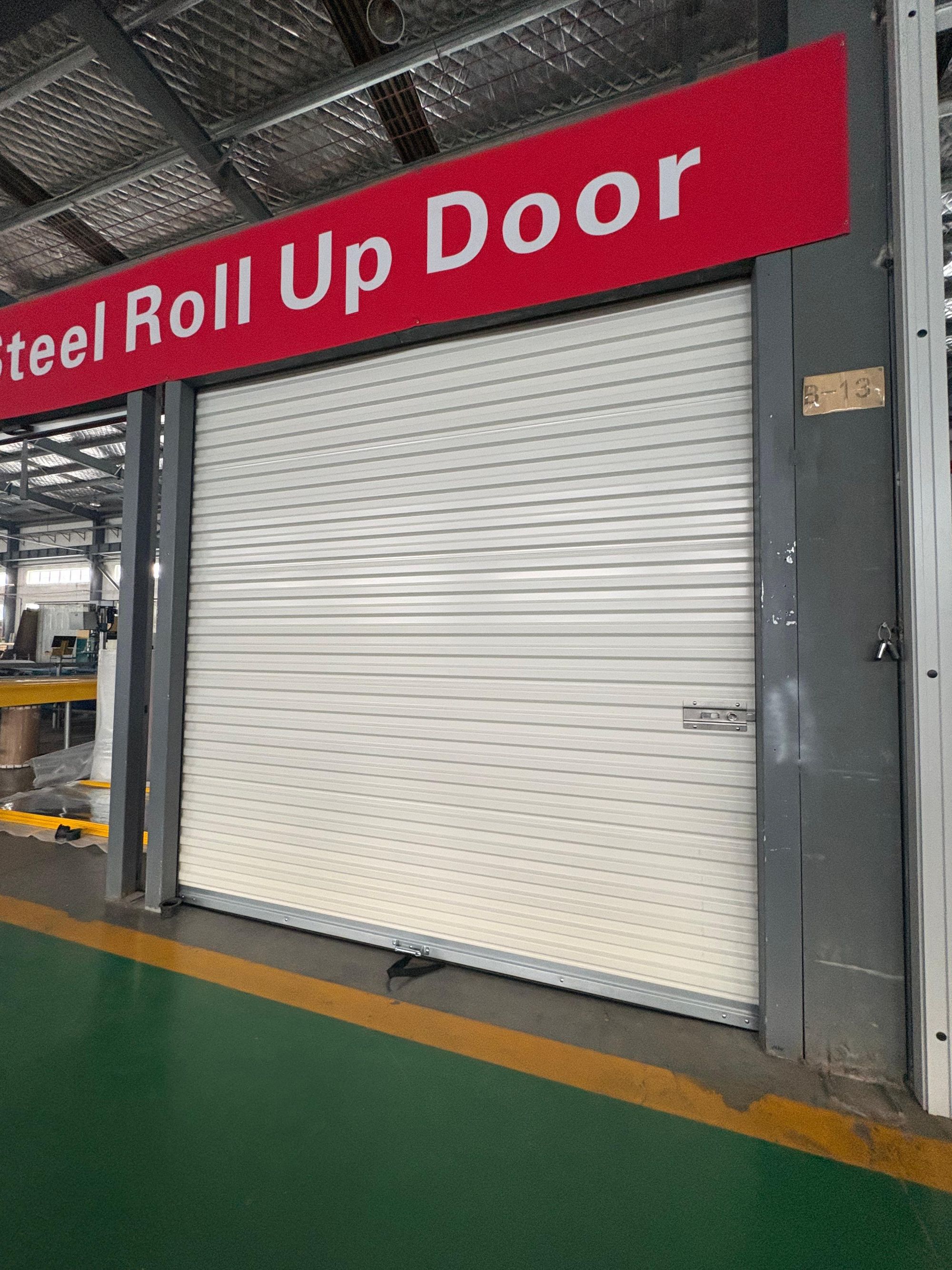
Standard access controls do a decent job of managing who gets in, but they often stumble when faced with fluctuating demand or complex environments. A one-size-fits-all approach can lead to bottlenecks during peak hours, wasted resources during quiet periods, or frustrating delays when exceptions inevitably arise. The underlying issue is that rigid rules lack the flexibility to adapt to real-world usage patterns, leaving both users and operators dissatisfied.
Custom mechanisms step in to bridge this gap by introducing intelligent, context-aware logic. Instead of simply opening or closing a gate, these systems consider factors like time of day, user roles, historical patterns, and live occupancy data. For example, a building might automatically widen entry windows for pre-registered visitors during morning rush while tightening them for unannounced guests. This not only speeds up throughput but also reduces the burden on security staff, creating a smoother experience for everyone involved.
The real payoff comes from continuous refinement. Custom setups can learn from traffic data and tweak their own parameters, such as dynamic queue routing or adaptive permission tiers. A parking structure might shift lane priorities based on arrival rates, or a corporate campus could grant temporary elevated access during an emergency. By moving beyond static gates and embracing tailored automation, organizations unlock a level of flow efficiency that generic solutions simply cannot match.
Weather-Proofing and Insulation: Year-Round Protection and Savings
A well-insulated home acts like a thermal envelope, keeping indoor temperatures stable regardless of outdoor extremes. By sealing gaps around windows, doors, and attic hatches, you prevent drafts that force heating and cooling systems to work overtime. Simple upgrades like weather stripping and door sweeps are cost-effective first steps, while adding insulation to attics and walls delivers deeper, long-term savings. This integration of air sealing and insulation works silently behind the scenes to slash energy bills and boost comfort in every season.
Beyond basic insulation, consider the role of vapor barriers and proper ventilation in managing moisture. In colder months, warm indoor air meeting a cold surface can cause condensation, leading to mold and structural damage over time. A continuous air barrier paired with controlled ventilation—such as balanced mechanical systems—protects your building envelope without sacrificing fresh air. This layered approach not only extends the life of your insulation but also contributes to a healthier indoor environment year-round.
The financial payoff of weather-proofing extends well beyond monthly utility savings. By reducing the overall energy demand of your home, you decrease wear and tear on HVAC equipment, potentially delaying expensive replacements. Many utility companies also offer rebates for insulation upgrades, making the initial investment even more attractive. Perhaps the most underrated benefit is the boost in property value—homes with documented energy improvements often command higher resale prices, turning a practical upgrade into a smart long-term investment.
Unseen Strength: Reinforced Materials for High-Risk Environments
When we picture strength, towering steel beams and thick concrete walls usually come to mind. But the toughest materials are often the ones we never see—hidden inside protective gear, woven into bridge decks, or layered beneath spacecraft hulls. These reinforced composites carry immense loads, resist brutal impacts, and endure thermonuclear-level heat without ever making headlines. They thrive in the background, quietly preventing catastrophe in mineshafts, deep-sea rigs, and nuclear containment zones.
Their secret lies in a deliberate mismatch of components—fibers strained to near-breaking point embedded in a more flexible matrix. Cracks hit the hard bits and get lost in a maze of interfaces, while the matrix absorbs shock and keeps the whole system intact. It’s a classic engineering paradox: make it weaker in one direction so it can be stronger in another. Add exotic fillers like silicon carbide whiskers, and suddenly a lightweight polymer starts behaving like a metal under stress, deflecting blows that would shatter monolithic plates.
What truly sets these materials apart is their refusal to fail all at once. A traditional slab snaps with a clean, catastrophic break. A reinforced one, on the other hand, creaks and groans and splinters incrementally—buying precious minutes for evacuation or emergency shutdown. That built-in warning system is priceless in blast walls, aircraft fuselages, and anywhere a sudden collapse would be unforgivable. It’s not about being unbreakable; it’s about being trustworthy when everything else is falling apart.
From Concept to Installation: A No-Nonsense Process Overview
Every project starts with a conversation most people skip—the one where we figure out what you actually need, not just what you think you want. We map out the real-world constraints early: space, budget, timeline, and the things that tend to get overlooked until they become expensive surprises. No glossy presentations, no chasing trends; just a clear scope that everyone can stand behind before a single dollar is spent.
From there, it’s a straight line through engineering and fabrication. We don’t hide behind jargon or endless revisions. Drawings are detailed enough to build from, and we sweat the small stuff—tolerances, material lead times, how it’ll be moved into place—long before it becomes somebody else’s problem. If something needs adjusting, we say so early and sort it without fanfare.
Installation is where the spreadsheet meets the real world, and we stay on site until it’s right, not just until the paperwork says we can leave. Our crew works clean, communicates without the runaround, and leaves you with a system that’s been tested under load, not just on paper. We hand over the keys, walk you through it, and only call it done when you’re comfortable taking over.
Maintenance Savvy: Keeping Your Doors in Peak Condition Quietly
A door that glides without a whisper or closes with a solid, muffled thump isn’t just satisfying—it’s a sign of thoughtful care. The trick lies in catching tiny friction points before they become noisy grievances. Instead of waiting for a squeak, I run a fingertip along hinges every few months, feeling for grit or dryness. A thin smear of white lithium grease on pivot points, wiped clean of excess, keeps movement fluid without attracting dust. For sliding doors, I vacuum tracks with a crevice tool, then rub a candle stub along the rail—the wax film silences rollers far longer than sprays that evaporate.
Weatherstripping and seals are the unsung heroes of a serene door. When they stiffen or tear, you get drafts, rattles, and that annoying whistle on windy days. I check mine by closing the door on a strip of paper: if it pulls out without resistance, the seal isn’t doing its job. Replacing worn strips takes minutes, and I opt for dense foam or silicone over cheap felt—it cushions the close and blocks sound better. A little talcum powder rubbed into rubber seals also keeps them supple and stick-free through temperature swings.
Sometimes the quietest fix is about adjusting, not replacing. A door that drags or bangs can often be realigned with a quarter-turn of a screw on the hinge plate or strike. I keep a long level handy to check the frame; a slight sagging can misalign the latch, causing that jiggly metal clatter. Tightening hinge screws or shimming behind a loose jamb can make the latch catch with a satisfying, near-silent click. It’s these small, intentional nudges that keep a door working like new—no dramatic renovations required.
FAQ
Custom roll up doors are designed to match your exact opening dimensions, operational speed, and material preferences, eliminating awkward gaps or underperformance you might face with off-the-shelf models.
Absolutely. A well-specified door opens and closes quickly to keep traffic moving smoothly, while reinforced tracks, locking systems, and impact-resistant panels deter forced entry and protect assets around the clock.
Steel or aluminum options resist corrosion and dents, require minimal lubrication, and stand up to frequent use, significantly cutting down on repair calls compared to lighter, higher-maintenance materials.
Yes. Vision panels improve natural light and visibility, while insulated slats help regulate temperature and noise, all without compromising the door's speed, balance, or security rating.
Motors can be tailored to your usage frequency and power setup—direct-drive types offer quiet, rapid cycling for high-traffic loading bays, while chain-driven models provide durable, cost-effective lifting for standard warehouses.
Definitely. They can be engineered with fire-rated components, automatic closing upon alarm activation, and reinforced guides that withstand high wind pressures, ensuring compliance with local building codes.
Often it does. A door built for your specific conditions experiences fewer breakdowns, reduces energy loss through better sealing, and requires less frequent part replacements, leading to lower total cost of ownership.
Experienced installers pre-assemble brackets and adjust tracks to your unique opening, often completing the job in one day with minimal interference to your operation, and leaving you with a perfectly fitted, ready-to-use door.
Conclusion
Custom roll up doors do more than open and close—they adapt to the way your business actually works. Instead of settling for generic sizes that leave gaps or eat up ceiling space, you get a door crafted to your layout, whether it’s a compact loading dock, a curved entry, or a high-ceiling warehouse. Security starts with that precision fit, but it doesn’t stop there. The locking tracks, tamper-resistant fasteners, and optional alarm integration aren’t afterthoughts—they’re part of the design conversation from day one. When you pair that with custom drive systems, you also solve everyday movement headaches. A quiet high-cycle motor in a busy stockroom, a fast-acting model for refrigerated zones, or a low-headroom setup that tucks away tightly—these details smooth out traffic flow without anyone having to think about it. Add in insulated panels and weatherstripping that actually seals out drafts, rain, and dust, and you’re looking at lower energy bills, fewer product losses, and comfortable working conditions even when temperatures spike outside.
That same bespoke thinking goes into what you can’t see: the materials and reinforcements that hold the door together when the environment gets rough. Coastal salt air? Stainless steel guides and corrosion-resistant coatings keep things moving. Explosion-prone or high-wind zones? Heavy-gauge slats, reinforced bottom bars, and wind-lock mechanisms are engineered in, not tacked on. The process to get there is refreshingly direct—a site assessment pinpoints what you need, design happens in-house, fabrication follows proven steps, and installation is handled by crews who do this daily, so your downtime is minimal. Once it’s in place, staying on top of maintenance doesn’t have to be a disruption. A quick quarterly check of tracks, sensors, and balance, plus occasional lubrication of moving parts, keeps everything running smoothly. Many owners find a service agreement that includes these checks works quietly in the background, much like the door itself—there when you need it, invisible when you don’t, and never the reason your day slows down.
Contact Us
Contact Person: Cyril He
Email: [email protected]
Tel/WhatsApp: 8613969697307
Website: https://cqyqgd.en.alibaba.com/