

Custom Solar Ground Screw Manufacturing: Expert Solutions for Renewable Energy Projects
2026-01-31
In an era where renewable energy is reshaping how we power our world, solar farms are at the forefront of this green revolution. But beneath every panel lies a critical component—ground screws—ensuring stability, durability, and efficiency in diverse terrains. That's where Energet Solar steps in, offering expert custom solutions for renewable energy projects. From rugged landscapes to urban installations, discover how our innovative manufacturing techniques and tailored designs set the stage for sustainable success in solar energy.
Innovative Design Techniques for Durable Ground Screws in Solar Installations
In solar installations, durable ground screws are essential for ensuring long-term stability and reliability, especially under varying environmental conditions. Traditional methods often struggle with soil erosion and corrosion, but innovative designs now incorporate helical-shaped plates that distribute weight efficiently, reducing stress on individual components. These screws are made from high-strength steel with advanced corrosion-resistant coatings, such as hot-dip galvanizing or polymer finishes, which extend their lifespan even in harsh, wet environments. By integrating these features, the risk of failure is minimized, making solar arrays more resilient to extreme weather and ground shifts.
Another key technique involves the use of torque-controlled installation systems that ensure precise depth and alignment, enhancing load-bearing capacity without damaging the screw or surrounding soil. This approach not only speeds up the installation process but also improves overall system integrity by preventing over-tightening or under-tightening. Additionally, some designs include self-healing mechanisms, where minor damages to protective layers can recover over time, further boosting durability. These innovations help solar projects avoid costly maintenance and downtime, ensuring continuous energy production over decades.
Furthermore, modular and adaptable screw designs allow for customization based on site-specific factors like soil type and load requirements, offering a tailored solution that outperforms one-size-fits-all alternatives. This flexibility supports a wide range of solar applications, from small residential setups to large-scale commercial farms, all while maintaining high durability standards. By combining smart engineering with practical installation methods, these ground screws contribute significantly to the sustainability and efficiency of modern solar energy systems, making them a reliable choice for future-focused projects.
Tailored Solutions to Maximize Efficiency in Renewable Energy Projects
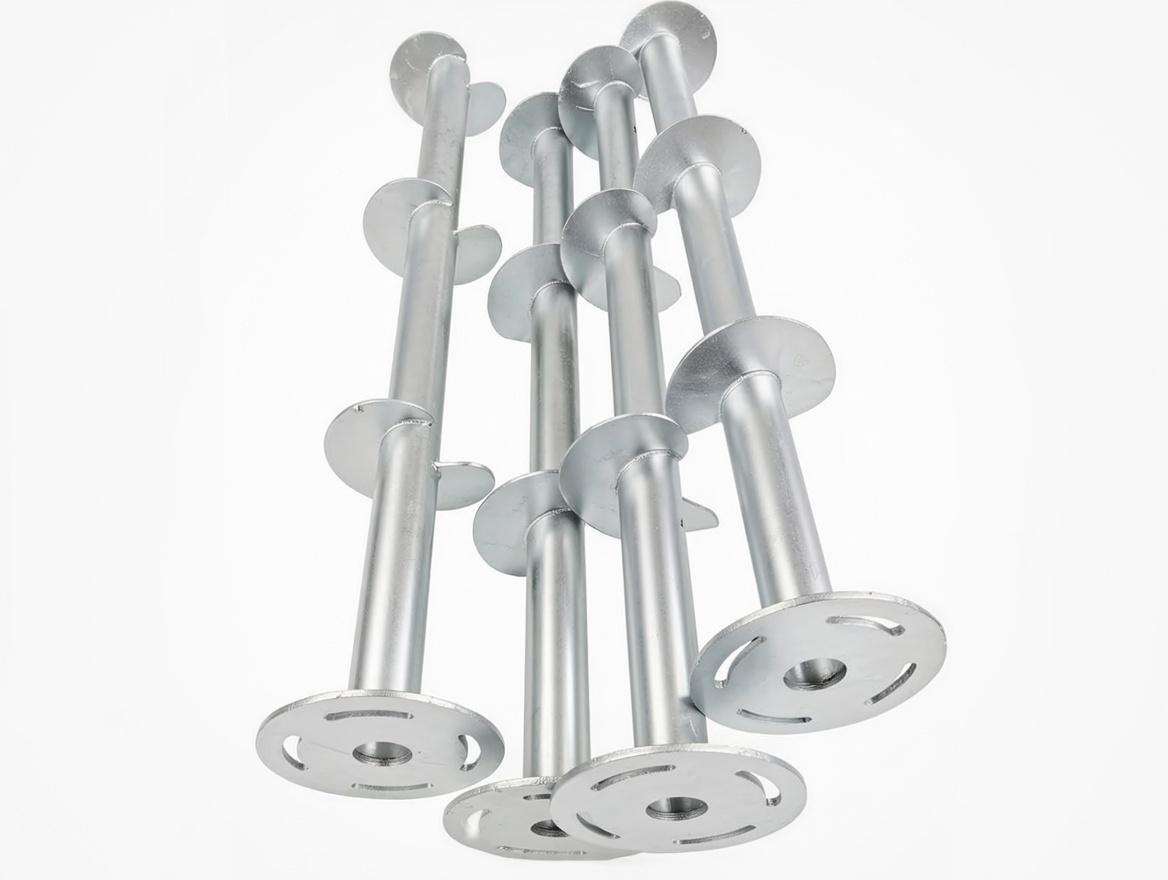
Every renewable energy project, whether it's a sprawling solar farm in a desert or a small-scale wind installation on a rural farm, presents unique challenges and opportunities. Instead of relying on generic, one-size-fits-all approaches, tailored solutions focus on the specific environmental, economic, and technical factors at play. This might involve customizing the design of solar panels to capture more light in cloudy regions, optimizing wind turbine placements based on local wind patterns, or integrating energy storage systems that match the project's daily demand cycles. By addressing these nuances directly, we can significantly boost overall efficiency, reduce waste, and ensure that every project not only meets but exceeds its energy output goals.
Beyond the initial setup, ongoing efficiency is maintained through adaptive technologies and real-time data analysis. For instance, smart monitoring systems can track performance metrics like energy production, equipment health, and weather impacts, allowing for immediate adjustments when issues arise. This responsive approach minimizes downtime and extends the lifespan of assets, leading to long-term cost savings and reliability. It transforms renewable projects from static installations into dynamic systems that evolve with changing conditions, maximizing returns on investment without constant manual intervention.
Ultimately, the goal is to create sustainable solutions that are as efficient as they are innovative, blending cutting-edge tech with practical insights. Whether it's through advanced materials, AI-driven optimization, or community-based energy sharing models, tailored strategies ensure that renewable energy projects aren't just functional—they're future-proof. This focus on customization sets our approach apart, making each project a testament to precision and effectiveness in the push towards a greener world.
Advanced Manufacturing Processes for High-Quality Solar Anchoring Systems
High-quality solar anchoring systems are critical for the durability and efficiency of solar installations, especially in regions with harsh weather conditions. Advanced manufacturing processes, such as precision casting, hot-dip galvanizing, and CNC machining, ensure that components like ground screws, brackets, and structural supports meet rigorous standards. These methods enhance corrosion resistance, reduce installation time, and minimize maintenance needs, ultimately contributing to longer system lifespans and better return on investment.
Innovations like automated robotic welding and additive manufacturing (3D printing) allow for custom designs and rapid prototyping, adapting to varied terrains and installation requirements. By integrating smart sensors and IoT-enabled monitoring during production, manufacturers can track quality control in real-time, detecting defects early and ensuring consistency. This not only boosts reliability but also supports green energy goals by reducing waste and optimizing resource use.
Moreover, advancements in material science, including the use of high-strength alloys and composite materials, further elevate performance. Collaborative efforts between engineers and environmental experts lead to processes that minimize ecological impact, such as low-emission coating techniques. As a result, these sophisticated manufacturing approaches set new benchmarks in the solar industry, offering robust solutions that withstand extreme climates while promoting sustainability.
Overcoming Terrain Challenges with Customized Ground Screw Applications
Traditional foundation methods often struggle with uneven or unstable ground, but customized ground screws offer a flexible solution that adapts to various terrains, from soft soils to rocky surfaces. By allowing for different lengths, diameters, and materials based on site-specific needs, these screws provide enhanced stability and load-bearing capacity without extensive excavation, reducing environmental impact and speeding up installation times.
In practice, customized ground screws can be tailored to handle challenges like steep slopes, wetlands, or areas with poor drainage, ensuring a secure anchor for structures such as solar panels, decks, and fences. This adaptability not only improves safety and durability but also opens up opportunities for construction in previously inaccessible locations, making them a go-to choice for projects where conventional methods might fail or incur higher costs.
The key to their effectiveness lies in precise engineering and on-site assessments, which guide the customization process to match soil conditions and load requirements. This approach minimizes guesswork and maximizes performance, offering a reliable, long-lasting foundation that withstands environmental stresses while simplifying maintenance over time, ultimately delivering value in both residential and commercial settings.
Cost-Effective Strategies for Sustainable Solar Infrastructure Development
In today's energy landscape, balancing upfront costs with long-term sustainability is crucial for solar infrastructure projects. One effective approach involves leveraging modular designs and scalable systems that allow for phased implementation. By starting with smaller, targeted installations and expanding gradually based on performance data and funding availability, communities can avoid financial strain while building resilience. This strategy not only reduces initial capital outlay but also enables ongoing optimization as technologies evolve.
Another key aspect is integrating innovative financing models, such as public-private partnerships and community solar programs. These models spread costs across multiple stakeholders and can unlock subsidies or tax incentives that lower barriers to entry. For instance, shared ownership arrangements allow residents to invest collectively in solar farms, fostering local engagement and ensuring that benefits are distributed equitably. This collaborative spirit often leads to more robust maintenance plans and higher adoption rates over time.
Furthermore, focusing on lifecycle management—from material selection to decommissioning—ensures that solar projects remain viable for decades. Using durable, recyclable components and implementing regular performance monitoring can minimize operational disruptions and extend infrastructure lifespans. Proactive maintenance schedules and real-time data analytics help identify inefficiencies early, preventing costly repairs and maximizing energy output. Ultimately, these practices contribute to a circular economy where resources are conserved and environmental impacts are mitigated.
Collaborative Approaches to Optimize Performance in Renewable Energy Setups
When we think about boosting the output of renewable energy installations like solar farms or wind turbines, it often comes down to more than just upgrading hardware. Collaborative approaches are reshaping how we enhance performance—it's about connecting disparate systems, sharing insights across teams, and integrating data in ways that were once overlooked. For instance, in a wind farm, operators might work alongside meteorologists and software developers to fine-tune turbine angles based on real-time weather data. This collaboration not only prevents downtime but squeezes every bit of power from gusts and breezes. By pooling expertise, these setups move beyond isolated tweaks to achieve a harmonized efficiency that feels almost intuitive, making renewable energy not just cleaner, but smarter too.
Another angle to consider is how local communities and tech innovators team up to optimize performance. Imagine a solar panel array in a rural area where residents provide feedback on energy usage patterns, which engineers then analyze to adjust storage solutions and distribution. This grassroots collaboration ensures that setups aren't just theoretically efficient but practically tailored to real-world demands. It’s a dynamic loop of feedback and refinement, where each stakeholder's input weaves into a more resilient and responsive energy network. Such partnerships often uncover hidden inefficiencies—like shading issues or seasonal variations—that pure data models might miss, leading to a setup that performs consistently, rain or shine.
On a broader scale, cross-industry alliances are pushing performance boundaries in renewable energy. For example, a hydropower plant might collaborate with agricultural sectors to manage water flow, optimizing both energy generation and irrigation needs. By aligning goals, these setups reduce waste and boost overall output. This synergy transforms renewable energy from a standalone solution into an integrated ecosystem where performance gains ripple across multiple domains. It's about seeing the bigger picture—where every collaboration, whether big or small, stitches together a more efficient and sustainable future, proving that teamwork truly powers the brightest innovations in green energy.
FAQ
Custom solar ground screws offer tailored solutions that adapt to diverse soil conditions and project needs, reducing installation time and environmental impact compared to traditional concrete foundations.
By providing precise anchoring and stability, they minimize ground disruption, allowing for quicker deployment and potentially lower long-term maintenance costs, which boosts overall project efficiency.
Key considerations include soil composition, load requirements, climate factors, and local regulations to ensure optimal performance and durability.
Yes, custom designs can be engineered with specialized materials and configurations to handle difficult terrains, offering flexibility where standard solutions might fail.
High-strength steel or corrosion-resistant alloys are common, chosen for their durability, load-bearing capacity, and resistance to environmental factors like moisture and temperature changes.
They reduce the carbon footprint by minimizing excavation and concrete use, aligning with goals to lower environmental impact and promote eco-friendly construction practices.
Lead times vary based on design complexity and order volume, typically ranging from a few weeks to several months, with expedited options available for urgent projects.
Maintenance is generally low, involving periodic inspections for corrosion or loosening, but custom designs often incorporate features that enhance longevity and reduce upkeep needs.
Conclusion
The article on custom solar ground screw manufacturing highlights innovative techniques that enhance durability in solar installations, such as tailored designs to withstand varying loads and environmental conditions. It emphasizes the importance of tailored solutions that maximize efficiency in renewable energy projects by integrating precision-engineered screws, which not only improve stability but also reduce installation time and costs. Advanced manufacturing processes are discussed, focusing on high-quality solar anchoring systems produced with cutting-edge technology to ensure reliability and longevity, even in challenging terrains.
Customized ground screw applications are presented as key to overcoming terrain challenges, offering adaptable designs for diverse landscapes to optimize solar infrastructure. The article also delves into cost-effective strategies for sustainable development, advocating for collaborative approaches that bring together engineers, manufacturers, and project managers to optimize performance in renewable energy setups. By blending these aspects, the content showcases expert solutions that drive the renewable energy sector forward with robust, efficient, and eco-friendly practices.
Contact Us
Contact Person: Simon
Email: [email protected]
Tel/WhatsApp: 8613672181100
Website: https://energetsolar.com/