

Customs Data Analytics: Unlocking Insights for Business Growth
2026-04-13
In today's globalized marketplace, navigating customs data can be the key to unlocking unprecedented business growth. As companies expand across borders, the sheer volume and complexity of trade information often obscure valuable insights. But what if you could transform this data into a strategic asset? This blog delves into how customs data analytics is not just a tool but a game-changer for businesses aiming to thrive in international trade. At Tendata, we specialize in turning raw customs data into actionable intelligence that drives smarter decisions and fosters competitive advantage. In the following sections, we'll explore the hidden patterns, trends, and opportunities within customs data that can propel your business forward. Get ready to discover how leveraging these insights can redefine your approach to growth and efficiency.
Harnessing Customs Analytics for Competitive Market Insights
Imagine you're a business leader trying to crack a new international market, but you feel like you're playing a guessing game. Customs analytics flips the script by turning raw trade data into a strategic goldmine. Instead of relying on vague reports, you can now pinpoint exactly what your competitors are shipping, where they're sourcing materials, and even detect emerging trends before they hit the headlines. This isn't about snooping; it's about using publicly available customs declarations to build a sharper, data-driven picture of the competitive landscape.
The real power lies in the granular details that many overlook. By analyzing shipment volumes, product descriptions, and tariff codes over time, you can spot subtle shifts in supply chains or consumer preferences. For instance, a sudden spike in imports of a specific component might signal a competitor's new product launch, giving you a head start to adjust your own strategy. Unlike generic market research, which often lags, customs data provides near real-time insights that keep you agile and responsive in fast-moving industries.
To truly stand out, integrate this data with other sources like economic indicators or social media trends, creating a multidimensional view that's uniquely tailored to your goals. It's like having a secret lens into the market's inner workings—no hype, just hard facts that drive smarter decisions and sustainable growth.
Streamlining Supply Chain Operations through Data-Driven Approaches
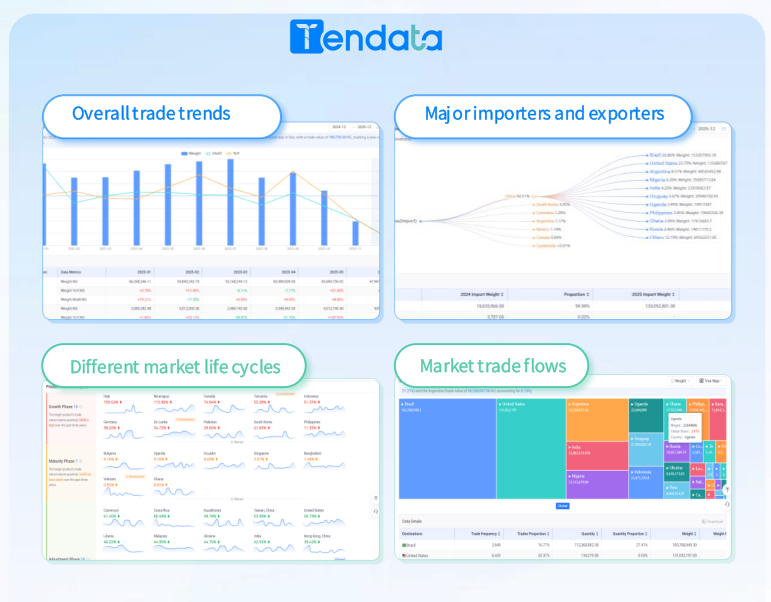
In today's fast-paced global market, companies are increasingly turning to data-driven approaches to streamline their supply chain operations. By leveraging advanced analytics and real-time data, businesses can gain unprecedented insights into every stage of the supply chain, from raw material sourcing to final delivery. This not only enhances efficiency but also reduces costs and minimizes disruptions, making operations more resilient and responsive to changing demands.
One key aspect of this transformation involves integrating IoT devices and sensors to collect granular data on inventory levels, transportation conditions, and production processes. With this information, managers can make informed decisions, such as optimizing routes to avoid delays or predicting maintenance needs before equipment failures occur. As a result, supply chains become more agile, capable of adapting quickly to market shifts and customer preferences without sacrificing quality or service.
Ultimately, embracing these data-driven strategies fosters a culture of continuous improvement within organizations. By analyzing historical trends and performance metrics, companies can identify bottlenecks and implement targeted solutions, leading to smoother workflows and stronger partnerships with suppliers and distributors. This holistic approach not only streamlines operations but also drives innovation, setting firms apart in competitive landscapes where efficiency and reliability are paramount.
Mitigating Risks and Enhancing Compliance with Predictive Models
Predictive models offer powerful tools for forecasting trends and behaviors, but their deployment introduces significant risks that must be carefully managed. By integrating robust validation processes and continuous monitoring, organizations can identify potential biases, errors, or inaccuracies early on, reducing the likelihood of costly mistakes or legal issues. This proactive stance not only safeguards operations but also builds trust among stakeholders, ensuring that models align with ethical standards and business objectives without compromising performance.
Enhancing compliance in this context goes beyond mere regulatory adherence; it involves embedding transparency and accountability into every stage of model development and use. Adopting interpretable algorithms and maintaining detailed documentation allows for clearer audits and easier adjustments when regulations evolve. Such practices not only streamline compliance efforts but also foster a culture of responsibility, where teams actively engage in risk assessment and mitigation, turning potential vulnerabilities into opportunities for improvement and innovation.
Ultimately, the synergy between risk mitigation and compliance strengthens an organization's resilience in dynamic environments. By leveraging predictive models as strategic assets rather than black-box tools, companies can navigate uncertainties more effectively, adapt to changing legal landscapes, and deliver more reliable outcomes. This holistic approach ensures that technology serves as a catalyst for growth while upholding integrity and long-term sustainability.
Boosting Revenue by Identifying Untapped Trade Opportunities
In today’s fiercely competitive global marketplace, businesses often focus on optimizing existing operations, but true revenue growth can hinge on uncovering those hidden gems—untapped trade opportunities that competitors have overlooked. By conducting thorough market analyses and leveraging data-driven insights, companies can pinpoint gaps in supply chains, emerging consumer trends in niche regions, or underutilized resources. This proactive approach not only diversifies revenue streams but also builds resilience against market fluctuations, turning potential risks into profitable ventures.
Imagine a scenario where a manufacturer identifies a surge in demand for sustainable materials in a developing country that lacks local suppliers. By seizing this untapped opportunity, they can establish strategic partnerships, reduce reliance on saturated markets, and capitalize on first-mover advantages. It’s about thinking beyond the obvious, using tools like trade databases and cross-cultural intelligence to spot opportunities that others might dismiss as too small or risky, ultimately driving significant financial gains.
To put this into practice, firms should foster a culture of innovation and continuous exploration, encouraging teams to question conventional wisdom and explore unconventional trade routes. Regular audits of international trade patterns, coupled with feedback from local stakeholders, can reveal these opportunities, leading to sustainable growth that outpaces industry averages. In essence, identifying and acting on untapped trade opportunities isn’t just a strategy; it’s a mindset shift that propels businesses toward long-term success.
Personalizing Customer Experiences with Tailored Import-Export Data
Imagine a scenario where businesses can anticipate their customers' needs before they even articulate them. By leveraging tailored import-export data, companies dive deep into buying patterns, regional demand fluctuations, and product preferences across borders. This data isn't just numbers on a spreadsheet; it's a narrative of consumer behavior that allows for crafting hyper-personalized offers, from customized shipping options to region-specific promotions. For instance, a company might notice a spike in demand for eco-friendly goods in a certain market and adjust their inventory accordingly, creating a seamless and thoughtful experience that resonates with local values.
Beyond mere personalization, this approach transforms how brands engage with their global audience. By analyzing import-export trends, firms can identify niche opportunities and tailor marketing strategies to fit cultural nuances or seasonal shifts. This leads to more relevant communication, such as targeted email campaigns highlighting products that align with recent trade flows or local events. It's about making every interaction feel bespoke, fostering loyalty as customers recognize that the brand truly understands their unique context and needs.
Moreover, the strategic use of tailored data enhances operational efficiency while boosting customer satisfaction. By optimizing supply chains based on real-time export-import insights, companies ensure faster delivery times and lower costs, which they can pass on as benefits to end-users. This proactive stance not only mitigates risks like stockouts or delays but also builds trust through transparency and reliability. Ultimately, personalized experiences rooted in robust data analysis create a competitive edge, turning casual buyers into devoted advocates in an increasingly crowded marketplace.
Leveraging AI in Customs to Optimize Business Decision-Making
In modern customs operations, integrating artificial intelligence is transforming how businesses approach logistical challenges and strategic planning. Unlike traditional methods that rely heavily on manual data analysis, AI-driven systems can sift through vast datasets in real-time, identifying patterns and anomalies that often go unnoticed. This enables companies to anticipate delays, streamline supply chains, and adapt quickly to regulatory changes, ultimately enhancing operational efficiency and reducing costs.
By leveraging AI, customs processes become more predictive rather than reactive. Machine learning algorithms can analyze historical shipment data, weather conditions, and geopolitical factors to forecast potential bottlenecks or compliance issues. This foresight allows businesses to make informed decisions, such as rerouting shipments or adjusting inventory levels, minimizing disruptions and maximizing profitability. The result is a smarter, more agile approach to international trade that keeps companies ahead of the curve.
Beyond logistics, AI also empowers businesses to refine their risk management strategies. Advanced analytics can detect fraudulent activities or non-compliance in customs declarations, helping organizations avoid penalties and maintain a strong reputation. This proactive stance not only safeguards against financial losses but also builds trust with partners and authorities, creating a competitive edge in today's fast-paced global market.
FAQ
It encompasses the analysis of data from customs declarations, tariffs, trade flows, and compliance records to identify patterns and trends in international trade.
By analyzing import/export volumes, tariff rates, and competitor activities, companies can spot new opportunities, optimize supply chains, and reduce costs, leading directly to increased market share and profitability.
Businesses often neglect data quality issues like inconsistencies or delays, misinterpret trade regulations, or fail to integrate analytics with broader market intelligence, resulting in flawed strategies.
Absolutely. With accessible tools and platforms, SMEs can use it to benchmark against larger players, identify niche markets, and ensure compliance without extensive resources, leveling the competitive field.
Common tools include business intelligence software like Tableau or Power BI, specialized trade analytics platforms, and custom-built solutions that integrate with government databases for real-time insights.
It provides visibility into shipment delays, tariff changes, and trade barriers, enabling proactive adjustments to routes and inventories, which enhances efficiency and resilience in supply chains.
Analytics helps monitor adherence to trade regulations, flag potential violations early, and streamline reporting, reducing the risk of fines and ensuring smooth cross-border operations.
Conclusion
Customs data analytics serves as a powerful tool for unlocking profound insights that drive business growth, transforming raw data into strategic advantages. In today's globalized economy, companies are increasingly leveraging customs analytics to gain competitive market insights, allowing them to identify trends, monitor competitors, and adapt swiftly to market shifts. By harnessing these insights, businesses can streamline supply chain operations through data-driven approaches, optimizing logistics and reducing inefficiencies for smoother, more cost-effective processes. This proactive stance not only enhances operational efficiency but also helps in mitigating risks and enhancing compliance with predictive models, ensuring adherence to regulations and minimizing potential disruptions.
Furthermore, customs data analytics opens up avenues for revenue growth by identifying untapped trade opportunities and enabling more informed decision-making. Businesses can boost revenue by uncovering hidden market niches and tailoring strategies to capitalize on emerging trends. Additionally, personalizing customer experiences with tailored import-export data allows for more targeted services, fostering stronger client relationships. Leveraging AI in customs further optimizes business decision-making, providing real-time analysis and predictive capabilities that enhance agility and innovation. By integrating these elements, companies can not only navigate complex international trade landscapes but also thrive, turning data into a catalyst for sustained expansion and success in an ever-evolving global marketplace.
Contact Us
Contact Person: Grace
Email: [email protected]
Tel/WhatsApp: +86 18721992033
Website: https://www.tendata.com