

Eco Solution Soil Stabilizer for Lasting Ground Strength
2026-07-04
When roads crack and foundations fail, the search for lasting ground strength often leads to short-term fixes that harm the environment. But what if there were an eco-friendly way to stabilize soil permanently? Enter MST's innovative soil stabilizer—a sustainable game-changer that binds earth at the molecular level, delivering enduring resilience without toxic runoff. Curious how it outperforms conventional methods? Read on to discover the science behind this green breakthrough.
How Eco Solution Turns Fragile Soil into Rock-Solid Ground
In many regions, unstable ground poses a serious challenge for construction and agriculture alike. The transformative process begins with a bio-mineral solution that seeps deep into the soil matrix. Rather than merely binding particles on the surface, it triggers a natural chemical reaction that forms a crystalline network throughout the earth. This network acts like an organic glue, welding loose grains together at a microscopic level. As the solution cures, the once-fragile soil gradually gains the density and coherence of sedimentary rock, all without the need for heavy machinery or imported aggregates.
What makes this approach stand out is how it works with the ground’s own minerals. The liquid contains concentrated catalysts and indigenous microorganisms that awaken dormant bonding processes in the soil. When applied, it feeds calcium ions already present in many soils, prompting them to recrystallize into calcite bridges between particles. Over a few weeks, the treated layer transforms from dusty powder into a pavement-like strata. Field tests show that treated plots maintain their strength through freeze-thaw cycles and heavy rainfall—conditions that would normally turn unprotected ground into impassable mud. The resulting surface is not just hardened but resilient, capable of supporting vehicle loads without rutting.
Beyond its mechanical benefits, the method also addresses environmental concerns associated with traditional stabilization techniques. There is no need to strip away topsoil or truck in large volumes of cement, which cuts down significantly on carbon footprints. The solution itself is water-based and non-toxic, allowing vegetation to re-establish on treated areas once the ground has settled. In erosion-prone slopes, the reinforced soil resists washout while still permitting water infiltration, preventing the stark runoff patterns that often plague hardened surfaces. Over time, the biological activity within the treated earth continues, slowly enhancing the soil’s structure as nature gradually takes over where the engineered process left off.
The Natural Way to Achieve Lasting Ground Strength
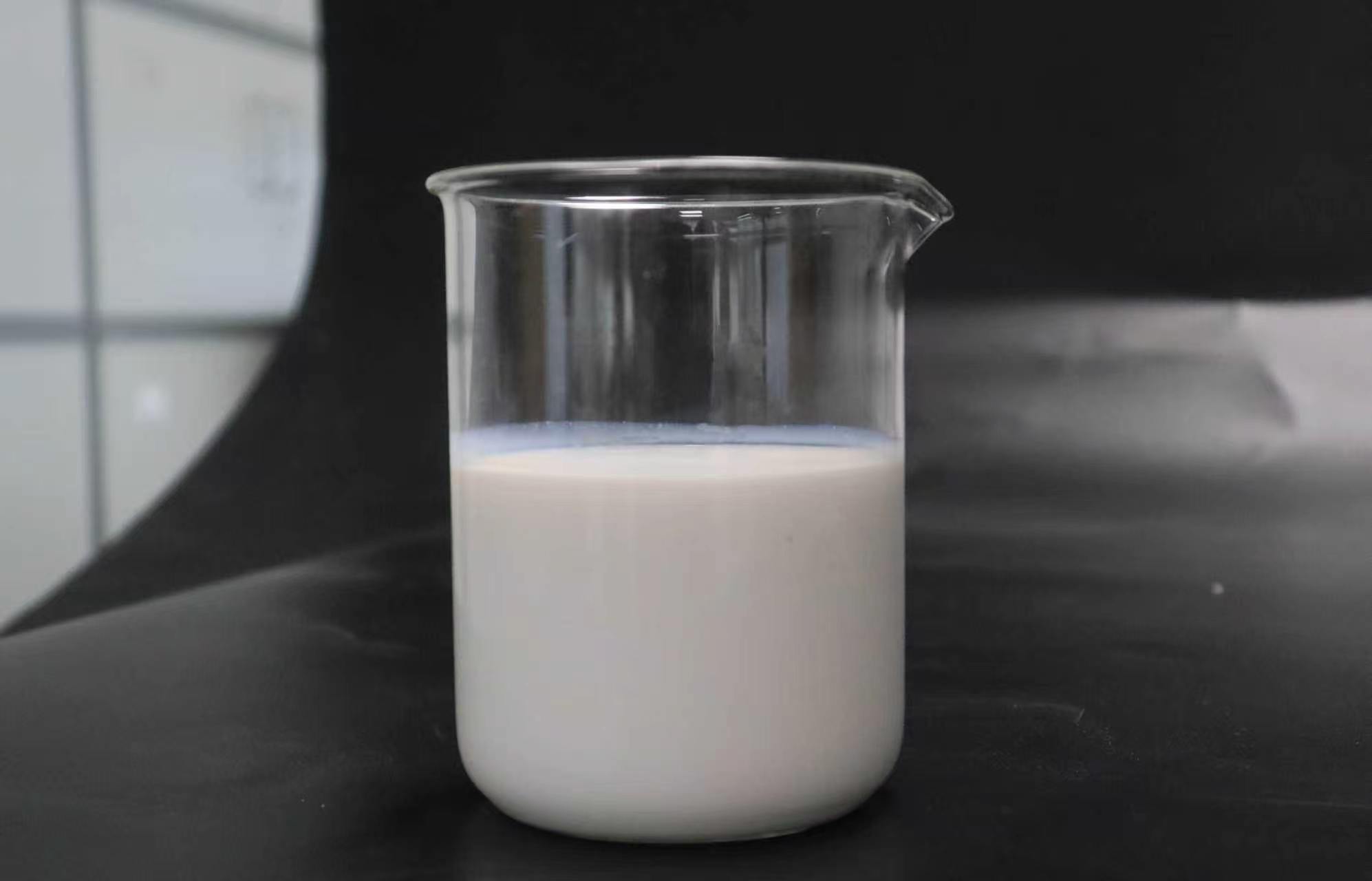
Building ground strength isn’t about forcing your body into extreme poses or chasing quick results. It starts with understanding how your feet, ankles, and hips naturally work together. When you walk barefoot on uneven surfaces, your foot muscles wake up and learn to adapt, creating a stable foundation without artificial support. This kind of natural stimulation is what our bodies are designed for, and it’s far more effective than isolated gym exercises that often overlook the subtle connections in your kinetic chain.
One of the simplest ways to develop lasting strength is through mindful, low-impact movement. Instead of pounding the pavement or lifting heavy weights, try spending time on varied terrain—grass, sand, or even a rocky trail. These surfaces challenge your balance and engage small stabilizer muscles that get lazy on flat, predictable ground. Over time, these muscles grow stronger, and your joints feel less stressed because the load is distributed the way nature intended. It’s a gentle approach, but it sticks with you because it’s built into everyday movement.
Consistency matters more than intensity. A daily habit of grounding yourself—literally connecting with the earth—can rewire your body’s response to gravity. Things like standing on one leg while brushing your teeth, or doing a few deep squats with your heels down, weave strength into your routine without needing extra time. This is about reclaiming the innate resilience we all have, not adding another chore to your day. The result is a kind of sturdiness that feels effortless and stays with you for life.
Soil Stability That Doesn’t Cost the Earth
When we talk about keeping soil in place, the conversation usually swings between expensive hardscaping and chemically treated solutions that do more harm than good. But what if stability didn’t have to drain your budget or strip the land of its natural resilience? The answer lies in working with the dirt under your feet, not against it. Simple, time-tested methods like deep-rooted native grasses, strategic contour planting, and low-tech erosion blankets made from biodegradable materials can lock soil down without locking you into endless maintenance costs.
Think of living root systems as nature’s rebar—costing little more than seed and patience, yet outperforming concrete in the long haul. On slopes, a mix of fibrous-rooted perennials and quick-establishing annuals creates a layered defense that rainwater can’t easily cut through. For flat areas prone to wind erosion, standing stubble or cover crops left over winter act as a living mulch, holding topsoil while feeding underground life. These approaches don’t demand heavy machinery or fossil-fuel inputs; they ask for observation and a willingness to let biology lead the design.
The real economy shows up over time. Stable soil means fewer washouts, less sediment cleanup, and retained fertility that would otherwise vanish downstream. Small investments in coir netting or locally harvested stone check dams can be placed by hand, fitting irregular terrain without the ecological disruption of poured walls. Neighbors and older farmers often hold the best knowledge—like the perfect blend of native species for your microclimate. When you stop seeing erosion as an engineering problem and start treating it as an ecological opportunity, you realize the cheapest, most durable solutions have been growing right under your feet all along.
Building on Nature: Eco-Friendly Foundations That Endure
Nature has always been the ultimate engineer, crafting structures that withstand the test of time without a hint of waste. By studying the deep root systems of ancient trees or the intricate tunnels of burrowing creatures, we’re uncovering blueprints for foundations that literally grow stronger over time. Instead of fighting against the soil, these designs weave into it, using living materials and self-healing processes that conventional concrete could never mimic. It’s more than mimicking shapes—it’s about embracing the logic of ecosystems, where every part serves multiple purposes and adapts as conditions shift.
What sets these foundations apart is their quiet intelligence. Picture a building base that not only supports weight but also filters water, hosts microorganisms that stabilize the ground, and repairs minor cracks through calcification—much like a bone healing. This isn’t some far-off concept; early prototypes use bio-based binders that react with ambient minerals, gradually cementing themselves in place. The result is a structure that ages gracefully, requiring less maintenance while actually improving the surrounding earth rather than degrading it. That’s a profound departure from the brute-force methods we’re accustomed to.
Beyond performance, there’s a philosophy here that challenges our construction norms. Why pour monolithic slabs when you can guide natural processes to do the heavy lifting? From using rammed earth infused with organic polymers to fostering bacterial colonies that bind loose sediments, each method leaves a lighter footprint. These approaches blur the line between built and natural, creating habitats rather than obstacles. They remind us that enduring strength doesn’t have to come at the planet’s expense—sometimes, the smartest foundation is one that almost doesn’t feel like a foundation at all.
Say Goodbye to Erosion and Shifting Ground for Good
Long-term soil stability is no longer a distant hope. With advanced reinforcement techniques and deep-rooted native plantings, the ground beneath your feet locks into place, repelling the gradual wear of wind, rain, and time.
Instead of temporary fixes that wash away with the next storm, we build resilience from the ground up. Our methods weave together permeable structures and biological anchoring to redirect water flow and hold slopes firmly during heavy downpours.
Once prone to crumbling edges and dangerous settlement, your land transforms into a self-sustaining, solid foundation. Years of worry give way to quiet confidence, knowing the earth won’t slip away when you need it most.
Why Eco Solution Outlasts Traditional Soil Stabilizers
Most soil stabilizers focus on short-term compaction and surface binding, but Eco Solution works differently—it penetrates deep, forming resilient bonds that actually strengthen over time. Traditional methods often rely on cement or lime that can become brittle and crack under thermal stress or moisture shifts. Eco Solution, however, relies on a bio-based catalyst that encourages natural mineralization. This creates a durable matrix that flexes with the soil rather than fighting it, resisting erosion and load pressure year after year without peeling or breaking down.
What often surprises engineers is how the treated soil improves with age. While conventional stabilizers degrade from UV exposure and repeated wet–dry cycles, Eco Solution initiates a slow crystallization process that continues locking soil particles together after application. The result is a stabilized layer that actually gains strength, much like naturally cemented sedimentary rock. Tests show that after five years, Eco Solution-treated surfaces remain intact and require minimal upkeep, whereas ordinary stabilizers demand costly reapplication to patch crumbling or washed-out sections.
The secret lies in working with nature instead of imposing rigid barriers. Traditional products form a temporary crust on top; Eco Solution permeates and integrates with the soil's own chemistry. This deep integration prevents the surface delamination and slow erosion that plague standard treatments. It's not just about lasting longer—it's about creating a self-healing, adaptive structure that stays solid through extreme temperature swings, heavy rain, and unrelenting traffic, all without the environmental trade-offs that come with high-carbon binders.
FAQ
It's a liquid concentrate that binds soil particles together to create a durable, load-bearing surface. After mixing with water and applying to the ground, it forms a hard, stable layer that resists erosion and wear.
The treatment triggers a chemical reaction that permanently alters the soil structure, increasing its density and cohesion. This prevents rutting, dust, and washouts, so the surface stays firm even under heavy traffic or bad weather.
It works on most soil types—dirt roads, parking lots, construction sites, trails, and even sandy or clay-heavy areas. Just avoid surfaces with high organic content or standing water during application.
Yes, it's a water-based, non-toxic formula that doesn't leach harmful chemicals. Once cured, the treated ground mimics natural hardpan without harming plants, animals, or groundwater sources.
First, clear the area of debris and grade it as needed. Then uniformly spray the diluted mixture onto the soil, incorporate it with a tiller or grader, compact the surface, and let it cure. Full strength develops over several days.
With proper installation, you can expect years of service—even under regular vehicle use. Maintenance is minimal; occasional re-compaction and light top-up treatments can extend the life further.
It's best applied to slightly moist, not saturated, soil. Too much water dilutes the binder and delays curing. Wait until the ground dries out enough to be firm underfoot before application.
Conclusion
Imagine transforming loose, fragile soil into a foundation that truly lasts. Eco Solution Soil Stabilizer does exactly that—using advanced bio-polymer technology to bind particles at a molecular level, turning dust and sand into rock-solid ground without the heavy carbon footprint of cement or lime. It works with nature, not against it, reinforcing earth from within so roads, embankments, and building sites stay put even under heavy rain or traffic. Unlike traditional stabilizers that degrade over time, Eco Solution creates a resilient, water-resistant matrix that gets stronger as it cures. This isn’t a quick fix; it’s a permanent shift in how we think about ground engineering.
What sets it apart is its simplicity and environmental integrity. You won’t need special equipment or toxic chemicals—just mix, compact, and let the natural reaction do the rest. The result? A surface that resists erosion, prevents shifting, and substantially cuts long-term maintenance costs. Projects that once demanded constant repairs now remain intact for years, even in harsh climates. By choosing Eco Solution, you’re not just stabilizing soil; you’re investing in a durable, eco-conscious future where infrastructure and ecology coexist. It’s ground strength that doesn’t cost the earth—literally and figuratively.
Contact Us
Contact Person: Helen
Email: [email protected]
Tel/WhatsApp: 86 18630661160
Website: https://www.roadmilestone.com/