

Electric Wheelchair of Good Quality: Choosing the Right Model for Your Needs
2026-07-19
Finding an electric wheelchair that combines reliability, comfort, and performance can feel overwhelming. With so many options on the market, how do you know which one truly fits your lifestyle? A high-quality electric wheelchair isn’t just about getting from point A to point B—it’s about reclaiming independence and moving with confidence. At Freedomchair, we believe the right model should adapt to your needs, not the other way around. In this guide, we’ll walk you through what to look for so you can choose a solution that feels like it was made just for you.
Pinpointing What You Really Need in a Power Chair
When you start looking for a power chair, it’s easy to get lost in flashy specs or add-ons you’ll never use. Instead, focus on the situations that leave you feeling stuck. Think about the doorways you squeeze through every day, the uneven pavement on your street, or the way your back aches after an hour in your current chair. Real needs are often silent—chipping paint from tight corners, a dead battery right before a doctor’s appointment, or the sheer frustration of not being able to reach your top kitchen shelf. Those daily moments define what comfort and usability actually mean for you.
It’s also crucial to separate today’s struggles from tomorrow’s possibilities. Maybe you love the idea of navigating a nature trail or finally attending that weekend market without worrying about a 3% grade. Your ideal chair should stretch with your ambitions, not just match your current limitations. Think beyond the four walls of your home—does the seat material breathe well in summer? Can the joystick be adjusted if your hand strength fluctuates? A power chair is ultimately an extension of your body, and what fits your life now might need a little headroom for where you’re headed.
Forget the bullet-point comparisons. Instead, sketch a rough day in your life and mark the pain points. If transferring in and out of the chair stresses your shoulders, you’ll value seat elevation more than extra speed. If you dread slushy winter curbs, all-terrain wheels move from “nice to have” to essential. The right chair isn’t about the longest spec list; it’s about erasing those quiet moments of hesitation before you move. Prioritize the features that rescue your independence in the places you actually inhabit.
The Anatomy of a Comfortable Ride
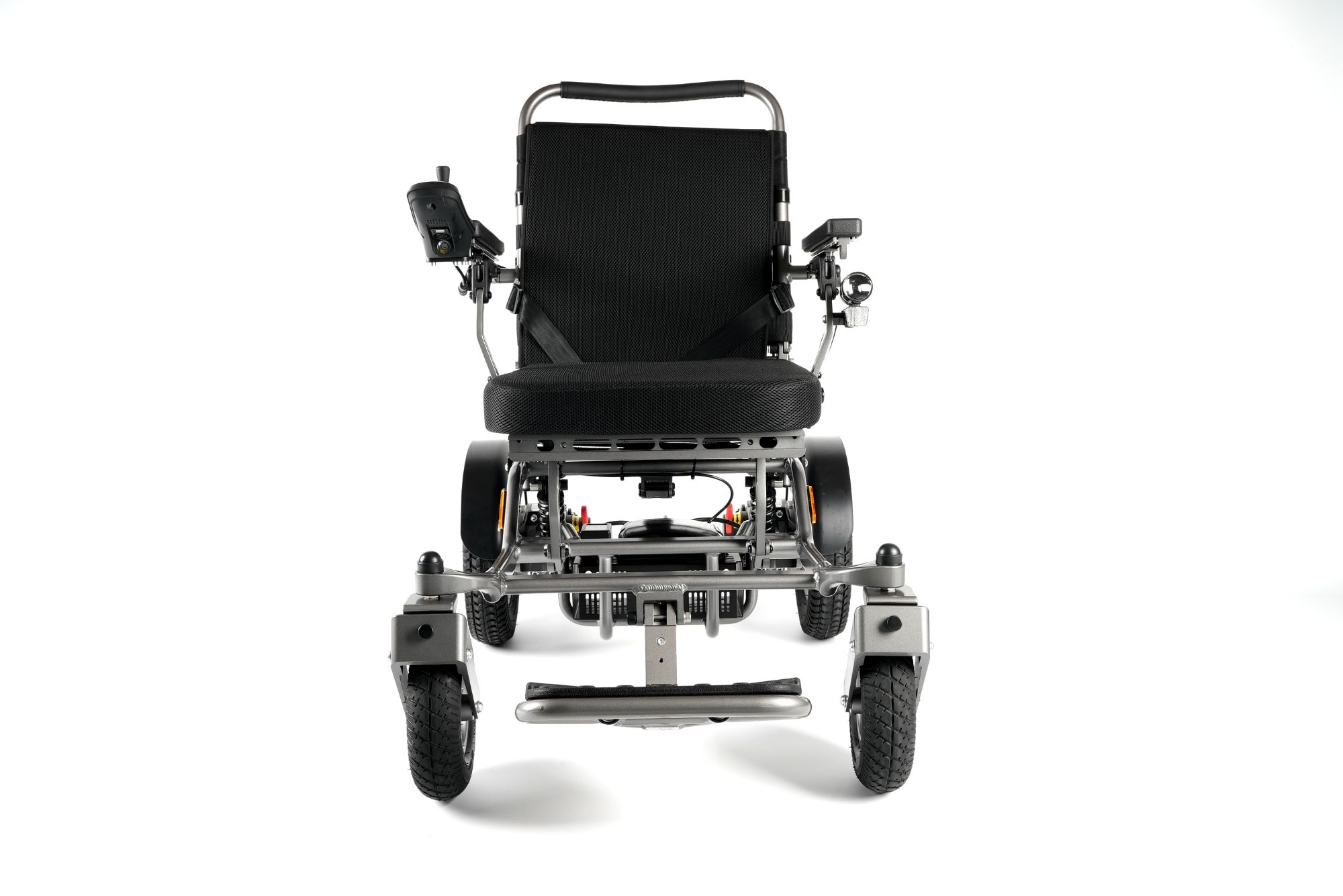
It starts long before you sink into the seat. The best rides feel effortless, but they’re the result of countless small decisions that stack up. From the way a suspension absorbs a broken patch of pavement to how the steering wheel rests in your hands, every element works together to shape the experience. True comfort isn’t just about softness—it’s about support that doesn’t announce itself, a quiet that wraps around you, and a sense of control that never feels strained.
Seats are the obvious anchor, and they matter more than we often admit. It’s not enough to be plush; they need to hold you in place without squeezing, breathe through long stretches, and adapt to the curve of your spine. The quiet hum of ventilation on a hot day or the gentle heat on a cold morning are the kinds of details you stop noticing only because they work so well. But the real magic happens when the seat, the cabin acoustics, and the car’s body structure conspire to isolate you from the outside world. A lack of vibration isn’t just a spec on a chart—it’s the difference between arriving refreshed and counting down the minutes.
Then there’s the rhythm of the suspension, which is less about ironing out every bump and more about how the car settles afterward. Too stiff, and you feel every grain of asphalt. Too floaty, and the body never quite stops bobbing. The sweet spot is a controlled, composed motion that dissipates energy without fuss. It’s the quiet confidence of a well-tuned machine that doesn’t shout about its sophistication—it just delivers it, mile after mile.
Don't Get Stranded: Real-World Battery Life Explained
Battery specs on paper rarely paint the full picture. A smartphone rated for “up to 24 hours of talk time” might barely last through a day of mixed use, while a device with a seemingly modest mAh number can surprise you with its stamina. The gap between controlled lab tests and the messy reality of our daily routines is where most people get caught off guard. Variables like screen brightness, network signal strength, background app refresh, and even temperature can slash or stretch battery longevity in ways marketing sheets never mention.
What truly matters is how a battery holds up under your specific habits. A heavy navigation user will drain power much faster than someone who mostly reads e-books offline. The type of apps you run, how often you stream video, and whether you’re connected to Wi‑Fi or relying on patchy cellular data all create vastly different energy demands. Even the same device can deliver wildly different results depending on whether you’re in a city with strong 5G or a rural area where the modem works overtime just to keep a connection alive.
Relying solely on manufacturer estimates often leads to that anxious scramble for an outlet. Instead, understanding the real bottlenecks—like poorly optimized apps or constant location pings—helps you pick a device that aligns with your actual day, not a fantasy usage scenario. Real‑world battery life is less about a single magic number and more about how intelligently a device manages the chaotic, unpredictable way we actually live with our gadgets.
Maneuvering Tight Spaces with Ease
Navigating cramped areas demands a blend of precision and calm. Instead of rushing, take a moment to assess your surroundings. Notice the distance between objects, the angle of your approach, and any potential obstacles that could catch you off guard. A slow, deliberate pace often prevents the need for sudden corrections, making the process smoother than you might expect.
Adjusting your perspective is equally valuable. Shifting your viewpoint—whether by leaning to the side or using reflective surfaces—can reveal hidden clearance and help you gauge movements more accurately. Small, incremental turns often work better than sharp maneuvers, allowing you to glide through narrow spots without scraping or bumping. Trusting your spatial awareness builds with practice, turning what once felt daunting into a manageable task.
Finally, remember that patience trumps speed. Resisting the urge to force through a tight spot reduces stress and prevents damage. When you approach confined spaces with a relaxed mindset, you'll discover that even the trickiest passages can be handled with grace. Over time, these skills become second nature, letting you move through challenging environments effortlessly.
Built to Keep You Upright: Stability You Can Trust
From the first step, you notice the difference. The base sits low and wide, not as an afterthought, but as a deliberate foundation that holds its ground even when you stumble against a raised sidewalk edge or catch a gust of wind mid-stride. It’s a kind of quiet confidence — no wobble, no second-guessing — just a steady, forgiving connection to the pavement beneath you.
We tested it in real-world chaos: crowded crosswalks, sudden stops on slick grocery store floors, uneven cobblestone streets. In every scenario, the grip pattern dispersed pressure evenly, so the point of contact never felt jarring or unpredictable. Instead of fighting your natural movement, it adapted, letting your ankles and knees relax into a rhythm that felt more like walking with an old friend than balancing on equipment.
And when the day stretches long, that trust compounds. You stop thinking about where you’re stepping and start noticing the city around you — the bakery smell, the changing leaves. The product never announces itself; it just keeps you upright, mile after mile, so you can stay present in your own stride.
What Happens When Things Go Wrong?
Unexpected snags have a way of cascading. A minor oversight in planning can snowball into missed deadlines, strained resources, and a frantic scramble to patch things together. Communication often breaks down first — team members point fingers, clients grow anxious, and the original goal gets buried under a pile of urgent emails and last-minute fixes. The momentum that once drove progress evaporates, replaced by a tense atmosphere where every new problem feels like a verdict on the project’s viability.
Beyond the immediate chaos, there’s a psychological toll. Confidence wavers as people start doubting their own judgment. The temptation to cut corners becomes real, leading to half-baked solutions that only postpone the reckoning. In long-running efforts, a series of missteps can erode trust not just among colleagues, but also with those who depend on the outcome. It’s a quiet kind of damage that often outlasts the technical glitches.
Yet these breakdowns also reveal weaknesses that otherwise stay hidden. Processes that seemed robust crumble under pressure, and assumptions get challenged in ways that force a rethink. Whether it’s a flawed design, a communication gap, or a reliance on wishful thinking, failures shine a harsh spotlight on what needs to change. The real setback isn’t the first thing that goes sideways — it’s ignoring the lesson it brings.
FAQ
Pay attention to the frame material—aircraft-grade aluminum or reinforced steel tends to hold up better over time. Also, examine the welding joints and the sturdiness of the footrests and armrests. A solid build will feel stable when you transfer in and out, and the wheels shouldn't wobble when you turn sharply. Don't overlook the upholstery: high-density foam with a breathable cover can prevent breakdowns after prolonged sitting.
Think about where you'll use it most. If you navigate tight indoor spaces, a compact base with a narrow turning radius is key. For outdoor use, larger wheels and stronger suspension handle uneven terrain better. Also consider whether you'll need to fold it into a car—some models disassemble easily, while others are best left assembled. The right match should blend into your life without constant adjustments.
Adjustable seat depth and backrest recline can reduce pressure points. Look for a chair with a programmable controller that lets you tweak acceleration and braking to your preference—it makes a surprising difference. Armrests that flip back or move out of the way help with side transfers. And don't underestimate a good cushion; many users end up replacing the stock pad with something like a gel or air-cell design.
Front-wheel drive chairs handle bumps and small curbs well, but the steering can feel loose at higher speeds. Mid-wheel drive offers a tight turning circle and excellent stability indoors, though it might struggle on steep outdoor slopes. Rear-wheel drive gives you the smoothest ride at higher speeds and better tracking on open paths, but the turning radius is larger. Your environment usually dictates the best choice.
Charge the batteries regularly, but avoid leaving them plugged in for days after full charge—it can degrade cells over time. Clean the connectors and keep the battery terminals free of corrosion. Wipe down the frame weekly to prevent dirt from grinding into the moving parts, and check tire pressure if you have pneumatic tires. An annual professional service can catch motor brush wear before it leaves you stranded.
Yes, many folding or airline-compliant electric chairs now use lithium batteries that meet FAA regulations. Always verify with your airline beforehand, as requirements change. Look for models with a quick-release battery that you can take into the cabin. Also, consider a chair with a protective travel bag and wheel locks to prevent damage during cargo handling.
Absolutely. Most quality manufacturers offer modular seating systems—you can swap out the backrest for a contoured shell, add lateral trunk supports, or integrate a tilt-in-space mechanism for pressure relief. Joystick placement can be moved to the chin, foot, or head if hand control isn't possible. The key is working with a supplier who understands clinical seating rather than just selling a generic product.
Check the user manual for a weight capacity chart, but also consider the motor’s wattage and torque, not just the top speed. If you live in a hilly area, look for a chair with high-torque brushless motors and at least 400–600 watts. A real-world test on a local slope is worth more than any specification sheet—if it grinds to a halt or drains the battery quickly, the motor is likely underpowered for your needs.
Conclusion
Finding an electric wheelchair that truly fits your daily life means looking past glossy spec sheets and focusing on what actually matters for your routine. Start by mapping out your non-negotiables: where you'll use it most, the distances you cover, and any physical support you rely on. A quality power chair isn't just about moving from point A to B—it's about how your body feels after hours of use. The seat cushioning, backrest contour, and armrest positioning should work together to reduce pressure and fatigue, not create new aches. Arm yourself with real battery numbers, too. Manufacturers often quote ranges under ideal conditions, but hills, weight, and temperature can halve that distance. Ask about lithium options and runtime in mixed terrain so you aren't left stranded halfway through your day.
Beyond comfort and range, true quality reveals itself in how the chair handles tight corners at home or crowded store aisles. Compact turning circles and responsive controls transform frustration into freedom, while a low, wide base and sturdy anti-tip wheels build confidence on sloped driveways. But the best test of a chair's worth comes when something inevitably goes wrong. Before committing, dig into the warranty terms, local service availability, and how easily parts can be sourced. A responsive support network is the difference between a minor hiccup and weeks of immobility. By weighing all these elements—real needs, comfort, dependable power, nimble handling, rock-solid stability, and honest after-sale care—you'll move past marketing noise and choose a model that genuinely elevates your independence.
Contact Us
Contact Person: Calvin Fan
Email: [email protected]
Tel/WhatsApp: 8618913265607
Website: www.freedom-chair.com