

Idler Sprockets: Your Ultimate Wholesale Guide for Efficient Solutions
2026-03-14
Discover the pivotal role of idler sprockets in modern machinery—a component often overlooked, yet essential for seamless operation. This guide delves into wholesale strategies to boost efficiency and reduce costs, tailored for industry professionals seeking reliable solutions. At Raydafon, we specialize in innovative transmission components that set new standards in performance and durability. By integrating our expertise, you can unlock streamlined processes and enhanced productivity. Whether you're optimizing existing systems or exploring new opportunities, this resource offers actionable insights to keep your operations running smoothly. For more details, visit Raydafon and explore how our solutions can transform your approach to efficient engineering.
Unlocking the Power of Idler Sprockets in Industrial Systems
Idler sprockets, often overlooked components in industrial machinery, play a crucial role in maintaining the efficiency and longevity of chain-driven systems. By strategically positioning these sprockets between the driving and driven sprockets, they help to take up slack, reduce vibrations, and ensure consistent tension throughout the chain. This not only minimizes wear and tear on the entire assembly but also enhances overall operational smoothness, leading to reduced downtime and maintenance costs. In heavy-duty applications, such as conveyor belts or manufacturing lines, the proper use of idler sprockets can significantly boost productivity by preventing chain misalignment and potential failures.
Beyond mere tension management, idler sprockets contribute to energy conservation within industrial environments. By enabling optimal chain engagement, they reduce friction and the power required to drive the system, which can translate into substantial energy savings over time. Additionally, their ability to guide chains around corners or through complex pathways allows for more flexible and space-efficient system designs. This versatility makes them indispensable in modern automation setups, where precision and reliability are paramount for meeting demanding production schedules and maintaining high-quality outputs.
To fully harness the benefits of idler sprockets, it's essential to select the right type and size for specific applications, considering factors like load capacity, material durability, and environmental conditions. Regular inspection and maintenance, such as checking for wear and proper lubrication, ensure they continue to perform effectively without unexpected breakdowns. By integrating these components thoughtfully into industrial systems, businesses can unlock enhanced performance, extend equipment lifespan, and achieve a competitive edge through improved operational efficiency.
Key Features That Define High-Performance Idler Sprockets
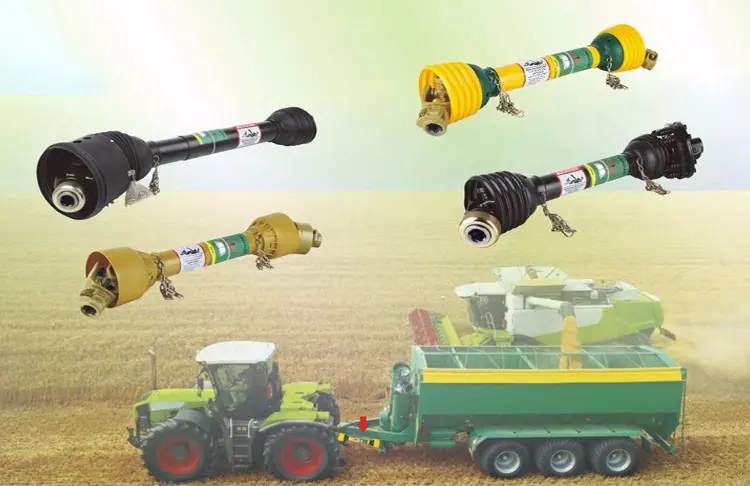
When you're deep into the mechanics of chain-driven systems, the idler sprocket may seem like a minor player, but its performance can make or break the entire setup. High-performance idler sprockets come with a set of defining features that elevate them above standard models. It all starts with precision engineering—these sprockets are designed with meticulous attention to thread pitch and alignment to ensure minimal friction and smooth chain movement. Unlike off-the-shelf parts, they often incorporate advanced materials like forged steel or specialized alloys, which resist wear and deformation under intense stress. This isn't just about durability; it's about maintaining consistent performance even in harsh conditions, something that can prevent costly downtime in industrial applications.
Another standout aspect is their innovative design for noise reduction and heat dissipation. Many high-performance versions include unique tooth profiles or integrated cooling fins that help manage thermal buildup, a common issue in high-speed operations. By reducing heat, they extend the life of both the sprocket and the chain, making them a smart investment for anyone looking to optimize their machinery's efficiency. It's this kind of thoughtful engineering that sets them apart—instead of just a passive component, they actively contribute to a smoother, quieter, and more reliable system.
Lastly, these sprockets often feature customizable options, such as sealed bearings or corrosion-resistant coatings, tailored to specific environments like marine or heavy manufacturing settings. This adaptability means they aren't a one-size-fits-all solution but are crafted to meet the unique demands of different industries. By focusing on features like load distribution and alignment precision, they ensure the chain stays on track, reducing wear and tear over time. In a world where every mechanical part counts, opting for a high-performance idler sprocket can be the difference between a system that barely functions and one that operates at its peak for years.
How to Choose the Right Idler Sprocket for Your Application
Selecting an idler sprocket isn't just about picking a part off the shelf; it's about understanding the unique demands of your machinery. Start by evaluating the load and speed conditions in your setup. Are you dealing with high-torque applications or rapid conveyor systems? The sprocket's size and tooth profile must match these factors to prevent premature wear or failure. Consider the environment too—dusty or corrosive settings might call for materials like stainless steel or specialized coatings to extend lifespan.
Material choice plays a crucial role, often overlooked in quick decisions. While standard steel is common, opting for hardened or plastic variants can reduce noise and friction in sensitive operations. Don't forget the mounting style; a fixed or adjustable idler can make maintenance a breeze or a headache. It's worth consulting with engineers or reviewing past performance data—sometimes, a slight upfront investment in a premium sprocket saves countless hours in downtime repairs.
Finally, think long-term: a well-chosen idler integrates seamlessly with your chain or belt, enhancing overall efficiency. Test different models in pilot runs if possible, and gather feedback from operators who handle daily wear. By tailoring your selection to real-world conditions rather than generic specs, you'll not only boost reliability but also cut operational costs over time.
Innovations in Idler Sprocket Materials and Durability
Recent advancements in idler sprocket design have shifted toward using high-strength alloys and composite materials that offer superior wear resistance and reduced weight. For instance, incorporating boron-steel blends or carbon fiber-reinforced polymers can significantly extend the lifespan of these components, especially in high-load applications like industrial machinery or agricultural equipment. This focus on material science allows for smoother operation and less frequent maintenance, cutting down on downtime and operational costs.
Durability improvements aren't just about the materials themselves; innovative surface treatments and coatings play a crucial role too. Techniques such as plasma nitriding or diamond-like carbon (DLC) coatings provide an extra layer of protection against corrosion and abrasion. These methods ensure that idler sprockets can withstand harsh environments—think dusty construction sites or wet processing plants—without degrading quickly, leading to more reliable performance over time.
Beyond the technical specs, these innovations are reshaping how industries approach maintenance schedules and part replacements. By embracing these newer, tougher materials, companies are seeing fewer unexpected failures and longer intervals between overhauls. This not only boosts efficiency but also supports sustainability efforts by reducing waste from worn-out parts. It's a subtle yet impactful shift that's making idler sprockets a smarter investment for demanding operations.
Streamlining Operations with Custom Wholesale Solutions
Custom wholesale solutions offer a tailored approach to supply chain management, allowing businesses to adapt swiftly to market shifts without the constraints of off-the-shelf models. By integrating specific client needs into the core design, these strategies reduce operational friction and enhance efficiency, from procurement to distribution.
Imagine a system where inventory levels adjust automatically based on real-time sales data, or where packaging is customized to minimize waste and shipping costs. Unlike generic options, these bespoke setups not only cut down on manual oversight but also foster stronger partnerships with suppliers, creating a seamless flow that aligns perfectly with your business objectives.
In practice, this means moving beyond one-size-fits-all logistics to embrace solutions that reflect your unique challenges. Whether it's optimizing bulk orders or streamlining communication channels, a custom wholesale approach transforms complexity into clarity, driving growth through smarter, more responsive operations.
Real-World Applications and Success Stories in Efficiency
Take Tesla's Gigafactories as a prime example. They've managed to slash manufacturing costs per vehicle by over 30% through automation and streamlined supply chains. By integrating AI-driven robotics and real-time data analytics, these facilities produce electric cars at an unprecedented pace, demonstrating how efficiency translates directly into market dominance and sustainable growth.
In the logistics sector, Amazon's route optimization algorithms are a game-changer. By analyzing traffic patterns, weather conditions, and delivery windows, they've cut delivery times by 15% on average. This isn't just about speed; it reduces fuel consumption and carbon emissions, showing that efficiency can drive both profit and environmental stewardship in tandem.
On a smaller scale, consider how a local hospital used process redesign to improve patient flow. By mapping out each step from admission to discharge, they reduced wait times by 40% and increased bed turnover without compromising care quality. This story highlights that efficiency gains aren't limited to tech giants—any organization can achieve tangible benefits by rethinking everyday operations.
FAQ
Idler sprockets help guide and tension chains in mechanical systems, reducing wear and improving power transmission by maintaining optimal alignment and slack control.
Wholesale buying offers cost savings through bulk discounts, ensures consistent supply for maintenance schedules, and allows for customization to fit specific machinery needs.
Important factors include material durability (e.g., steel or polymer), compatibility with chain types, load capacity, environmental resistance, and ease of installation and maintenance.
They can be strategically placed to reroute chains, reduce vibration, and extend the lifespan of drive components, often requiring minimal modifications for retrofitting.
Regular inspections for wear, proper lubrication, alignment checks, and timely replacement of worn parts can prevent breakdowns and maintain efficiency in demanding environments.
Look for established manufacturers with industry certifications, positive customer reviews, and flexible ordering options, often accessible through trade shows, online B2B platforms, or direct partnerships.
Conclusion
In the realm of industrial machinery, idler sprockets play a pivotal role in enhancing system efficiency and reliability. These components, often overlooked, are crucial for maintaining proper tension and alignment in chain-driven systems, as highlighted in the guide titled "Idler Sprockets: Your Ultimate Wholesale Guide for Efficient Solutions." The guide delves into how unlocking the power of idler sprockets can significantly boost productivity in various industrial setups. It emphasizes key features that define high-performance models, such as precision engineering, robust construction, and compatibility with diverse chains. Moreover, the guide offers insights into choosing the right idler sprocket by considering application-specific factors like load capacity, speed, and environmental conditions. Innovations in materials and durability are also explored, showcasing how modern alloys and coatings extend lifespan and reduce maintenance needs.
Beyond technical aspects, the guide underscores the practical benefits of streamlining operations through custom wholesale solutions. By tailoring sprockets to unique requirements, businesses can optimize workflows and cut costs effectively. Real-world applications and success stories illustrate this, demonstrating how industries from manufacturing to logistics have achieved measurable efficiency gains. For instance, case studies reveal reduced downtime and enhanced safety in assembly lines. Overall, this comprehensive resource not only educates on idler sprocket fundamentals but also provides actionable strategies for leveraging them in wholesale contexts, making it an indispensable tool for professionals seeking to elevate their operational performance and competitiveness.
Contact Us
Contact Person: Mr. Shen
Email: [email protected]
Tel/WhatsApp: +86-574-87168065
Website: https://www.transmissions-china.com/