

Micronized Melamine: Top Uses and Advantages
2026-06-27
From plastics to textiles, the quest for safer and more efficient flame retardants never stops. Enter micronized melamine—a fine-particle version of this nitrogen-rich compound that’s quietly transforming fire safety. Whether you’re formulating coatings, foams, or resins, its unique properties offer a compelling blend of performance and environmental friendliness. And when sourced from trusted suppliers like X.X.F.R, you’re not just getting a chemical; you’re gaining a partner in innovation. In this post, we’ll explore the top uses and key advantages that make micronized melamine a standout choice.
What Makes Micronized Melamine Ideal for High-Performance Coatings
The real advantage of micronized melamine lies in its exceptionally small particle size, which allows for smoother dispersion within coating formulations. Unlike standard melamine, the micronized version integrates seamlessly with resins and binders, improving the overall film uniformity. This means fewer surface defects, better flow, and a more consistent finish that stands up to visual scrutiny—critical for architectural or automotive applications where aesthetics are non-negotiable.
Beyond just looks, this material acts as a highly effective crosslinking agent. When cured, it forms a dense molecular network that locks the coating matrix tightly together. The result is dramatically enhanced hardness and durability, even under abrasive conditions. Plus, its rapid crosslinking behavior doesn’t just speed up production—it also ensures the coating resists scratches, chemical spills, and moisture intrusion far better than many alternatives.
Another underappreciated quality is its thermal stability. Micronized melamine retains its structural integrity at temperatures that would degrade other additives, which becomes crucial in high-heat or bake-on finishes. This resilience translates into long-term gloss retention and color stability, keeping surfaces looking new after repeated UV exposure or thermal cycling. It’s that blend of immediate processing benefits and enduring performance that sets it apart in demanding coating systems.
Enhancing Flame Retardancy in Plastics and Textiles
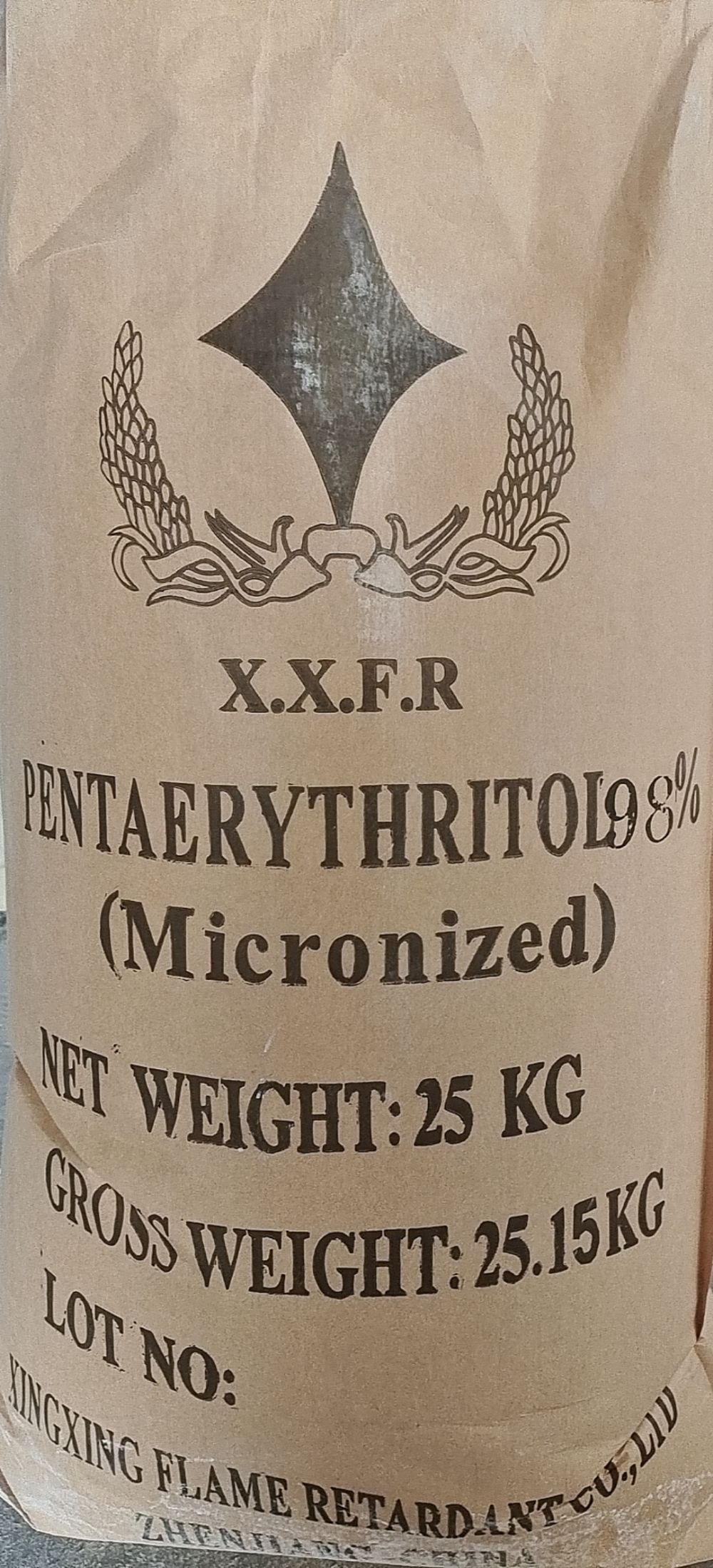
Flame retardants play a dual role in plastics and textiles, balancing safety with material performance. In plastics, they interrupt the combustion cycle by releasing inert gases or forming a protective char layer, effectively slowing heat release and smoke generation. For textiles, especially those used in upholstery or protective gear, retardants penetrate fibers to prevent ignition and limit flame spread, all while striving to maintain the fabric's breathability, texture, and color vibrancy.
The selection of flame retardant additives depends heavily on the base polymer or fiber type. For polyolefins like polypropylene, phosphorus-based systems often provide high efficiency at low loadings, while intumescent coatings expand under heat to create an insulating barrier. In natural fibers such as cotton, durable finishes like Proban or Pyrovatex form covalent bonds with cellulose, ensuring wash resistance without compromising the soft hand feel. Recent shifts toward halogen-free solutions address environmental concerns, as older brominated compounds face stricter regulations due to their persistence and potential toxicity.
Testing and real-world validation remain critical. Standards like UL 94 for plastics and NFPA 701 for textiles guide formulation development, but actual performance can vary with thickness, density, and end-use conditions. Incorporation of synergists—such as antimony trioxide with halogens or nitrogen compounds with phosphorus—often unlocks higher levels of protection at lower cost. Ongoing research explores bio-based alternatives, nanocomposites, and surface grafting techniques that promise safer, more durable fire resistance without sacrificing the mechanical or aesthetic qualities that define modern materials.
How Micronized Melamine Improves Concrete and Construction Materials
Micronized melamine acts as a highly effective dispersant in concrete mixes, breaking down clusters of cement grains into finer particles. This allows for a more uniform paste that flows easily without requiring extra mixing water, which in turn reduces the risk of weak spots and shrinkage cracks. Contractors notice smoother pumping and placement, even in congested reinforcement areas.
Beyond workability, this admixture contributes to long-term durability. By enabling a lower water-to-cement ratio while maintaining fluidity, it produces denser, stronger concrete that better resists moisture, chlorides, and freeze-thaw cycles. Structures built with micronized melamine—from bridge decks to precast elements—often show measurable gains in compressive strength and a longer service life with less maintenance.
In specialty applications like self-consolidating concrete or architectural finishes, micronized melamine helps achieve consistent surface quality and sharp casting details. Its fine particle size ensures rapid distribution throughout the mix, making batch adjustments more predictable and reducing the likelihood of segregation. This reliability streamlines quality control and supports more ambitious concrete designs.
Boosting Durability in Laminates and Wood Adhesives
Achieving long-term resilience in laminated surfaces and bonded wood joints starts with a thoughtful approach to material compatibility. When the adhesive film can accommodate the natural expansion and contraction of wood fibers, stress at the glue line drops sharply. This means selecting formulations that cure to a slightly flexible state rather than a brittle one, especially for outdoor furnishings or flooring that face daily humidity swings.
Pretreating bond surfaces also plays a surprisingly large role. A light sanding or chemical etch can open up the wood’s cell structure, giving the adhesive more anchor points. Paired with a controlled clamp time and temperature, these small tweaks turn a good joint into one that laughs off decades of use.
The Role of Micronized Melamine in Molded Products and Composites
Micronized melamine is a finely ground version of melamine formaldehyde resin, typically with particle sizes below 15 microns. When added to molded products or composite formulations, it disperses evenly throughout the matrix, acting as a reinforcing filler that doesn't compromise flow characteristics. Its primary role is to increase the crosslink density during curing, which leads to a harder and more durable finished part. Unlike coarser fillers, micronized melamine introduces minimal stress concentrations, which helps maintain the integrity of thin-walled or intricate moldings.
In composites, especially those based on phenolics, epoxies, or unsaturated polyesters, micronized melamine boosts thermal stability and reduces flammability by char formation and nitrogen release at high temperatures. It also improves surface quality by migrating slightly to the surface during molding, filling micro-voids and creating a smoother, more scratch-resistant finish. Manufacturers often use it at loadings ranging from 5 to 30 percent by weight, adjusting the ratio to balance stiffness, impact resistance, and processing viscosity. The powder's high nitrogen content (over 60 percent) contributes to its flame-retardant synergy when combined with phosphorus additives.
Processing benefits are equally important. Because micronized melamine acts as a solid but reactive component, it can replace a portion of the resin without significantly raising the melt viscosity, enabling easier mold filling. It also reduces cycle times in some systems by accelerating the cure reaction. In applications like appliance knobs, automotive under-hood components, and electrical insulators, the addition of micronized melamine results in parts that withstand repeated mechanical stress and chemical exposure better than those made with conventional fillers alone.
Sustainable Formulations: Micronized Melamine in Eco-Friendly Applications
Micronized melamine is redefining the way industries approach sustainable material design, particularly in sectors where high-performance and low environmental impact must coexist. By reducing melamine particles to a fine, uniform powder, formulators unlock a greater surface area that enhances reactivity, dispersion, and bonding efficiency. This allows for significantly lower loading levels in applications like crosslinking agents, flame retardants, and hardeners, directly cutting raw material consumption and waste. In wood adhesives and decorative laminates, for instance, micronized melamine boosts resin durability without relying on excessive formaldehyde-based additives, aligning with stricter emission standards and green building certifications.
Beyond conventional uses, the fine particle size opens doors to novel eco-friendly formulations, such as waterborne coatings and biodegradable composite films. The improved dispersion ensures homogeneous film formation, replacing traditional solvents and reducing volatile organic compound emissions. In intumescent fire-protective systems, micronized melamine serves as an efficient blowing agent, promoting char formation that insulates substrates with thinner, lighter coatings. These advances not only conserve resources but also extend product lifecycles, a key principle of circular economy thinking. Manufacturers are now exploring its role in bio-based polyurethane foams and recyclable laminates, where the micronized powder acts as a reactive compatibilizer that maintains integrity even after multiple reprocessing cycles.
The shift toward micronized melamine also reflects a broader move to process intensification and energy savings. Its high reactivity permits faster curing at lower temperatures, cutting energy demands in manufacturing. Combined with its inherent nitrogen-rich structure that contributes to char yield in flame-retardant applications, the material helps meet safety standards without halogenated or phosphorous-based chemicals that carry toxicity concerns. As industries strive to decouple performance from ecological footprint, micronized melamine stands out as a multifunctional tool—simplifying complex formulations, minimizing additives, and enabling cleaner production lines from start to finish.
FAQ
Micronized melamine is simply melamine that has been ground down to a much finer particle size than the standard powder. This smaller, more uniform particle size allows it to disperse better and integrate more smoothly into different materials, which isn't always possible with coarser, regular melamine.
The coatings industry is a major user, especially for producing high-gloss and scratch-resistant paints. It's also heavily leaned on in the laminate and wood panel sector for durable surfaces, and in flame retardant manufacturing where even distribution is crucial. You'll also find it in some adhesives and textiles.
In coatings, it really boosts surface hardness and chemical resistance without compromising clarity or gloss. The fine particles create a smoother, more uniform film, which leads to better scratch protection and keeps the finish looking new for longer.
When used in the overlay or the core of laminates, it enhances resistance to abrasion, heat, and moisture. Because the particles are so tiny, they pack together tightly, forming a denser, tougher surface that holds up well under daily wear and tear.
It acts as a nitrogen-based flame retardant that dilutes combustible gases and helps form a protective char layer when things heat up. The micronized form distributes more evenly throughout the material, so you get consistent fire protection without weak spots.
Absolutely, its fine texture makes it easier to meter and mix in automated systems. It also tends to produce less dust segregation during transport and blending, which means a cleaner working environment and more consistent batch quality.
It can help reduce volatile organic compound (VOC) emissions in some coating formulations by enabling higher solids content. Plus, by improving durability, products last longer and need less frequent replacement, which cuts down on waste over time.
They need to pay attention to dispersion techniques to avoid agglomeration. While it mixes in easily, high-speed stirring or appropriate milling may still be required to unlock its full potential. Also, managing static electricity during handling can be important due to the fine particle size.
Conclusion
Micronized melamine has quietly become a go-to additive in industries that demand both performance and reliability. Its ultra-fine particle size, typically below 15 microns, allows it to disperse evenly in coatings, dramatically boosting scratch resistance, gloss, and chemical durability without compromising clarity. In high-performance paints and varnishes, this fine powder acts as a crosslinking agent that cures into a hard, thermoset network—offering a finish that withstands harsh weather and frequent cleaning. The same dispersion advantage extends to plastics and textiles, where micronized melamine serves as a highly effective, halogen-free flame retardant. When blended into polymers or fabric back-coatings, it decomposes endothermically and releases inert nitrogen gases that dilute flammable volatiles, enabling materials to meet stringent fire safety standards without heavy metal oxides.
Beyond surface protection and fire resistance, micronized melamine proves its worth in construction and wood-based products. In concrete admixtures, it functions as a superplasticizer, reducing water demand while enhancing workability and early strength—helping crews achieve denser, more durable pours. For laminates and wood adhesives, its incorporation means higher bond strength and moisture resistance, critical for kitchen countertops and flooring that face daily wear. Molded products and composites also benefit: the powder acts as a processing aid and reinforcing filler, improving surface smoothness, dimensional stability, and heat deflection in automotive and appliance parts. Increasingly, formulators are tapping its potential in eco-friendly systems—micronized melamine can be part of low-VOC or bio-based resin blends, lowering environmental impact without sacrificing the toughness that engineers expect. Together, these uses underscore a material that punches above its weight, delivering advantages that ripple from the factory floor to the finished product.
Contact Us
Contact Person: Guohua Wang
Email: [email protected]
Tel/WhatsApp: 8613003442895
Website: https://www.xxflameretard.com