

New Type LLLT Laser Therapy: Effective Pain Relief Without Drugs or Surgery
2026-07-11
Imagine easing chronic pain without swallowing a single pill or going under the knife. That's the promise of a new type of low-level laser therapy (LLLT), a non-invasive approach that's quietly reshaping how we treat discomfort. Unlike traditional methods that often come with side effects or lengthy recovery, this cutting-edge technology uses targeted light to stimulate healing from within. At the forefront of this innovation is GUANG TAI, delivering a solution that's both gentle and remarkably effective. But how exactly does light become a tool for pain relief, and what makes this therapy different from what you've tried before? Stay with us as we dive into the science and success stories behind this breakthrough.
Decoding the New Type LLLT: How It Differs
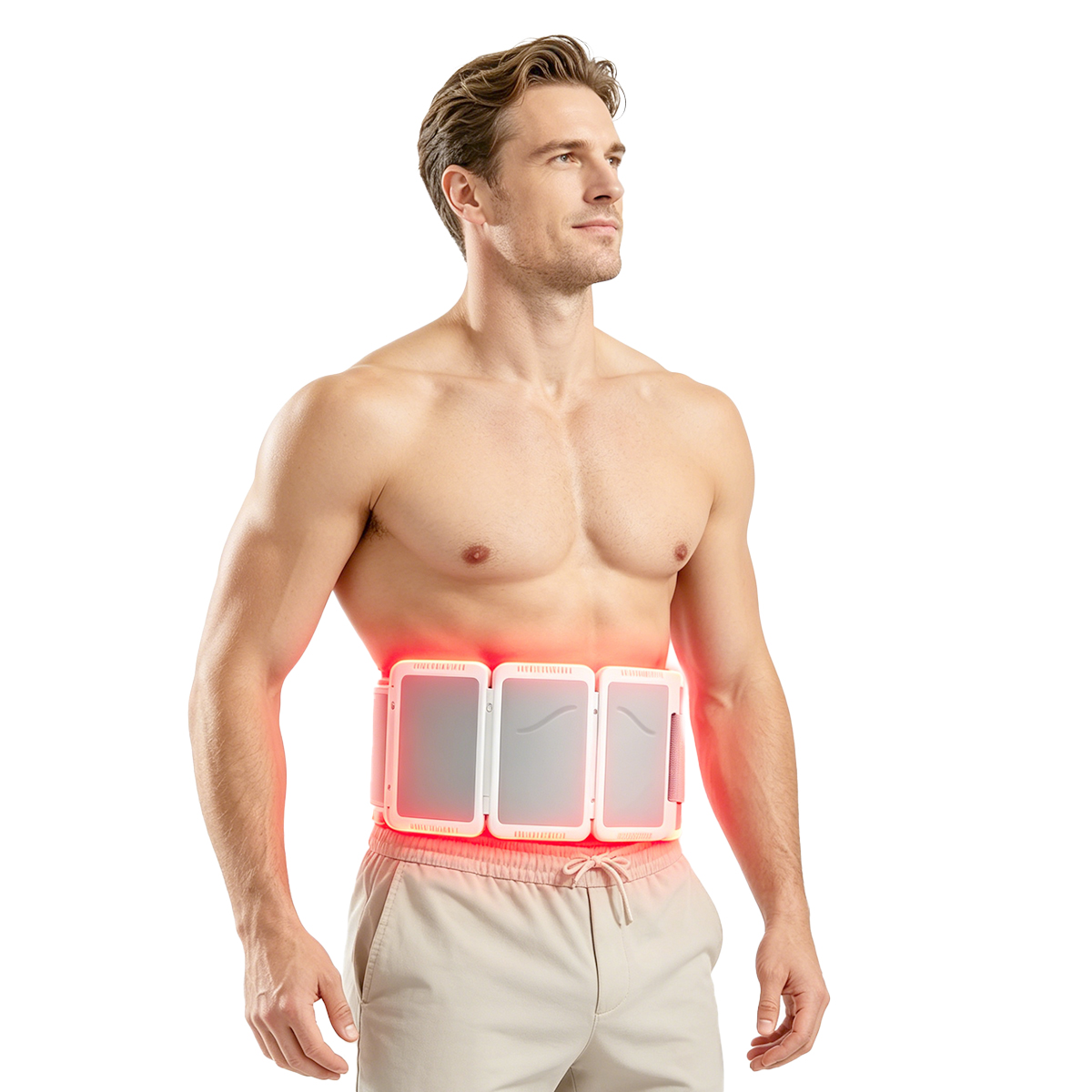
Low-level laser therapy has quietly shifted from a niche wellness trend to a more sophisticated at-home tool, but the newest wave of devices isn't just a minor upgrade—it’s a fundamentally different approach. Instead of relying on a handful of scattered diodes, these next-gen units use densely packed arrays of medical-grade lasers and LEDs, often combining multiple wavelengths in a single treatment window. The shift isn’t cosmetic; it changes how energy penetrates tissue, moving from a surface-level “sparkle” to a deeper, more uniform photobiomodulation effect that targets cellular function rather than just surface stimulation.
What really sets the new type apart is the introduction of pulsed wave modes and intelligent skin contact sensors that adjust output in real time. Older devices typically emit a steady, continuous beam—effective to a point, but prone to rapid habituation at the cellular level. By pulsing the light at specific frequencies (often 10 Hz to 40 Hz), the therapy circumvents this desensitization, while also improving light penetration through reflective layers in the scalp or tissue. Some advanced devices now use a dual‐phase modulation that mimics the body’s own microcirculatory rhythms, making the treatment feel less like a clinical procedure and more like a biological nudge.
Beyond hardware, the real divergence lies in the treatment philosophy. Earlier LLLT marketed itself as a spot-treatment wonder—targeting hair follicles, wrinkles, or joint pain in isolation. The new type leans into systemic benefits: by covering larger areas and integrating timed, patterned delivery, it aims to stimulate mitochondrial repair cascades that influence inflammation, circadian alignment, and even neurological stress responses. This broader target zone means the device you buy for a scalp concern might also improve your sleep quality or post-workout recovery. It’s a quiet but radical shift—from a single-issue gadget to a multi-modal instrument that borders on environmental medicine, just without any of the sterile, clinical trappings.
The Mechanism: Using Light to Calm Nerves
When light enters the eye, it doesn’t just form images—it also triggers a cascade of non-visual responses deep in the brain. Specialized retinal cells detect specific wavelengths and send signals directly to the hypothalamus and brainstem, regions that govern our emotional state and physiological arousal. This pathway bypasses the slower, analytical parts of the cortex, meaning light can almost instantly shift the nervous system from a state of alertness to one of calm. The mechanism relies on the interplay between light-sensitive proteins and neural circuits that modulate the release of neurotransmitters like serotonin and GABA, essentially telling the body it’s safe to relax.
What makes this process particularly elegant is how it engages the parasympathetic branch of the autonomic nervous system—the “rest and digest” mode. Soft, warm-toned light with reduced blue content appears to stimulate the release of melatonin earlier in the evening while simultaneously dampening the activity of the amygdala, the brain’s fear center. As the amygdala quiets down, heart rate slows, muscle tension eases, and cortisol levels begin to drop. It’s not just about dimming brightness; it’s about shifting the spectral composition of light to mirror the signals of a setting sun, which our biology has long associated with the end of the day’s threats and the beginning of restoration.
Remarkably, this isn’t a slow, cumulative effect—it can happen within minutes of exposure. The retinal cells involved don’t adapt quickly, so the calming signal remains as long as the appropriate light is present. This explains why a short walk in the late-afternoon sunlight or a few minutes under a carefully designed warm lamp can feel so immediately soothing. The nerves themselves are not being sedated but rather guided into a natural state of balance by a signal that predates modern medicine by millions of years. Understanding this mechanism opens up practical, drug-free ways to manage stress simply by being more intentional with the light we surround ourselves with.
Pain Conditions That Respond Instantly
Some pain strikes hard, but it can also vanish just as quickly when the right trigger is addressed. Nerve-based discomforts, like the sharp jolt from a sudden muscle spasm or the fleeting sting of a pinched nerve that releases itself, often disappear almost instantly with a simple repositioning or a gentle stretch. It's that immediate release you feel when the body corrects itself—no lingering ache, just a swift return to normal.
Then there are those acute incidents, like a sudden tension headache that dissolves within moments of stepping into a dark, quiet room or a joint pain that ceases the exact second you pop it back into place. These aren't chronic battles; they're physical glitches that the body can reset on its own. The relief is so fast it’s almost surprising, leaving you wondering why the pain was even so intense to begin with.
Trigger point pains also fall into this quirkily responsive category. When you press into a stubborn knot in your muscle and that referred pain elsewhere abruptly stops, it feels like hitting a hidden off switch. In these cases, the pain isn't a lingering visitor—it's a distress signal that the body can silence almost immediately once the right spot is reached.
Drug-Free Relief: Why It Matters
When discomfort strikes, the instinct to reach for a pill is almost automatic. We’ve been conditioned to believe that fast relief comes in a bottle. But more people are questioning the long-term cost of that quick fix. Dependency, side effects, and a body that slowly loses its ability to heal itself are real concerns. Opting for drug-free relief isn’t just about skipping a prescription; it’s about reclaiming your body’s natural capacity to recover and bounce back without the fog of medication.
The shift toward non-pharmaceutical methods often unearths surprising benefits that go beyond the initial complaint. Techniques like targeted movement, breath work, or cold exposure don't simply mask pain; they retrain your nervous system and improve circulation in ways drugs rarely can. Suddenly, a headache isn’t just an annoyance to silence—it becomes a signal to hydrate or step away from a screen. This kind of awareness builds resilience, turning each minor ache into an opportunity to listen to your body rather than override it.
Of course, this doesn't mean tossing out every medication in your cabinet. Acute emergencies and certain conditions demand medical intervention. But for the everyday strains, sleeplessness, and stress-induced tension that plague modern life, drug-free alternatives offer a return to a more intuitive state of being. The real value lies in the freedom from reliance, the clarity of mind that comes with knowing you can manage discomfort on your own terms, and the quiet confidence that your well-being isn’t held captive by a daily dose.
A Walkthrough of Your First Session
Stepping into your first session can feel a bit like entering a room where you're not quite sure of the furniture layout. The initial moments are all about settling in—finding a comfortable position, taking a deep breath, and letting the space become familiar. Your guide or instructor may begin with a simple check-in, asking how you’re arriving today, both physically and mentally. This isn't a test; it’s just a gentle starting point that helps tailor the experience to where you truly are, not where you think you should be.
From there, the session usually unfolds in layers. You might be invited to close your eyes and tune into something specific, like the rhythm of your own breathing or the subtle sensations in your hands. It’s common for the mind to dart around like a squirrel at first, and that’s completely normal. The practice isn’t about silencing those thoughts; it’s about noticing them without getting tangled up. Every quiet prompt or moment of guidance is there to support your awareness, not to judge it.
As the session winds down, there’s often a transition back to the ordinary world. Sounds may come back into focus, and you’ll likely be offered a pause to simply rest in whatever you’re experiencing. Some people feel deeply relaxed, others a bit restless—either way, it’s all valid. The real gem is in carrying this sense of gentle presence off the cushion and into the next part of your day, one small, unforced moment at a time.
Real Stories: From Chronic Pain to Freedom
For years, I woke up every morning feeling like my joints were wrapped in sandpaper. The stiffness and throbbing in my knees and hands made even simple tasks—making coffee, buttoning a shirt—feel monumental. Doctors offered a revolving door of medications, each with its own fog of side effects, but nothing truly touched the core of the pain. It wasn’t until I stopped searching for a miracle pill and started piecing together small, consistent shifts—gentle movement, an anti-inflammatory diet, and stress-management—that the fog began to lift. I won’t pretend it was a straight line; there were flares that sent me back to square one more times than I can count. But each time, I got a little better at listening to my body instead of fighting it, and that made all the difference.
Hearing someone else’s story was what first gave me hope that chronic pain didn’t have to be a life sentence. I remember watching a video of a woman describing how she reclaimed her mornings from migraines—not by eliminating them entirely, but by revamping her sleep routine and learning her early warning signs. That idea clicked: maybe freedom wasn’t the absence of pain, but the ability to respond to it with something other than desperation. I started tracking my own patterns, and slowly, the power dynamic shifted. Pain was no longer an unknown tyrant; it became a signal I could interpret, even if I couldn’t always silence it.
These days, my relationship with my body is more of a negotiation than a war. I still have uncomfortable days, but they don’t define my entire identity. I’ve reclaimed the simple joys—playing catch with my dog, tending to my garden, laughing without bracing for the ache. Real stories like mine don’t end with a dramatic cure; they’re about incremental victories and the quiet resilience of learning to live fully alongside discomfort. If you’re in the thick of it right now, please know that the path isn’t always visible, but it’s there, paved by countless others who found their way through.
FAQ
Low-level laser therapy, often called cold laser, uses specific light wavelengths to stimulate healing in damaged tissues. It's non-invasive and doesn't generate heat, so there's no risk of burns.
Unlike medication or surgery, this advanced LLLT approach targets pain at the cellular level by boosting ATP production and reducing inflammation. There are no side effects like those from drugs, and recovery isn't required.
It works well for chronic joint pain, arthritis, tendonitis, muscle strains, and even neuropathy. Many people with back or neck issues find significant relief after a few sessions.
Not at all. Most patients feel nothing during the session, or maybe a gentle warmth. It's completely comfortable and many actually find it relaxing.
Some feel improvement right after the first treatment, but optimal results usually build over a series of sessions. Acute injuries might heal faster, while chronic conditions could take a few weeks.
When administered properly, it's extremely safe. Occasionally someone might experience temporary mild soreness, but that's rare and short-lived. There's no downtime—you can resume normal activities immediately.
Yes, numerous studies support its effectiveness for pain relief and tissue repair. It's been used in physical therapy and sports medicine for years, and newer devices have improved precision.
It varies by condition and individual response. Typically a plan involves 6 to 12 sessions, spaced a few days apart. Your provider will tailor it to your specific needs.
Conclusion
This new type of low-level laser therapy (LLLT) marks a genuine shift in pain management, moving far beyond the superficial heat and temporary relief that older devices often deliver. Unlike traditional infrared lamps or basic LED pads, the core innovation lies in a precisely calibrated wavelength and pulsed emission pattern that penetrates deep into inflamed tissues without any thermal sensation. The light works on a cellular level, stimulating cytochrome c oxidase within the mitochondria to boost ATP production and accelerate repair, while simultaneously calming hyperactive nerve endings. It essentially resets the pain signaling loop, reducing substance P and dampening the exaggerated excitability that keeps chronic discomfort cycling. The experience is passive and gentle—most patients feel nothing more than a mild, soothing warmth—yet after even the first session, conditions like arthritic knees, frozen shoulder, stubborn back pain, and fibromyalgia flare‐ups often show a marked drop in pain scores. Because it is entirely drug‐free, there is no risk of addiction, stomach damage, or drug interactions, making it a safe option for the elderly, pregnant women, and anyone who has been told they must simply live with their pain.
In a typical first session, a small handheld applicator is placed directly on the skin over the problematic area, and the therapist may target specific nerve trunks or trigger points. The treatment itself lasts from a few minutes to about half an hour, depending on the size of the zone. Afterwards, people frequently describe a quieting of the constant background ache, as if the nervous system has finally been allowed to exhale. This isn’t about masking symptoms; it’s about restoring normal neurophysiology. Real stories from clinics show former runners returning to gentle jogging, grandmothers playing with their grandchildren again, and office workers freed from a decade of tension headaches—all without a single pill or surgical incision. The beauty of this new LLLT is that it respects the body’s own healing intelligence, simply giving it a nudge with light when it gets stuck in a chronic pain loop. For those who have tried everything and lost hope, this technology opens a door that doesn’t require choosing between risky procedures and silent suffering.
Contact Us
Contact Person: Leon Yi
Email: [email protected]
Tel/WhatsApp: +86 17363316873
Website: https://zzgt.en.alibaba.com/