
OEM Metal Bins: The Ultimate Guide to Custom Industrial Storage Solutions
2026-07-27
When standard storage solutions just don’t cut it, custom OEM metal bins step in to organize chaos. From heavy-duty industrial parts to delicate components, the right bin can transform your workflow. In this guide, we’ll explore how tailored metal storage from experts like Lanyuda can boost efficiency—and what to consider before you invest.
Why Off-the-Shelf Bins Fail and How Custom Metal Fabrication Solves It
Off-the-shelf bins often seem like a quick fix, but they rarely hold up under real-world demands. Standard sizes force you to adapt your workspace or product flow to the container, not the other way around. Shelves go unused, awkward gaps appear, and workers waste time maneuvering items that don’t quite fit. Even worse, the materials might not suit your environment—powder-coated steel that chips and rusts in a washdown area, or thin plastic that warps near a heat source. These mismatches lead to constant replacement, unexpected downtime, and safety hazards that a generic bin simply wasn’t designed to handle.
Custom metal fabrication flips the script by letting you design bins around your specific operation. Instead of settling for “close enough,” you get exact dimensions that maximize storage density, ergonomic access, and compatibility with conveyors, racks, or robotic systems. Material choice becomes a deliberate decision: stainless steel for corrosive washdowns, heavy-gauge carbon steel for extreme loads, or aluminum for lightweight maneuverability. Reinforcements, drain holes, stacking lugs, or any other feature can be integrated from the start. The result is a bin that not only lasts longer but also simplifies workflows, cuts down on handling damage, and pays for itself by eliminating the cycle of constant repairs and replacements.
Decoding Material Choices: Stainless, Galvanized, or Carbon Steel for Your Workflow
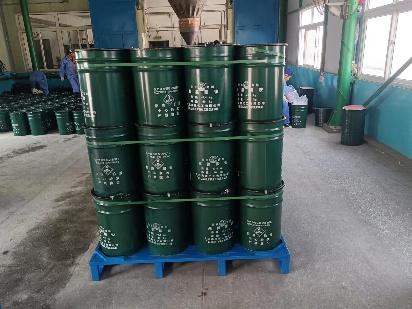
Selecting the right steel for your project isn't just about picking a metal—it's about aligning material properties with the demands of your workflow. Stainless steel offers corrosion resistance that shines in wet or sterile environments, but its higher cost and weight might slow you down if those traits aren't essential. Galvanized steel gives you a solid middle ground, with a protective zinc layer that fights rust without the premium price tag. Then there's carbon steel, raw and rugged, prized for its strength and machinability, yet vulnerable to oxidation if left unprotected. The trick is to map these characteristics onto your daily operations: where will the material live, what stresses will it endure, and how much time can you invest in maintenance?
Often, the deciding factor comes down to the hidden costs of your choices. A stainless component might survive decades in a damp food-processing line with minimal upkeep, while a carbon steel equivalent could require coatings or regular replacement, adding labor and downtime. Galvanized parts, on the other hand, excel in structural applications where exposure is moderate but budgets are tight. Don't overlook fabrication needs either—stainless can be tough on tooling, and galvanized coatings demand care when welding to avoid toxic fumes. By auditing the full lifecycle, from installation through end-of-life disposal, you uncover which material truly streamlines your workflow instead of creating new headaches.
Sometimes the best choice defies conventional logic. A shop might intentionally use unprotected carbon steel for jigs that need a bit of controlled surface rust to enhance grip, or swap to stainless only in high-contact zones to balance cost and functionality. Similarly, mixing materials within a single system can optimize both performance and longevity—think galvanized structural frames with stainless fasteners in corrosion hotspots. The goal is to treat material selection as an evolving experiment: track wear patterns, gather feedback from the crew, and stay open to adjusting specifications as your workflow evolves. That hands-on, iterative approach often reveals insights that datasheets never could.
Tailored Dimensions and Reinforcements: Designing Bins Around Your Parts, Not the Other Way Around
Why force your parts to fit standard bins when you can create storage that matches their exact shape and weight? By starting with the components themselves, every dimension—from the width of a slot to the depth of a drawer—is built to cradle your items precisely. This approach eliminates wasted space, reduces shifting during transport, and prevents damage from ill-fitting containers. It’s a shift in perspective that puts your product first, not the packaging catalog.
Reinforcements are integrated where your parts need them most, not where a generic design assumes they should go. If a heavy motor assembly exerts stress on a specific corner, extra ribs or a double-wall structure is molded right into that zone. Lightweight areas, conversely, shed unnecessary bulk, keeping the bin efficient without compromising protection. The result is a lean, purpose-built container that feels custom because it is—engineered from the inside out.
This method also streamlines your workflow. Instead of adapting assembly line layouts to stock bin footprints, your bins adapt to your process. Handles can be positioned for natural grip points based on how and where operators actually lift. Stacking features are designed around the balance of the loaded part, eliminating wobble. When the storage solution is a direct reflection of the component it holds, you gain consistency in handling, quicker retrieval, and a system that simply makes sense for the people using it every day.
Integration Beyond Storage: Bins That Sync with Conveyors, AGVs, and Robotic Systems
Modern smart bins have evolved far beyond static containers. Equipped with embedded sensors and connectivity modules, they actively communicate with conveyor systems to coordinate the flow of materials, ensuring that items arrive precisely when and where they are needed. This real-time synchronization eliminates bottlenecks and manual handoffs, creating a seamless dance between storage and transport within the facility.
When paired with autonomous guided vehicles (AGVs), these bins transform into nodes of a dynamic grid. An AGV can be automatically dispatched to collect a bin once it reaches a predefined fill level or at a scheduled time, then navigate to a packing station or assembly line. The bin, in turn, confirms its position and contents, enabling just-in-time delivery without human intervention and drastically reducing idle times on the factory floor.
Integration with robotic arms takes precision to another level. Bins can signal their exact orientation and content layout to a nearby robot, which then uses this data to pick items with accuracy. After retrieval, the bin updates inventory counts instantly, closing the loop between physical stock and digital records. This deep interoperability turns storage into a proactive force that drives efficiency across the entire production ecosystem.
Sweating the Small Stuff: Coatings, Drains, and Ergonomic Features That Boost Daily Efficiency
It's easy to overlook the tiny details that make a workspace function seamlessly, but these elements often have the greatest impact on how smoothly a day runs. Consider the surface of a lab bench or a prep table: a coating that resists chemicals, scratches, and stains doesn't just preserve the look of the furniture—it saves the minutes spent scrubbing or the expense of early replacement. In food processing areas, drains that quietly whisk away debris without clogging or emitting odors mean fewer interruptions and a safer environment. These aren't glamorous upgrades, but they steadily chip away at the friction that slows down daily tasks.
Ergonomic touches are another silent workhorse. A handle angled just so, a shelf placed at a natural reaching height, or a chair that adjusts without a wrestling match—each reduces strain and keeps focus where it belongs. When a workspace is molded to the human form instead of the other way around, the energy that would have been wasted on discomfort becomes available for real work. It's the difference between ending the day drained and ending it accomplished.
The most effective facilities don't just bolt on these features; they weave them into the design from the start. A drain that slopes exactly right, a coating that needs no special maintenance, a workstation that anyone can use without thinking—all of it adds up to a place that hums along without drawing attention to itself. That's the mark of thoughtful engineering: invisibility at first glance, but a profound effect on the pace and quality of the work.
Partnering for Production: How a Collaborative OEM Approach Accelerates Delivery and Cuts Tooling Costs
Shifting from a traditional buyer-supplier dynamic to a true production partnership rewrites the rules of speed and spending. When OEMs bring their expertise to the table during early design phases, potential manufacturing snags are spotted before they become costly delays. Instead of tossing finalized specs over the fence and hoping for the best, collaborative teams iterate together, refining part geometry, material choices, and process flows in real time. This tight loop eliminates the back-and-forth that often stretches lead times by weeks.
Tooling costs, often a hidden budget eater, shrink noticeably under this shared approach. Joint design reviews tap into the OEM’s deep knowledge of production realities, allowing for inventive workarounds like modular molds or standardized components that slash fabrication expenses. Rather than each party guarding their own playbook, a transparent exchange of data and know-how uncovers opportunities to simplify tooling without sacrificing quality. The result is a leaner bill of materials and a faster path from CAD file to first shots.
Beyond the immediate savings, this model builds a resilience that conventional sourcing struggles to match. Trust, cultivated through open communication and shared problem-solving, means that when surprises hit—a resin shortage, a last-minute design tweak—the response is swift and coordinated. Deliveries stay on track not because of rigid contracts, but because both sides have a vested stake in a smooth production run. In an industry where time truly is money, partnering for production isn’t just a feel-good strategy; it’s a quantifiable competitive advantage.
FAQ
OEM metal bins are custom-made storage units designed specifically for a company's unique operational needs, as opposed to off-the-shelf containers. They can be built to exact dimensions, load capacities, and feature specifications, offering a tailored fit that maximizes space utilization and efficiency in industrial settings.
Industries like automotive manufacturing, warehousing, logistics, heavy machinery, and aerospace frequently rely on these bins. Any sector that handles large or irregularly shaped parts, needs rugged containers for harsh environments, or requires integration with automated systems can significantly benefit from the custom approach.
The decision hinges on the specific application. Steel is the go-to for heavy-duty use because of its exceptional strength and lower cost, while aluminum is preferred when lighter weight, corrosion resistance, or frequent handling is a priority. We often see customers choosing aluminum for clean rooms or marine environments, while steel dominates in foundries and stamping plants.
Absolutely, that's one of their biggest advantages. During the design phase, precise measurements are taken to ensure the bins seamlessly integrate with your current infrastructure—for example, bases can be configured for racking systems, and runners can be added to glide onto gravity conveyors. This kind of backward compatibility can save a lot of headaches.
Things like drop-down access doors for easier loading, fork pockets placed at specific angles for better forklift handling, and anti-slip rubber linings to protect both the bin and its contents. Even adding a simple drain plug for outdoor storage or wash-down applications can make a huge difference in day-to-day usability.
Thicker gauge steel will naturally withstand more abuse, resist warping, and extend the bin's service life—especially in demanding environments. But it's a balancing act: going too thick can add unnecessary weight and cost. We help calculate the optimal thickness based on the static and dynamic loads the bin will face, ensuring safety without over-engineering.
It usually starts with a consultation to understand your needs, followed by 3D modeling and approval of the design. Prototypes are often made for testing, and after any tweaks, the full production run begins. Lead times can vary, but expect anywhere from 6 to 12 weeks from final approval to delivery, depending on complexity.
Regular inspections for rust or structural damage are key, especially in outdoor or chemical environments. Touch up any paint chips promptly, lubricate hinges and latches, and avoid exceeding the rated capacity. If coated surfaces start wearing thin, consider having them professionally re-finished—it's much cheaper than replacing the entire bin.
Conclusion
Off-the-shelf bins rarely hold up under real production demands—they crack, corrode, or simply don’t fit the parts they’re meant to protect. Custom OEM metal bins flip that script by letting you dictate dimensions, reinforcements, and even the steel grade. Whether it’s 304 stainless for washdown areas, galvanized for outdoor durability, or carbon steel for heavy loads, the material is matched to your actual workflow, not a catalog guess. The result is a bin shaped around your largest component, with just the right wall thickness and gussets in stress zones, so you’re not padding dunnage or wasting floor space on a “close enough” box.
But storage is only half the story. These bins can be designed to integrate directly with conveyors, AGVs, and robot cells, with locator pins, fork pockets, or hoist points baked into the frame from day one. Small details make a massive difference in daily use, too—drains that prevent standing water, anti-corrosion coatings that survive years of harsh chemicals, and ergonomic lids or handles that reduce strain on your team. Working closely with a collaborative OEM partner streamlines everything from prototyping to launch, often cutting tooling expenses through smart, repeatable fabrication methods while slashing lead times that traditional supply chains can’t touch.
Contact Us
Contact Person: Johnny
Email: [email protected]
Tel/WhatsApp: +86 18151010686
Website: https://lydstorage.com