

PE Cool Feeling Yarn Export: Essential Strategies for Sourcing Premium Yarn Globally
2026-07-01
When it comes to sourcing premium PE cool feeling yarn on a global scale, the landscape can be overwhelming. Yet, for those in the know, the secret to consistent quality and innovation lies in partnering with the right suppliers—like Changshu Polyester. This blog unpacks the export strategies that separate industry leaders from the rest, revealing how to navigate the complexities of the international yarn market while securing materials that keep your fabrics cool, comfortable, and ahead of the curve.
Unlocking the Cooling Mechanism: What Sets PE Yarn Apart
Polyethylene (PE) yarn possesses an inherent ability to dissipate heat rapidly, a trait that stems from its molecular structure and low thermal resistance. Unlike many synthetic fibers that trap heat, PE yarn allows body heat to escape while wicking moisture away from the skin. This dual-action mechanism creates a cooling sensation that is particularly beneficial in high-temperature environments or during physical exertion.
The secret behind the cooling power of PE yarn lies in its high thermal conductivity, which ensures that heat doesn't build up against the body. The material actively moves warmth outward, leaving a fresh, dry feel that traditional cotton or polyester blends struggle to match. This makes PE yarn an exceptional choice for applications where prolonged comfort is critical, without relying on chemical finishes or complex treatments.
Sourcing with Confidence: How to Identify Genuine High-Performance Yarn
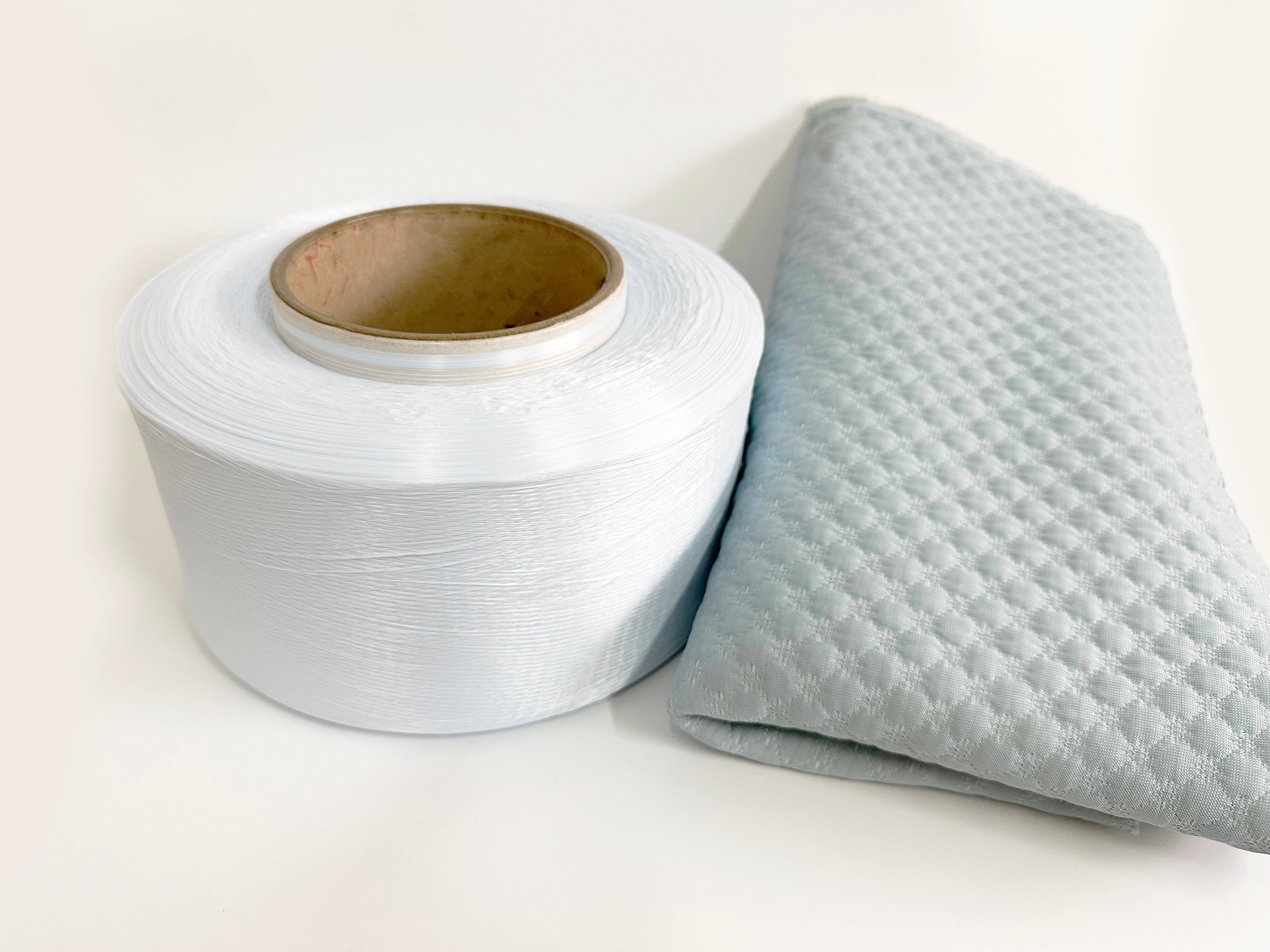
When you’re evaluating yarns that claim to be high-performance, don’t just take the label at face value. True performance goes beyond a slick marketing sheet—it’s in the fiber composition, the twist construction, and how the yarn behaves under real-world conditions. Start by asking for detailed technical specifications: tensile strength, elongation at break, abrasion resistance, moisture regain, and UV stability. A supplier who hesitates to share this data or can’t back it up with test reports from accredited labs is a red flag. Genuine high-performance yarns are engineered for specific end-uses, whether that’s extreme durability in outdoor gear or consistent wicking in athletic wear, so dig into how the yarn’s structure aligns with your product’s demands.
Touch and feel remain one of the most underrated tools in sourcing. Request sample cards with multiple dye lots and put them through your own stress tests—rub them between your fingers for pilling, stretch them repeatedly, wet them to see if the performance claims hold up when soaked. Notice how the yarn recovers; a truly resilient yarn will bounce back quickly without sagging or losing shape. Burn tests can reveal synthetic blends that aren’t on the spec sheet, but also pay attention to the subtle cues: an overly uniform, plastic-like sheen often signals cheap coatings masking a weaker core, while a slight natural luster and irregularity can point to premium long-staple fibers that perform better over time.
Finally, build a relationship with your supplier that goes beyond transactions. Visit the mill if possible, or ask for video walkthroughs of their spinning and quality-control processes. High-performance yarns rarely come from producers who treat all orders the same—there’s a craftsmanship in consistent torque, dye uptake, and finishing that only experienced spinners deliver. Look for partners who ask you questions about your end product, suggest fiber blends based on your challenges, and provide care guidance that shows they understand how their yarn lives in the real world. Confidence in sourcing comes from aligning with those who treat performance not as a buzzword, but as a measurable, demonstrable promise baked into every cone.
Global Logistics for Cooling Yarn: Streamlining the Export Process
Managing the export of cooling yarn involves coordinating temperature-sensitive shipments across borders with precision. Our approach focuses on tailored routing, ensuring that each consignment remains within ideal thermal conditions from production to destination. By leveraging strategic partnerships with carriers experienced in textile logistics, we minimize delays and maintain yarn integrity, even when navigating complex customs procedures.
We integrate real-time tracking and proactive communication into every shipment, allowing clients to monitor their orders as they move through various transit points. This visibility helps anticipate potential disruptions, from port congestion to regulatory hold-ups, enabling swift adjustments. Our dedicated logistics team works closely with local agents to smooth out documentation requirements, ensuring that certifications and compliance checks don't slow down the supply chain.
Beyond standard freight, we design customized solutions that align with production cycles and inventory needs. Whether through consolidated shipments to reduce costs or expedited services for urgent orders, the focus remains on reliability and efficiency. This fine-tuned process not only shortens lead times but also reduces waste associated with thermal damage, creating a more sustainable export pipeline for cooling yarn manufacturers worldwide.
Building Resilient Supplier Networks for Premium PE Yarn
Creating a supply chain that bends without breaking starts with recognizing that premium PE yarn production isn't just about extruding polymers—it's about safeguarding continuity when regional disruptions hit. We've moved past single-source dependencies and instead cultivate overlapping supplier tiers that share technical specifications and quality benchmarks. This overlap means when one manufacturer faces raw material shortages or logistics snarls, another can step in without product reformulation, keeping our tenacity and elongation values consistent batch to batch.
Trust isn't built through audits alone; we embed our process engineers directly with key suppliers for multi-week technical exchanges. This deep collaboration surfaces hidden constraints—like the cooling tower capacity that limits output during peak demand—and turns them into joint improvement projects. Suppliers who co-invest in dedicated lines or proprietary testing rigs with us gain not just volume commitments, but a stake in the premium segment's growth, reducing their temptation to divert capacity to lower-grade markets when margins tighten.
Resilience also lives in geographic and feedstock diversity, but it's the data backbone that makes it manageable. Real-time quality metrics flow from each spinning line into a shared platform where statistical process control flags deviations before they compound. When a ship gets held up at the Panama Canal, our alternative routing algorithms factor in not just lead time but also the subtle differences in resin batch characteristics, adjusting downstream dyeing protocols preemptively. This isn't redundancy for its own sake—it's a living network that learns from each disruption, shrinking response times from weeks to hours.
The Green Thread: Eco-Friendly Practices in Cool Yarn Production
Cool yarn production has traditionally been resource-intensive, but a quiet shift is underway. Mills are increasingly turning to solar-powered spinning frames and closed-loop water systems that recycle nearly every drop. It’s not just about energy—waste reduction takes center stage as leftover fibers are blended back into new batches, cutting down on landfill contributions without sacrificing the yarn’s soft feel.
Dyeing, often the dirtiest step, is seeing a revival through plant-based and low-impact synthetic dyes that require less heat and water. Some producers now embed color at the polymer stage, skipping the dye bath entirely and locking in hues that won’t bleed later. These methods don’t scream sustainability—they quietly prove that craftsmanship and ecology can twist together into something genuinely fresh.
Quality That Travels: Maintaining Standards from Mill to Market
Every batch that leaves our mill carries more than just raw material—it carries a promise. We obsess over the details that keep quality intact, from the moment fibers are spun until goods reach their final destination. Climate-controlled logistics, reinforced packaging, and real-time tracking ensure that shelf-ready standards never waver, no matter the distance.
Sampling doesn’t stop at the factory gate. Our team performs spot checks at distribution hubs and retail touchpoints, verifying texture, color, and finish against the original spec. If a shipment encounters heat, humidity, or rough handling, we’ve designed layered failsafes—moisture barriers, shock-absorbent pallets, and contingency rerouting—so the product that lands in a customer’s hands feels exactly as intended.
Partners along the chain aren’t just vendors; they’re stewards of our reputation. We train freight handlers, share calibration protocols, and audit storage conditions as rigorously as our own shop floor. The result isn’t just quality control—it’s quality continuity, a thread that doesn’t break from mill to market.
FAQ
PE cool feeling yarn is engineered with a special cross-section and fineness that enhances moisture wicking and heat dissipation. It gives a noticeable cooling sensation on the skin, making it ideal for activewear and light summer garments. Unlike regular polyester, it doesn’t cling or trap heat—so the wearer stays dry and comfortable even in humid conditions.
Request lab test reports that measure Q-max (instant cool feeling) values and moisture absorption rates. Reputable suppliers will provide certified results from textile testing labs. You can also ask for sample fabric swatches to conduct your own hand-feel tests and compare them against standard polyester or nylon. A genuine cooling yarn will feel distinctly chilly upon first contact.
Look beyond just denier and filament count—check the yarn’s cross-sectional shape, cooling additive content, and UV protection rating if needed. Reliable exporters will have traceable raw material sources and consistent production batches. Ask about their minimum order quantity (MOQ), lead times, and whether they can customize yarn specifications for your end products.
Yes. OEKO-TEX Standard 100 is a must for safety. Some buyers also look for bluesign or GRS if sustainability matters. For performance claims, Q-max testing certificates and UPF ratings are crucial. Having these ready helps clear customs faster and builds trust with downstream brands and retailers.
Absolutely. Blending with cotton or modal can soften the hand feel while preserving the cooling function. The key is to keep the cool feeling polyester at above 30-40% in the blend to maintain a noticeable effect. Some spinners even create core-spun yarns where the cooling filament is wrapped by natural fibers for better comfort without losing performance.
Protect the yarn from prolonged heat and humidity during shipping; use moisture-barrier packaging and avoid container condensation. Choose reliable freight forwarders who handle textile cargo regularly. Also, factor in geopolitical risks and fluctuating freight rates—having a backup logistics plan prevents costly delays at ports or inland depots.
Conclusion
The global trade in PE cool feeling yarn hinges on a deep understanding of its unique thermal regulation properties. These polyethylene-based fibers are engineered with high thermal conductivity and moisture-wicking structures, rapidly dispersing body heat and creating an immediate cooling sensation upon contact. For buyers, the challenge lies in verifying these performance claims. Rigorous testing for cool touch index (Qmax), infrared spectroscopy to confirm polymer composition, and requiring certifications like OEKO-TEX® or bluesign® are practical steps. Building a dependable supply chain also means looking beyond single-source contracts—spreading orders across vetted mills in multiple regions helps cushion against disruptions, while factory audits and long-term partnerships encourage consistent innovation and honest communication.
As the yarn crosses borders, logistics must preserve its functional integrity. Moisture-proof packaging and climate-controlled containers prevent performance degradation during ocean freight. Customs clearance is streamlined when technical datasheets and compliance documents are prepared in advance, aligning with the import regulations of destination markets. Sustainability has become a parallel thread in this narrative; leading producers are adopting recycled PE feedstocks, low-impact dyes, and closed-loop water systems, aligning with global eco-standards. Ultimately, the yarn’s cooling promise is only as strong as the weakest link in the quality chain. From in-line inspection at the spinning stage to final lab tests on shipped samples, every checkpoint reinforces the product’s reputation. Exporters who master this blend of technical sourcing, resilient logistics, green practices, and relentless quality control are the ones securing lasting footholds in the premium segment.
Contact Us
Contact Person: CONNIE
Email: [email protected]
Tel/WhatsApp: 86-0512-53671634
Website: https://www.lida-yarn.com/