
S235JR Steel for Solar Manufacturers: Custom Solutions from China
2026-02-06
In the rapidly expanding solar industry, manufacturers face unique challenges in sourcing materials that combine durability, cost-effectiveness, and reliability. S235JR steel, with its excellent weldability and mechanical properties, is increasingly becoming the material of choice for solar mounting structures and components. However, finding a supplier that offers custom solutions tailored to specific project needs can be a daunting task. At Energet Solar, we bring you the best of both worlds: high-quality S235JR steel from China, combined with personalized engineering support to optimize your designs. Imagine reducing material waste by 15% or increasing structural integrity without compromising on budget – that's the competitive edge we help you achieve. In this blog, we'll explore how our innovative approach transforms standard steel into strategic assets for solar manufacturers. Curious to learn more? Let's dive into how customized S235JR solutions can elevate your next project.
Essential Properties of S235JR for Solar Energy Applications
S235JR steel plays a key role in solar energy setups, particularly in mounting systems and structural supports. Its balanced blend of strength and flexibility allows for safe bearing of solar panels and wind loads while resisting deformation over time. This reliability is crucial in outdoor environments, where durability against weather effects ensures long-term performance without frequent maintenance needs.
Additionally, the material's good weldability and formability make it a practical choice for custom solar installations. Professionals can easily shape and connect components on-site, adapting to varied terrains and panel configurations. This versatility supports efficient assembly and reduces overall project timelines, benefiting both small-scale residential and larger commercial solar deployments.
Beyond mechanical traits, S235JR's cost-effectiveness compared to higher-grade steels makes it an attractive option for budget-conscious solar projects. It meets necessary safety standards without overspending, helping expand renewable energy access. By combining these properties, S235JR contributes to sustainable energy solutions that are both robust and economically viable.
Custom Steel Fabrication Techniques Tailored for Solar Manufacturers
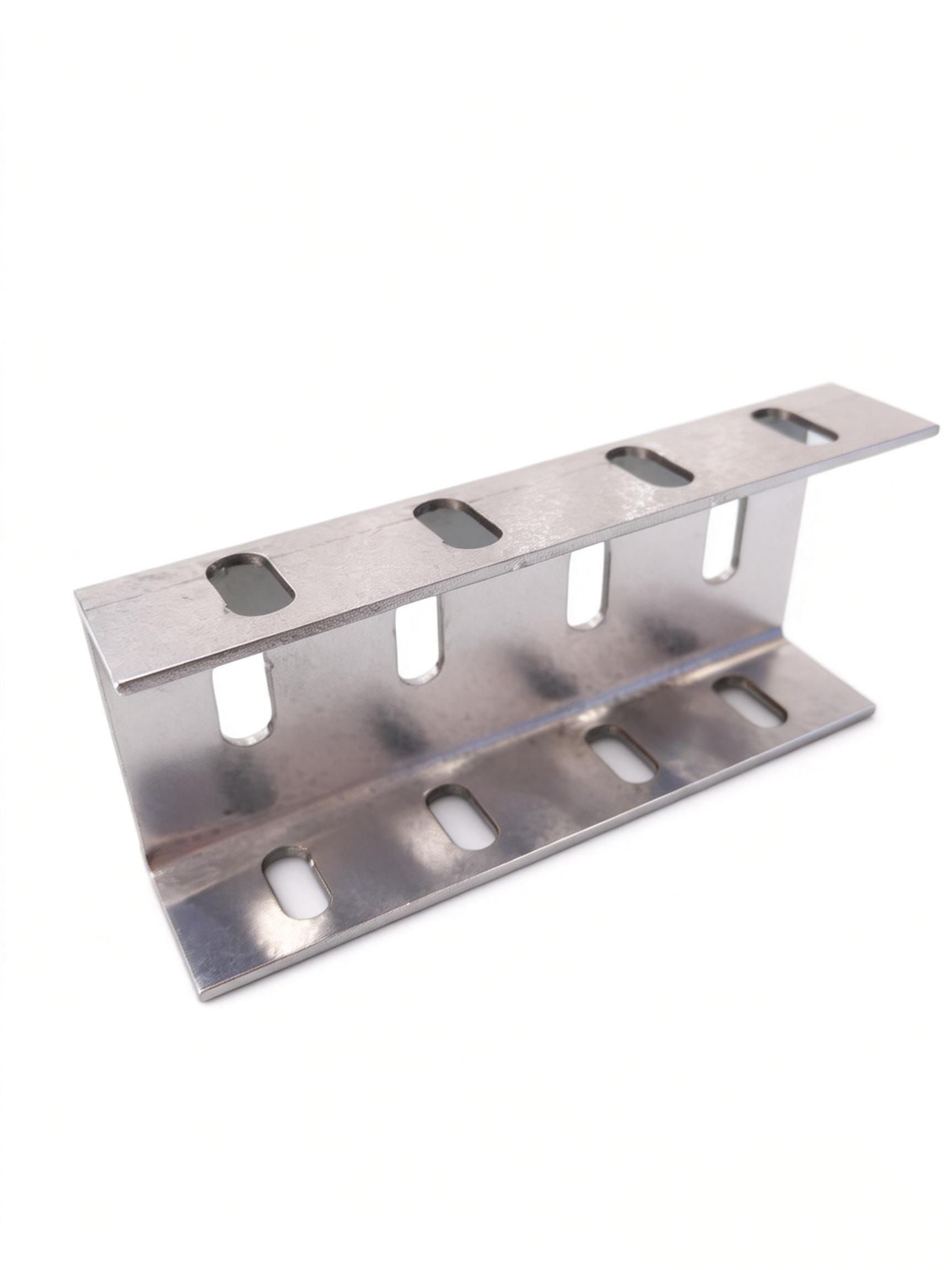
Solar manufacturers often face unique structural demands that go beyond standard metalworking. Custom steel fabrication addresses this by offering tailored solutions, such as precision-engineered frames that optimize panel angles for maximum sunlight capture. These techniques can include advanced welding and cutting methods specifically designed to withstand harsh environmental conditions, ensuring long-term durability in solar applications.
Innovations like modular steel components allow for rapid on-site assembly, reducing installation time and costs for solar farms. By collaborating closely with manufacturers, fabricators develop bespoke designs that integrate seamlessly with various panel types, from rooftop arrays to ground-mounted systems. This customization enhances efficiency, as steel supports can be fine-tuned to handle specific load requirements and weather challenges.
Emphasizing sustainability, many custom fabrication processes now incorporate recycled steel and eco-friendly coatings to minimize environmental impact. This approach not only supports green energy goals but also improves corrosion resistance, extending the lifespan of solar installations. As the solar industry evolves, these specialized techniques continue to adapt, offering creative solutions that push the boundaries of traditional fabrication.
Advantages of Choosing S235JR from Chinese Suppliers
When sourcing S235JR steel, Chinese suppliers often stand out for their ability to combine cost efficiency with reliable quality. Many manufacturers in China have invested heavily in modern production facilities, ensuring that this structural steel grade meets international standards like EN 10025-2. By leveraging economies of scale, they can offer competitive pricing without compromising on the essential properties of S235JR, such as its good weldability and formability, making it a practical choice for construction and engineering projects worldwide.
Beyond pricing, working with Chinese suppliers provides access to a vast network of expertise and customization options. Companies in China frequently tailor orders to meet specific client requirements, from precise dimensions to special surface treatments, all while maintaining short lead times due to efficient logistics. This flexibility allows buyers to adapt quickly to changing project needs, which can be a significant advantage in fast-paced industries where timely delivery is crucial for avoiding delays.
Additionally, many Chinese suppliers emphasize strong customer support and long-term partnerships, offering services like technical consultations and quality assurance reports to ensure satisfaction. This approach helps build trust and reduces risks associated with international procurement, making S235JR from China not just a material purchase but a strategic decision that can enhance overall project efficiency and reliability.
Cost-Effective Solutions for Solar Panel Mounting Structures
When it comes to installing solar panels, the mounting structure often gets overlooked, but it plays a crucial role in maximizing your energy output while keeping costs in check. For residential setups, ground-mounted systems can be a game-changer if you have the space, as they're typically easier to install and maintain compared to roof mounts. By using prefabricated components and standard materials like galvanized steel, you can significantly cut down on labor and material expenses without compromising durability. Plus, adjustable tilt angles let you optimize performance throughout the year, squeezing every bit of sunshine into your power grid.
In commercial or large-scale projects, innovative designs like ballasted or weight-based mounts eliminate the need for penetrating roof membranes, reducing installation time and preventing potential leaks. These systems rely on concrete blocks or other weights to secure panels, which means fewer parts and less specialized labor, translating to lower overall costs. It's worth noting that many manufacturers now offer modular kits that simplify assembly, allowing teams to deploy solar arrays faster and with fewer errors. This approach not only saves on upfront investment but also minimizes long-term maintenance headaches.
For those in windy or harsh environments, cost-effectiveness doesn't have to mean cutting corners on safety. Lightweight aluminum frames and corrosion-resistant coatings provide a sturdy yet affordable option, extending the lifespan of your installation. By shopping around and comparing quotes, you might find that custom-engineered solutions tailored to your site's specific conditions end up being more economical in the long run than generic off-the-shelf models. Remember, a well-chosen mount can boost efficiency by up to 20%, making that initial budget stretch further over the years.
Quality Assurance and Durability in Solar Steel Components
Ensuring the reliability and long-term performance of solar installations hinges on the quality assurance and durability of steel components. These structural elements undergo rigorous testing to meet stringent industry standards, which often involves assessments of material strength, corrosion resistance, and load-bearing capacity. By implementing comprehensive quality control protocols, manufacturers can mitigate risks associated with structural failures, ensuring that solar panels remain securely mounted over decades of exposure to environmental stressors such as wind, snow, and UV radiation.
Durability in solar steel components isn't just about withstanding harsh weather; it's also about adapting to diverse climates and installation sites. Innovations in coatings, such as galvanization and specialized paints, enhance corrosion protection, extending the lifespan of these components. This proactive approach to durability reduces maintenance costs and downtime, making solar energy systems more economically viable in the long run, while also supporting sustainability goals by minimizing material waste through longer service life.
In practice, quality assurance and durability are interlinked through continuous improvement processes. Manufacturers often incorporate feedback from field performance data to refine designs and materials, ensuring that each iteration of steel components offers better resilience and efficiency. By focusing on these aspects, the solar industry can build trust with stakeholders, from installers to end-users, highlighting how robust steel parts are integral to the overall success and expansion of renewable energy solutions worldwide.
Streamlined Logistics and Supply Chain for Solar Projects
In the solar industry, efficient logistics and supply chain management are crucial for keeping projects on schedule and within budget. By optimizing transportation routes and consolidating shipments, companies can reduce delays and cut costs significantly. This streamlined approach ensures that materials like photovoltaic panels and inverters arrive just in time, minimizing storage needs and enhancing overall project flow.
A robust supply chain strategy involves close collaboration with suppliers to maintain quality control and adapt to market fluctuations. For instance, leveraging digital tools for real-time tracking and predictive analytics helps anticipate disruptions before they impact installation timelines. This proactive management not only boosts reliability but also builds resilience against unforeseen challenges, making solar deployments more efficient and scalable.
Moreover, integrating sustainable practices into logistics, such as using electric vehicles for transport or sourcing materials locally, can further streamline operations while aligning with environmental goals. This holistic view ensures that every step—from procurement to delivery—contributes to a smoother, faster project completion, ultimately driving down costs and accelerating the adoption of solar energy worldwide.
FAQ
S235JR is a non-alloy structural steel grade with good strength and weldability, commonly used in solar mounting systems and frames due to its durability and cost-effectiveness for large-scale installations.
Chinese manufacturers offer tailored services such as custom cutting, bending, and coating to meet specific design requirements, ensuring precise fit and enhanced corrosion resistance for solar projects.
Sourcing from China often provides competitive pricing, flexible production capabilities, and access to advanced manufacturing technologies, helping reduce overall project costs while maintaining quality standards.
Yes, it can be treated with coatings like galvanization or painted finishes to improve resistance to UV exposure, moisture, and temperature variations, ensuring long-term performance in diverse climates.
Buyers should verify certifications such as EN 10025-2, which specifies mechanical properties and chemical composition, along with supplier audits to ensure compliance with international norms.
The process typically involves consulting with engineers to define specifications, followed by prototyping, testing for structural integrity, and final production adjustments to meet exact project needs.
S235JR steel is recyclable and often made with eco-friendly processes, contributing to lower carbon footprints in solar installations and supporting green energy initiatives globally.
Challenges include ensuring precise tolerances for assembly, managing lead times for custom orders, and coordinating logistics to avoid delays in large-scale solar farm deployments.
Conclusion
S235JR structural steel is a key material in solar energy applications due to its favorable mechanical properties, including good weldability, strength, and formability, making it ideal for solar panel mounting structures. These essential characteristics ensure durability and reliability in various environmental conditions, supporting the long-term performance of solar installations. Custom fabrication techniques tailored for solar manufacturers allow for precise component production, optimizing efficiency and fit for specific project requirements.
Choosing S235JR steel from Chinese suppliers offers significant advantages, such as cost-effectiveness and access to advanced manufacturing capabilities, enabling affordable solutions for mounting structures without compromising quality. Coupled with robust quality assurance processes, this ensures that steel components meet high durability standards. Streamlined logistics and supply chain management further enhance project efficiency, facilitating timely delivery and integration into solar projects, thereby supporting the global transition to renewable energy through reliable and customized steel solutions.
Contact Us
Contact Person: Simon
Email: [email protected]
Tel/WhatsApp: 8613672181100
Website: https://energetsolar.com/