

Sanding Disc Supplier Selection Tips for Consistent Finishing
2026-10-09
Getting a flawless, uniform finish isn’t just about technique—it starts with the sanding discs you use. Yet too many workshops overlook how much supplier choice affects consistency. If you’re tired of scratch patterns shifting from batch to batch or discs wearing out unpredictably, these sanding disc supplier selection tips will help you lock in repeatable results. And when it comes to dependable supply, SHENZHEN SUN ABRASIVES is a name worth knowing.
Why Grit Number Alone Won't Guarantee a Uniform Finish
Abrasive grit number tells you the size of the particles, but it says nothing about how they are distributed, shaped, or bonded. Two discs with the same grit rating can leave wildly different surface textures depending on the abrasive type, backing stiffness, and even the speed of the tool. If you rely solely on grit progression, you might skip an entire step without realizing the previous scratch pattern is still buried beneath the haze.
Uniformity comes from consistency in pressure, angle, and dwell time—not just from switching to a finer number. A careless pass with a high-grit pad can create deeper random scratches than a controlled pass with a coarser one. The real trick is matching the abrasive’s friability and lubricant to the material, so the grit breaks down at the right rate and keeps cutting evenly instead of clogging or glazing over.
Next time you plan a finishing sequence, treat grit as a starting point, not a guarantee. Test a small hidden area with the exact combination of tool speed, backing pad, and pressure you’ll use on the final piece. Only when the scratch pattern disappears under raking light should you move on—regardless of what the number on the package suggests.
The Burn Test That Reveals a Supplier's True Quality
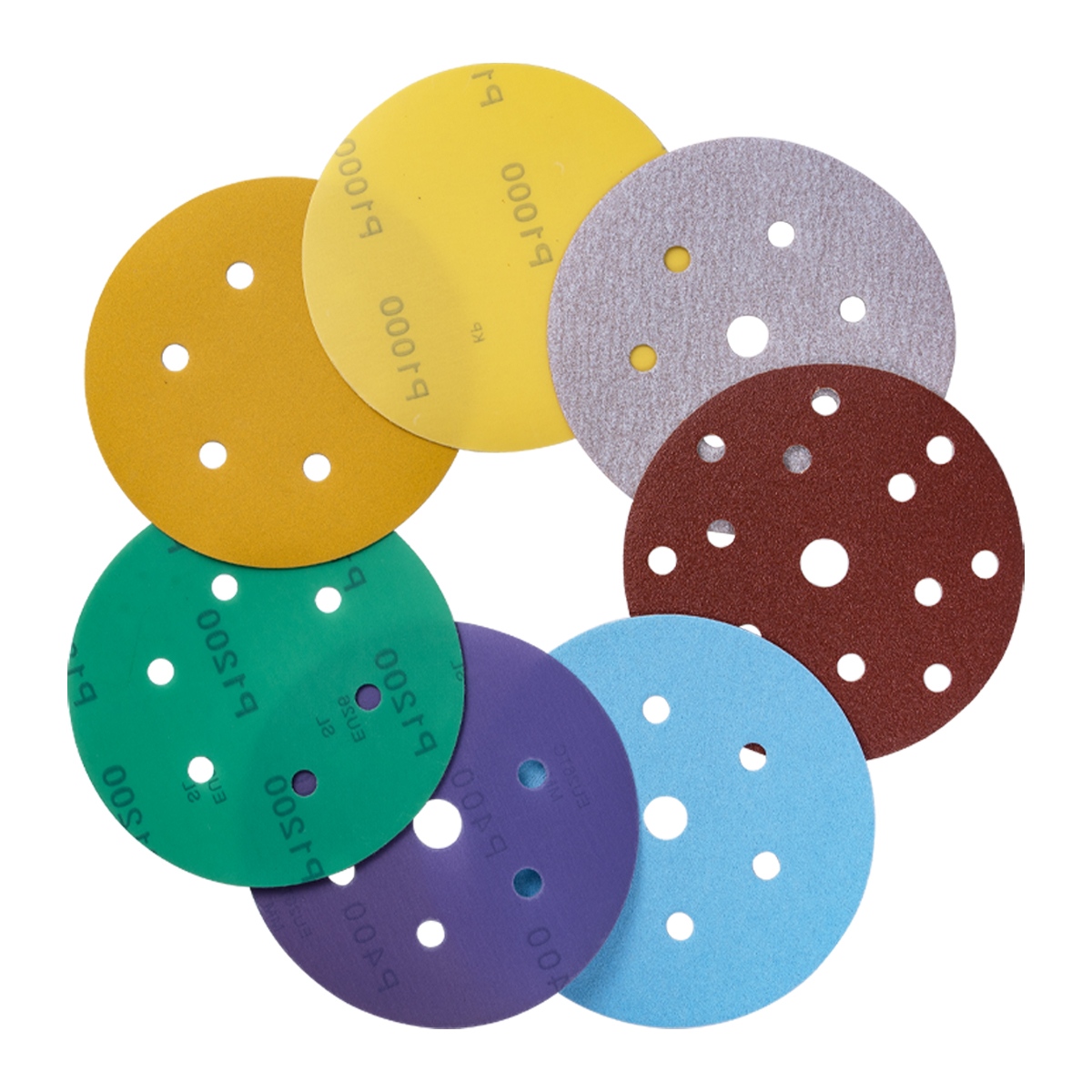
A quick flame can tell you more about a supplier than a dozen spec sheets. When you hold a sample to the burner, watch how it behaves in those first few seconds—does it ignite cleanly, smolder unevenly, or curl away from the heat? That reaction is a fingerprint of the raw material sourcing, the consistency of the batch, and whether the factory actually follows the process they promised.
But the real insight isn't just in the burn itself; it's in the residue. A supplier with tight quality control will produce ash that's uniform, light, and free of unexpected grit or color shifts. If you see clumps, sparks, or a strange smell that lingers long after the flame dies, that's not a minor defect—it's a sign of shortcuts in curing, filler substitutions, or contamination that happened weeks before your sample ever reached your desk.
Run this test across three batches, not just one. A single clean burn means nothing if the next shipment drifts. Suppliers who pass consistently are the ones who treat their material inputs like a fixed recipe, not a negotiation. That's the kind of partner worth keeping on speed dial.
Backing Flexibility: The Overlooked Cause of Edge Gouging
Most sharpening discussions fixate on grit progression, angle consistency, or pressure control, but the backing behind the abrasive rarely gets a second thought. Yet this hidden variable often determines whether an edge comes out crisp or carries a shallow trench along its shoulder. A backing that flexes too readily lets the abrasive wrap around the edge at the end of each stroke, digging in for a fraction of a second longer and removing more material than intended.
The problem escalates on belts or film backings that have softened with use. Heat and repeated bending break down the internal structure, so the backing becomes spongy exactly where you need it to stay predictable. Instead of bridging across the edge, it collapses inward, concentrating the cutting action on a narrow band. That is when the telltale shadow appears—a groove that runs parallel to the edge but never quite reaches the apex.
A quick fix is to compare results with a freshly mounted abrasive of the same grit. If the gouging disappears, the old backing was flexing too much. Some sharpeners also reduce platen pressure near the edge or switch to a stiffer film backing for final passes. Watching where the wear pattern shows up on the abrasive can guide adjustment, but ignoring backing flexibility means chasing the same edge defect through every other variable first.
Batch Traceability: The Key to Repeating a Perfect Finish
A flawless finish rarely happens by accident. Once you nail the chemistry, application method, and cure schedule for a particular substrate, the next challenge is doing it again weeks later when memory has faded and conditions have shifted. Batch traceability turns that one-off success into a repeatable procedure. Every drum of coating, every container of catalyst, and even the ambient humidity during spraying gets recorded against a single batch number.
That record becomes your shortcut when the same job returns. Instead of re-testing from scratch, you pull the old batch data and see exactly which mixing ratio, gun settings, and flash-off time produced the acceptable result. The real value shows up in troubleshooting too—if a finish drifts, you can compare current inputs to the last known-good batch and spot the variable that changed.
Small shops often resist this level of documentation, assuming it slows down production. In practice, a simple batch sheet or a quick scan of a barcode takes seconds at the mixing station, yet saves hours of rework later. The goal is not more paperwork; it is making sure that a perfect finish can be repeated on demand, not just remembered with fondness.
How Supplier Finish Trials Save You from Costly Rework
A finish trial is not a formality—it's a controlled rehearsal of your exact coating, texture, and color before full production kicks in. When a supplier runs these trials early, surface defects and adhesion failures surface on sample panels, not on thousands of finished units. That shift alone spares you from the brutal cycle of stripping, re-coating, and re-inspecting that eats both budget and schedule.
Real rework rarely comes from one big mistake; it creeps in through small mismatches—gloss level slightly off, edge coverage too thin, curing time shortened by a rushed line. A thorough finish trial forces those variables into the open. Your supplier documents the exact spray pressure, film thickness, and bake profile that works, then locks those parameters into the production run. Without that baseline, every batch becomes a guess, and every guess can trigger another round of corrective work.
The cost of a trial is measured in hours and sample material. The cost of rework is measured in wasted parts, delayed shipments, and field failures that trace back to a coating that should have been caught earlier. Buyers who insist on finish trials aren't paying extra for caution—they're buying the certainty that the finish on the final product matches the approved sample the first time, not the third.
Total Cost Per Finished Part Beats Price Per Disc Every Time
A low sticker price on a cutting disc can be tempting, but it rarely tells the whole story. What actually hits your bottom line is the total cost per finished part—factoring in how many discs you burn through, how long each cut takes, and the amount of rework from rough edges or burn marks. A disc that costs half as much but wears out twice as fast and leaves you cleaning up jagged welds isn't saving you money; it's quietly draining your shop's productivity.
The numbers shift quickly when you measure real output. A premium disc might cost 30% more upfront, yet deliver three times the cuts on stainless or high-tensile steel, with less operator fatigue and fewer changeovers. That means more finished parts per shift, less downtime swapping discs, and a consistent finish that doesn't need a second pass with a flap wheel. Suddenly the "expensive" disc is the cheapest option on the table.
Smart purchasing managers stopped comparing price tags years ago. They track cost per linear inch of cut, disc changes per hundred parts, and scrap rates from heat discoloration or edge chipping. When you run those numbers, the disc that wins is never the one with the lowest shelf price—it's the one that gets you to the finished part faster, cleaner, and with fewer headaches. That's the only metric that pays the bills at the end of the month.
FAQ
Watch how they handle sample requests. A supplier who sends a mismatched grab bag of grits or can't tell you the exact backing material on the phone is already showing weak process control. The ones worth working with will ask about your sander type, speed range, and the material you are finishing before sending anything.
This usually comes down to the bond and coating quality, not just the abrasive grain. Cheaper open-coat or poorly cured resin lets swarf embed in the disc, which then heats up and smears across the work surface. Ask potential suppliers for a specification sheet on the resin bond and a test report showing loading resistance on your specific workpiece material.
Take three discs from different boxes in the same shipment, use them on the same spot at the same pressure for the same number of seconds, then feel and inspect the scratch pattern with a low-angle light. If the scratches change depth or width across discs, the grit distribution is off. A good supplier will let you pull samples from random cartons, not just a hand-picked demo.
Ask to see the backing weight and flex test result. Many budget discs use thinner latex-saturated paper instead of heavier vulcanized fiber or film, which flexes unevenly and creates edge tearing on contoured work. If they can't provide a flex rating or a side-by-side performance curve against your current disc, the savings will disappear in rework time.
For consistent finishing, stick with one source that has a documented lot-to-lot variation limit. Splitting orders introduces subtle differences in adhesive release, grain sharpness, and backing stiffness that often show up as faint bands in the final finish. If you must dual-source, dedicate one supplier to roughing grits and the other to finishing grits, never mix the same grit from two places on one work order.
Avoid vague terms like 'uniform finish.' Instead, write a target of no visible scratch pattern change across a full box at a given grit, plus a maximum of 5% disc weight variation within a batch. Weight variation ties directly to grain and adhesive loading, so it is a quick, measurable check you can do on a freight scale before putting discs into production.
More than most shops realize. If a supplier runs frequent backorders and ships partial lots, you end up borrowing discs from another lot or switching grits mid-job, which breaks the visual rhythm of the finish. A reliable supplier will hold at least four to six weeks of your specific disc SKU in their regional warehouse and confirm that number in writing during onboarding.
They ask about lot number tracking and whether the supplier can hold a specific lot for reorder. Finishing consistency is about repeatability, and if you can't get the same lot next month, you are essentially starting over with a new product. A supplier that keeps lot traceability and lets you reserve upcoming production runs is worth paying a small premium for.
Conclusion
Chasing a uniform finish starts with unlearning the idea that a higher grit number automatically means better results. Two discs stamped with the same grit can behave completely differently depending on abrasive grain quality, bonding, and how evenly the grains are distributed. A quick burn test on a scrap panel tells you more than any spec sheet: watch how the disc loads, how fast it cuts, and whether heat buildup discolors the surface. Equally important is backing flexibility, which many buyers ignore until edge gouging shows up on curved or profiled work. A backing that is too stiff digs into transitions, while an overly flimsy one loses control on flat areas. The right supplier will ask about your substrate, pressure, and tool speed, then match the backing to the job rather than pushing a one-size-fits-all disc.
Consistency across orders depends on batch traceability. If a supplier cannot trace a disc back to its raw material lot, resin mix, and production date, you cannot repeat yesterday's perfect finish next month. Ask for batch codes and keep a small reference set from each shipment. Before committing to volume, run finish trials on your actual parts with the supplier's samples—this exposes hidden issues like premature loading, scratch patterns, or swirl marks that only appear under your shop's lighting. Finally, compare total cost per finished part, not price per disc. A cheap disc that wears out twice as fast, demands more operator time, or forces rework is never a bargain. The most reliable supplier choice often costs more upfront but removes variability from the entire sanding process.
Contact Us
Contact Person: Amanda Wang
Email: [email protected]
Tel/WhatsApp: +86-13602569854
Website: https://www.sunabrasives.com.cn