

Tris(2-ethylhexyl) Phosphate Distributor Evaluation Criteria for Chemical Buyers
2026-10-16
Sourcing tris(2-ethylhexyl) phosphate (TEHP) for your chemical operations isn’t just about ticking boxes—it’s about finding a distributor who actually understands your supply chain pressures, purity thresholds, and delivery timelines. With so many suppliers claiming reliability, how do you separate substance from sales pitch? At Fortune, we’ve seen firsthand what separates a transactional vendor from a true strategic partner. In this guide, we cut through the noise and lay out a practical evaluation framework for chemical buyers—covering everything from batch consistency and regulatory documentation to logistics flexibility and technical support. Whether you’re re-evaluating current partners or sourcing TEHP for the first time, these criteria will help you make a decision you won’t regret six months down the line.
How to Verify a TEHP Distributor's Quality Claims Beyond the Certificate
A certificate of analysis looks reassuring, but it only tells you about the sample the distributor chose to send. To verify what actually arrives at your dock, pull your own samples from at least two or three different drums or totes within the same shipment, then send them to an independent lab for testing. Focus on parameters that matter for your application—acid value, moisture content, color, and any trace metals or residual catalysts that could interfere with downstream processing. If the numbers drift noticeably from the distributor's claimed specs, even within accepted tolerance, ask for a batch-level traceability report rather than a generic summary.
Beyond lab results, probe how the distributor handles non-conforming material. Request a copy of their internal rejection and rework procedure, and ask for concrete examples of when a batch failed incoming inspection and what corrective action followed. A distributor that hesitates to share this information or offers only vague assurances may be relying on certificate documents from the original manufacturer without doing their own verification. Also check whether they store TEHP under nitrogen blanket or in temperature-controlled conditions—prolonged exposure to heat and air can degrade the product even if the original certificate was accurate.
Finally, talk to other customers who have purchased the same grade within the last six to twelve months. Ask about batch-to-batch consistency in viscosity, clarity, and odor, not just whether the material 'worked fine.' Better yet, arrange a brief video walkthrough of the distributor's warehouse and repackaging area. Look for dedicated hoses, sealed transfer lines, and clear segregation of different chemical grades. If they refuse a live tour but offer polished photos, treat that as a signal that the certificate may be carrying more weight than the actual product.
The Supply Chain Questions That Expose a Middleman in Disguise
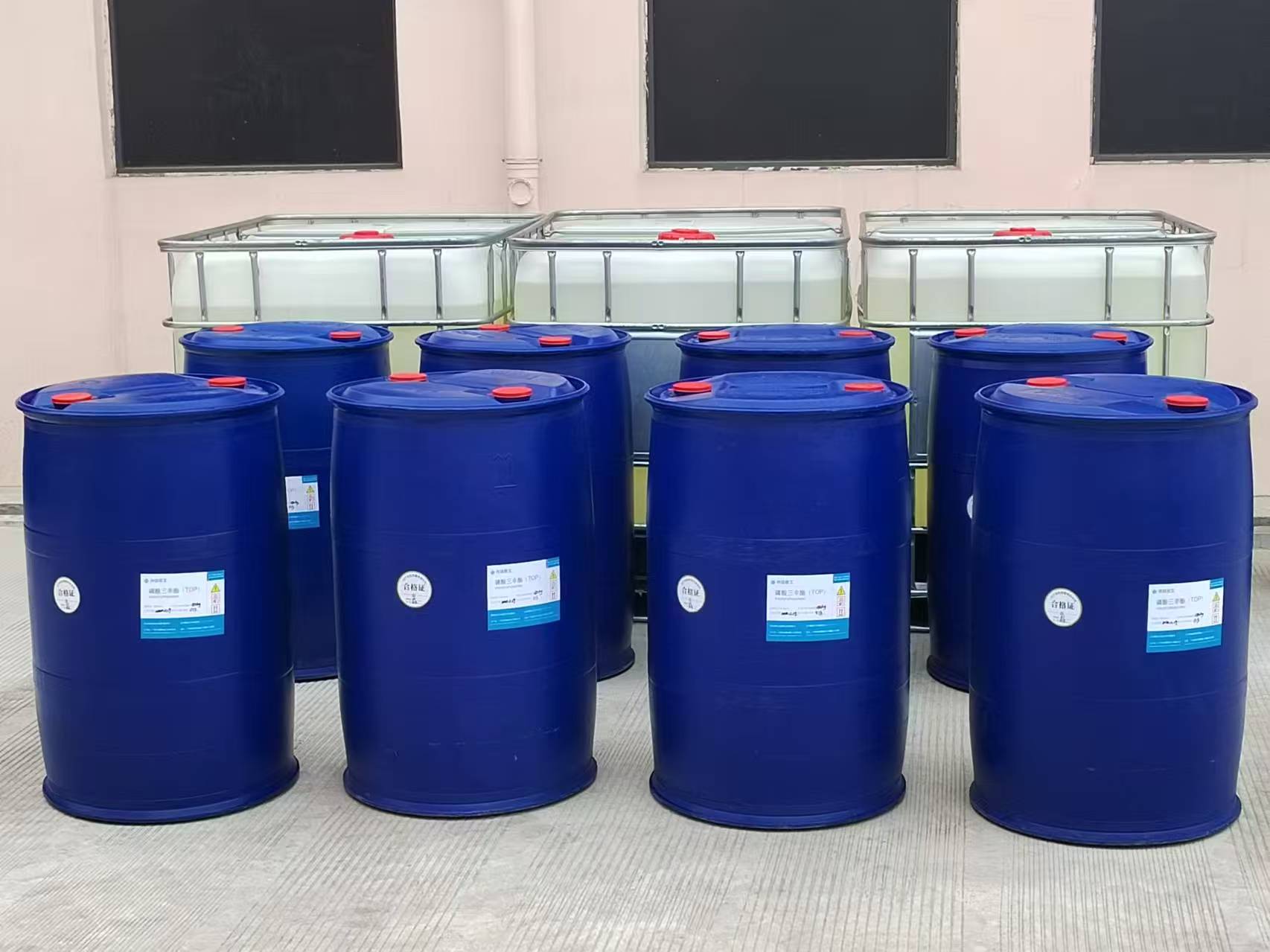
Real suppliers don't hesitate when you ask for the factory's certificate of origin or a direct line to the production scheduler. A middleman in disguise starts hedging—suddenly the "manufacturer" is on a different continent, or the documentation gets stuck in a workflow you've never heard of. Ask to see the bill of lading from the last three shipments. If the shipper's name doesn't match the company on the invoice, you've found your answer.
Push on the return path. A genuine maker will tell you exactly which department handles a faulty batch and how long the replacement takes. Resellers often can't name a single person inside the plant because there isn't one. Try requesting a minor change—new label, different torque setting, alternate packaging. The middleman has to forward your request and wait, while the actual source responds with a quote and a timeline.
Payment terms reveal more than any brochure. Ask why the bank details point to a trading company in one country while the goods ship from another. Or why the "factory direct" price goes up when you mention visiting the production line. A disguised intermediary survives on information gaps, so the moment you ask for traceability, warranty ownership, and the name on the insurance certificate, the illusion starts to crack.
Why a Distributor's Compliance Record Outweighs Its Sales Pitch
A polished sales pitch can make any distributor sound like the perfect partner. But when the presentation ends, the compliance record is what actually tells you how they operate under pressure. A distributor with a history of customs violations, labor disputes, or environmental fines has already shown you how they handle obligations, and no amount of confident talk can undo those facts.
Your own business is tied to the choices your distributor makes. If they cut corners on safety or import rules, your shipments can be held, your production halted, and your company's name dragged into the mess. Sales teams rarely volunteer this kind of exposure. The compliance record, on the other hand, lays it out whether you ask or not, and that transparency is worth more than any promised turnaround time.
In the long run, a clean compliance history lowers hidden costs and builds a relationship you can actually rely on. A distributor that has repeatedly passed audits and maintained clear records is far more likely to own up to mistakes and fix them quickly. That quiet dependability beats a charismatic sales pitch every time, because when a problem hits, you want a partner who has proven they follow the rules, not one who only talks about it.
Stress-Testing a TEHP Partner Before Committing to a Purchase Order
Before signing a purchase order, smart procurement teams don't just check boxes; they push the TEHP partner with real-world scenarios. Send over a small batch of your most difficult material or a rapid-turnaround order and watch how their operations, quality control, and communication hold up. Pay attention to whether they ask sharp questions about tolerances, lead times, and failure modes—or just promise fast delivery.
Ask for references from clients whose production cycles mirror yours, then call them at odd hours. Financial health matters too: a partner who can't weather a 90-day payment term or a sudden spike in raw material costs will eventually become your problem. Request credit references, bank statements, or a third-party audit report—whatever reveals liquidity and contingency plans.
Finally, run a controlled "break test" on their service recovery. Introduce a deliberate change order, a late drawing revision, or a quality defect (simulated if needed) and measure response time, transparency, and corrective action. A TEHP partner worth locking into a purchase order will treat your disruption as their own, not hide behind contract language.
The Hidden Cost of a Distributor That Skimps on Technical Support
When a distributor underinvests in technical support, the savings show up in their price quote but not in your total cost of ownership. The real expense arrives later, in the form of stalled production lines, trial-and-error integrations, and engineering hours burned while waiting for answers that never come.
Integration issues that could be resolved in minutes become multi-day projects. Your team ends up reverse-engineering documentation, guessing at configuration parameters, or building workarounds for components that should have been validated before shipment. Every hour spent troubleshooting is an hour not spent on revenue-generating work.
There's also a less visible drain: repeat failures. When a distributor doesn't stand behind their products with real expertise, warranty claims and returns spike. You end up stocking spares, absorbing freight costs, and losing customer confidence. That initial discount rarely covers the downstream disruption.
Signs a TEHP Supplier Will Still Answer Your Calls Next Year
One reliable indicator is how they handle bad news. A supplier who calls you before you notice a delayed batch, explains the exact resin precursor shortage, and offers a revised delivery window with a backup option is likely still around next year. Silence, vague "logistics issues," or sudden unreturned emails signal management trouble, not just bad luck.
Check their paperwork habits. A TEHP supplier that keeps ISO 9001 and REACH documentation current, sends updated certificates of analysis without being asked, and can show batch traceability back to raw esterification runs has invested in systems. That kind of operational discipline doesn't disappear overnight; it usually means they have a compliance officer and an audit trail, which banks and insurers also like.
Watch their pricing behavior. If they quote steady, explainable adjustments tied to feedstock or freight rather than wild swings or "one-time specials" every quarter, they're probably managing cash flow properly. Also, a supplier with local warehousing or a second production line for TEHP is showing they plan to serve customers next year, not just liquidate inventory now.
FAQ
Start by requesting batch-level certificates of analysis and comparing them against the distributor's declared specifications for purity, acidity, and moisture. A reliable supplier will also share details about their incoming raw material testing and in-process checks without hesitation. Pay attention to whether they use third-party laboratories for periodic verification, as this indicates a commitment beyond internal claims.
Ask for current safety data sheets and regulatory documentation covering the regions where you operate, including REACH, TSCA, or other relevant frameworks. A trustworthy distributor will proactively update these documents and can explain how their product meets specific import or handling restrictions. If they hesitate or provide outdated paperwork, that is a red flag.
Transparency helps you understand where the product originates, how it is transported, and whether there are any intermediaries that could affect quality or lead time. Look for distributors who can name their manufacturing partners and provide clear traceability from production lot to delivery. This reduces the risk of receiving adulterated or off-spec material.
Technical support often separates commodity brokers from value-adding distributors. You want a supplier who can advise on storage temperatures, blending compatibility, or handling precautions specific to your application. Even if you have in-house expertise, a distributor with strong technical staff can help troubleshoot unexpected issues like viscosity changes or color drift.
Review their payment terms, credit references, and how long they have been in the chemical distribution business. Stable distributors usually have diversified customer bases and consistent inventory levels rather than relying on back-to-back orders. You can also request trade references from other buyers to gauge whether they honor long-term contracts without sudden price renegotiations.
Confirm whether they store the product in temperature-controlled or at least dry, ventilated warehouses, since prolonged exposure to moisture or extreme heat can degrade TEHP. Check their ability to handle drum, IBC, or bulk shipments depending on your volume needs. A distributor with multiple regional warehouses can often provide more reliable lead times and lower freight costs.
Look beyond marketing claims and ask about concrete measures like waste reduction during repackaging, energy-efficient warehousing, or participation in product stewardship programs. Some distributors offer returnable bulk containers or consolidated shipping to lower carbon footprint. If sustainability matters to your downstream customers, request an annual environmental report or specific data on their operations.
Start with a small trial order and run your own quality checks on density, refractive index, and acid number against your internal standards. Request samples from at least two different production lots, not just a single batch. A consistent distributor will have tight specification ranges and can explain any minor lot-to-lot variation in terms of raw material sourcing or seasonal production factors.
Conclusion
Verifying a TEHP distributor should not stop at the certificate they hand you. Request batch-specific analytical data, run your own sample tests against the claimed purity and acidity, and ask for third-party lab reports from the last three shipments. A supplier that hesitates to share those numbers is often hiding variability. Equally important is tracing the actual path of the material. Push for the original manufacturer name, lot numbers, and shipping documents. If the distributor cannot connect you directly to the primary producer or show clear title transfer, you are likely dealing with a middleman adding markup without adding value. Compliance history matters more than a polished sales pitch. Check for regulatory violations, safety data sheet accuracy, and whether the distributor holds the necessary registrations for your region. One past enforcement action can reveal how they handle pressure when something goes wrong.
Before committing to a purchase order, stress-test the partner with a small trial order and a tight deadline. Watch how they handle a missing document, a delayed truck, or a question about impurities. A distributor that goes silent when problems arise will cost you far more later. Technical support is another hidden cost driver. If they cannot help you adjust formulations, troubleshoot viscosity shifts, or advise on storage conditions, you will end up paying for that expertise elsewhere. Finally, look for signs the company will still answer your calls next year. Stable financials, long-tenured staff, and a pattern of proactive updates about inventory and lead times signal a partner, not just a seller. A distributor that only chases the first order is not worth the risk in chemical procurement.
Contact Us
Contact Person: WANG SIHAI
Email: [email protected]
Tel/WhatsApp: +86-13815295628
Website: https://www.fortunechemtech.com/index_en.html