

Wastewater System Export Essentials for International Growth
2026-07-22
As global demand for sustainable infrastructure surges, exporting wastewater systems has never been more promising—yet the complexities of international markets can quickly overwhelm even seasoned manufacturers. At Sinou, we've learned that success hinges not just on innovative technology, but on mastering local compliance, logistics, and cultural nuances that can make or break a deal. Whether you're navigating shifting regulations or building trust across borders, this guide unpacks the essentials that transform export challenges into scalable global growth.
Mapping Global Demand for Advanced Wastewater Solutions
The landscape of wastewater treatment is shifting dramatically as communities and industries worldwide confront water scarcity, aging infrastructure, and tightening environmental regulations. No longer viewed as a mere disposal challenge, wastewater is increasingly recognized as a resource—carrying recoverable water, energy, and nutrients. This shift in perspective is fueling a surge in demand for advanced solutions that go beyond conventional primary and secondary treatment, targeting contaminants of emerging concern, enabling water reuse, and minimizing the carbon footprint of treatment facilities. From densely populated megacities in Asia to water-stressed regions in the Middle East and expanding industrial hubs in Africa, the need for sophisticated, adaptable technologies has never been more urgent, reshaping the global market for wastewater equipment and engineering services.
Driving this demand is a confluence of factors that differ by region but share common threads. In developed economies, the focus is on upgrading existing plants to meet stricter effluent standards and to handle microplastics, pharmaceutical residues, and PFAS compounds. Meanwhile, rapidly urbanizing nations are leapfrogging legacy systems, opting for decentralized or modular designs that can be deployed quickly. The industrial sector, including food and beverage, textiles, and pharmaceuticals, seeks on-site treatment and recycling to secure process water and lower discharge fees. This diversity in needs is spurring innovation in membrane bioreactors, advanced oxidation processes, and smart monitoring systems that optimize energy consumption and sludge handling. The result is a dynamic and fragmented market where one-size-fits-all approaches no longer suffice.
Looking ahead, the convergence of digitalization, circular economy principles, and climate resilience will define the next wave of advanced wastewater solutions. Real-time data analytics and artificial intelligence are enabling predictive maintenance and adaptive process control, significantly reducing operational risks. Simultaneously, projects that integrate water reuse with energy generation—such as biogas recovery and thermal hydrolysis—are transforming treatment plants into resource factories. Regions most vulnerable to climate impacts are prioritizing technologies that can manage variability in influent flows and withstand extreme weather. As these trends deepen, success in this sector will depend not just on technical performance but on the ability to tailor solutions to local contexts, navigate complex regulatory environments, and demonstrate clear economic value to end-users.
Navigating Trade Regulations and Compliance Hurdles
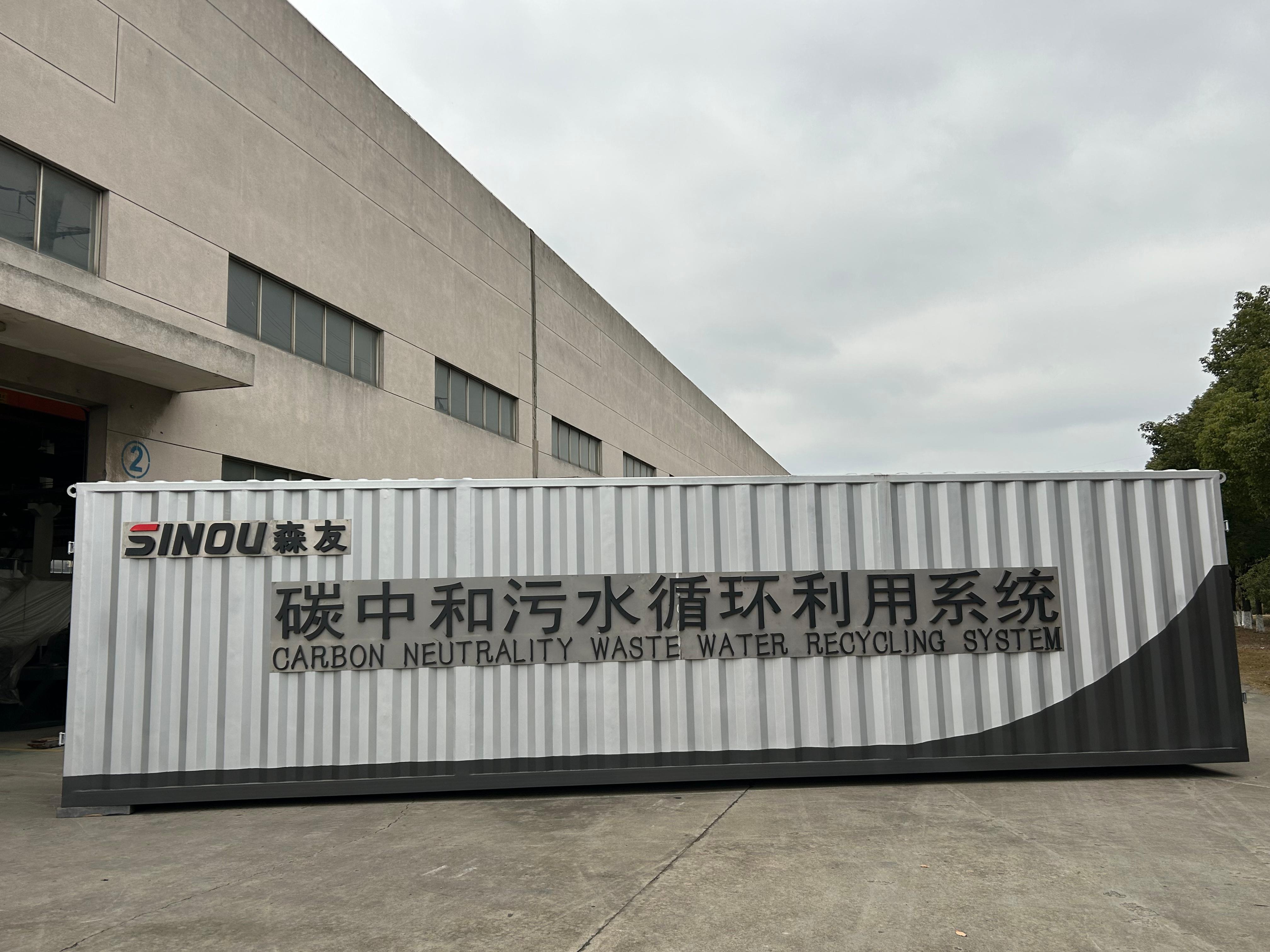
The labyrinth of trade regulations often catches businesses off guard, especially when they assume that a single compliance framework applies uniformly across borders. Each market maintains its own set of rules—ranging from product safety standards to labeling requirements—that can shift without warning. Companies that treat compliance as a one-time checklist risk stumbling into costly audits or shipment rejections. Instead, smart operators build adaptive systems that track regulatory changes in real time, leaning on local experts and digital tools to map out obligations before they become obstacles.
Tariff classifications and customs valuation present another layer of complexity, where a minor misstep can trigger backdated duties and penalties. The challenge isn’t just understanding the Harmonized System codes but also navigating the nuances of free trade agreements, rules of origin, and preferential duty claims that change with each negotiation cycle. Businesses that invest in dedicated customs teams or automate document preparation gain a critical speed advantage, turning a potential choke point into a streamlined gateway for cross-border flow.
Beyond the written rules, informal trade barriers and bureaucratic inertia can stall even well-prepared shipments. Building relationships with in-country agents who understand local enforcement patterns often proves more effective than trying to decipher opaque regulatory announcements. Successful navigation demands a blend of legal precision, operational agility, and cultural awareness—qualities that separate companies that simply survive cross-border trade from those that use compliance as a competitive lever.
Forging Strategic Partnerships in Target Markets
Building meaningful connections in a new region requires more than just a handshake—it demands a deep understanding of local business rhythms and cultural nuances. Whether entering a bustling metropolis or a niche industrial hub, the key lies in identifying partners whose strengths genuinely complement your own. Instead of chasing volume, focus on a handful of relationships where mutual growth feels organic, not forced. This often means looking beyond the obvious candidates and exploring second-tier firms hungry for innovation, or unexpected collaborators from adjacent sectors who can open doors you didn't know existed.
A partnership should feel less like a transaction and more like a shared adventure. Start small with pilot projects that let both sides test the waters without overwhelming risk. Use these early wins to build trust and refine the working dynamic. Pay close attention to the informal moments—the coffee breaks, the after-hours dinners—because that’s where real alignment often emerges. When both teams can laugh at the same challenges and celebrate small victories, you’re moving beyond a paper contract into something resilient.
Over time, the best alliances evolve into ecosystems. Encourage partners to connect with each other, creating a web of support that amplifies your reach far beyond what a single agreement could achieve. Keep the dialogue loose and frequent, avoiding rigid quarterly reviews in favor of ongoing, candid conversations. Stay curious about shifting local trends and be ready to pivot together; flexibility is the glue that keeps a strategic partnership vibrant when the market throws curveballs.
Tailoring Technology to Local Infrastructure and Needs
Effective deployment of any technology depends on how well it aligns with the existing infrastructure and actual needs of a community. In regions with limited internet connectivity, for example, offline-capable applications or low-bandwidth solutions become essential. Rather than pursuing the latest high-tech trends, project planners must first assess the local power supply, network reliability, and hardware accessibility. This grounded approach often leads to hybrid systems that combine digital tools with traditional methods, ensuring consistent performance even in challenging environments.
Understanding local needs goes beyond technical requirements—it involves the cultural, economic, and educational context. A solution designed for one community may fail in another if it doesn't account for language barriers, digital literacy levels, or daily routines. Engaging local stakeholders early and often helps uncover unspoken priorities, such as the need for mobile-first interfaces or voice-guided instructions. This participatory design not only builds trust but also uncovers creative adaptations that a purely top-down strategy would miss.
Sustainability is another key factor when tailoring technology. Maintenance and repair capabilities must be locally available, empowering residents to manage the technology long after initial deployment. Training programs and simple, modular designs reduce dependence on outside experts. By embedding technology within the fabric of local life—whether through community-run networks or adaptable software—the solution becomes a natural extension of the environment, capable of evolving alongside the community’s own growth.
Financing Models That Unlock International Projects
Global infrastructure and development initiatives often stall not due to a lack of vision, but because traditional funding structures can’t bridge the gap between risk and reward. A modern financing model that’s gaining traction blends public, private, and multilateral capital in layered risk-sharing arrangements. For example, development finance institutions might offer first-loss guarantees that absorb initial project setbacks, making it safer for commercial banks and institutional investors to step in. This tiered approach doesn’t just spread exposure—it actively courts partners who would otherwise sit on the sidelines, turning a high-risk venture into a viable investment proposition.
Another transformative model links funding to performance outcomes rather than upfront capital expenditure. In such setups, payment streams begin only when a project meets predefined social or operational milestones—think of a water treatment plant that gets paid per cubic meter of clean water delivered, or a vocational training center funded based on job placement rates. This shifts the focus from chasing budgets to delivering measurable impact, aligning incentives across governments, contractors, and investors. It also builds in accountability, as financial rewards are unlocked only when the project proves its worth on the ground.
Cross-border currency and revenue structures are equally critical. Too many promising ideas collapse under the weight of foreign exchange volatility or repatriation restrictions. Innovative models now incorporate local-currency financing, blended escrow accounts, and revenue-sharing mechanisms tied to export earnings or regional trade credits. By structuring deals in ways that reflect how money actually moves in and out of a host country, these frameworks reduce dependence on external currency reserves and create a more resilient financial backbone—one that echoes the real economic flows of the project’s environment.
Building a Brand That Resonates Across Cultures
A name that sings in one language might fall flat in another. That’s why the most enduring global brands treat linguistic nuance as a design layer, not an afterthought. It’s less about direct translation and more about capturing the emotional weight a word carries in context. When a skincare line rebrands its hydrating serum, “Dewy Veil” might evoke freshness in English, but in Japanese, the metaphor could confuse. Instead, a phrase like “Skin’s Early Light” maintains poetic softness while aligning with cultural associations of morning rituals. The lesson: let local linguistic texture shape your brand voice, so your message feels less like a broadcast and more like a story being retold in a familiar accent.
Color palettes and symbols demand equal care. Red signals luck and celebration in China, yet signals danger or urgency in many Western contexts. A food brand aiming for pan-Asian appeal might lean into crimson packaging for the Lunar New Year, but that same choice could subconsciously repel European buyers browsing for relaxation teas. Smart brands run visual audits across their key markets, sometimes discovering that a single hue needs regional variations. Beyond color, typography and imagery carry unspoken codes—a hand gesture that’s friendly in one culture may be offensive in another. The fix isn’t to strip away all risk but to build visual systems flexible enough to adapt gracefully, like a well-tailored garment that suits different body types without losing its signature silhouette.
The deepest resonance, though, comes from shared values, not just adapted symbols. A brand that genuinely embeds local cultural narratives into its DNA transcends mere translation. Consider how a sportswear company might celebrate community resilience after a natural disaster in one region, while highlighting individual triumph in another. Those authentic moments can’t be scripted by a global marketing playbook; they require local teams who understand the emotional currents of their communities. When a brand shows up with humility, listening before speaking, it earns the right to be part of cultural conversations. That’s when a brand stops being an outsider trying to sell something and becomes a familiar presence woven into the everyday fabric of people’s lives.
FAQ
Beyond basic tech specifications, readiness hinges on modular design for easy adaptation to local infrastructure, proven compliance with multiple international standards, and having a supply chain that can handle variable duties and tariffs without cost spikes.
It starts with embedding local regulatory expertise early—either through in-country partners or consultants. Smart firms create a compliance matrix that maps requirements across target regions and design their core system to be configurable, not custom-built, for each locale.
Massive. For example, some markets prioritize odor control higher due to community proximity, while others care more about visual integration. Successful exporters tailor not just the product, but also the training, maintenance routines, and even the operational language to match local workforce habits.
Wastewater systems are not fire-and-forget. International clients fear downtime more than upfront cost. If you can't guarantee parts availability, remote monitoring support, and skilled technician dispatch within hours, you won't win repeat business or word-of-mouth referrals in that region.
Focus on niche excellence. While big players sell broad catalogs, smaller firms can dominate by solving a specific pain point—like high-salinity industrial wastewater or cold-climate biological treatment—and building a reference base of exceptionally satisfied clients in that niche.
Pure upfront purchase is rarely feasible. Options like performance-based contracts (pay per cubic meter treated), leasing models, or bundling with development finance institution guarantees often tip the scale. The key is demonstrating long-term operational cost savings that justify the investment.
It's a double-edged sword: you need to share enough know-how to build trust and enable local operation, but you must embed proprietary elements in non-disclosable ways—like specialized media, opaque process controls, or proprietary software algorithms—that can't be easily reverse-engineered.
The biggest: choosing a partner based on who shouts loudest at a trade show rather than who has genuine long-term relationships with local utilities and engineering firms. Other pitfalls include not auditing their service capabilities or failing to align incentives so they prioritize your brand over selling generic parts.
Conclusion
Expanding wastewater system exports demands a clear-eyed assessment of where advanced treatment is most urgently needed. This goes beyond simple population growth figures—it requires understanding each region’s regulatory trajectory, water stress levels, and industrial development plans. While Southeast Asia grapples with rapid urbanization outpacing sanitation infrastructure, parts of Africa face the dual challenge of water scarcity and agricultural runoff. Identifying these nuanced demand signals early allows exporters to position their solutions before competitors even enter the conversation. Equally critical is mastering the maze of trade regulations, from local content rules to environmental certifications. Rushing into a market without this groundwork often leads to costly delays or outright rejection at customs. The most successful exporters treat compliance not as a hurdle but as a competitive advantage, embedding regulatory awareness into their product design and documentation from day one.
Technology alone rarely wins international deals; it must be adapted to local realities. A membrane bioreactor that thrives in temperate climates might fail in regions with intermittent power supplies or high salinity groundwater. Collaborating with local engineering firms provides invaluable insight into these contextual factors, and often unlocks doors that sales pitches alone cannot open. Such partnerships should be nurtured well before a tender is issued, and they thrive on mutual benefit—think joint ventures that share risk and reward. Financing also plays a make-or-break role: many municipalities in target markets cannot afford lump-sum payments, yet few exporters initially structure offers around long-term service fees or build-operate-transfer models. Creative financing, backed by export credit agencies or development banks, can transform a tentative inquiry into a signature. Finally, branding must transcend translation. It means weaving local narratives, symbols, and success stories into how your solution is communicated. A company that presents itself as a long-term community partner rather than a foreign vendor earns trust and loyalty that no advertising campaign can buy.
Contact Us
Contact Person: HaiYan
Email: [email protected]
Tel/WhatsApp: +86 18957325588
Website: https://www.senyoubeton.com/