

Wood-Based Activated Carbon from China: Benefits, Applications, and Market Trends
2026-07-31
In the realm of carbon solutions, wood-based activated carbon from China is emerging as a quiet powerhouse, blending sustainability with high-performance filtration. From purifying water to cleaning air and refining precious metals, its applications are as diverse as they are essential. As global markets lean greener, the demand for this renewable carbon source is skyrocketing — and companies like Tundrr are at the forefront of delivering quality and innovation. What makes China’s wood-based carbon stand out, and why are industries racing to embrace it? Let’s explore the benefits, real-world uses, and the market currents shaping this dynamic sector.
Why Chinese Wood-Based Activated Carbon Stands Out in Performance
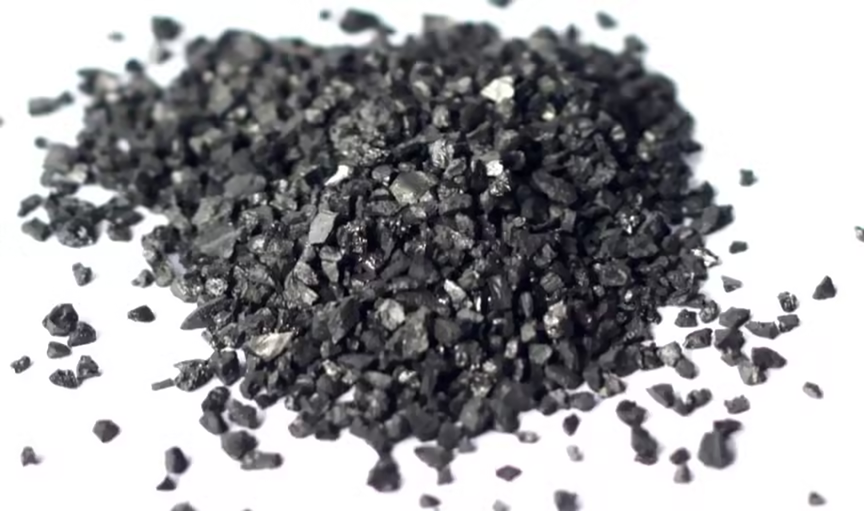
Chinese wood-based activated carbon is prized for its exceptionally high surface area and intricate pore structure, which stem from the careful selection of fast-growing, dense hardwoods like poplar and fir. These raw materials yield a product with a balanced mix of micropores and mesopores, enabling it to trap a broad spectrum of contaminants—from small volatile organic compounds to larger color bodies and colloids. The carbon's superior hardness and low attrition rate also mean it generates less dust during handling and backwashing, preserving downstream equipment and delivering consistent performance over extended service cycles.
What truly sets Chinese wood-based carbons apart is the seamless integration of traditional manufacturing techniques with modern process controls. Producers employ multi-stage activation under tightly monitored temperatures and steam injection, precisely tailoring the pore distribution to match demanding applications like drinking water purification, solvent recovery, and decolorization of food-grade syrups. This level of customization results in faster adsorption kinetics and higher operational capacities compared to many coal or coconut shell alternatives, often leading to reduced dosage requirements and lower total treatment costs.
Beyond pure adsorption metrics, the inherent resilience of wood-derived carbon lends itself to repeated thermal reactivation with minimal loss of structural integrity. Its low ash content—typically well below 5%—reduces the risk of leaching and catalytic side reactions, a critical advantage in potable water and pharmaceutical streams. Combined with a supply chain rooted in sustainably managed forests, Chinese wood-based activated carbon continues to redefine reliability and cost-effectiveness for industries that refuse to compromise on purification standards.
Everyday Products You Didn’t Know Use This Material
That disposable coffee cup lid you flicked off without a second thought is probably crafted from corn. Polylactic acid—a polymer derived from fermented cornstarch—has seeped into countless single-use items, masquerading as ordinary plastic. It's in clamshell takeout boxes, clear salad containers, and the glossy bags lining cereal boxes. The trick is how faithfully it mimics petroleum-based materials, right down to that crisp snap when you bend it.
Look closer at your laundry detergent pods or dishwasher tablets, and you might find they're wrapped in a dissolvable film made from polyvinyl alcohol—yet many new variants are switching to starch-based envelopes. Even beyond packaging, enteric capsules for some dietary supplements and medications now use plant-derived pullulan or hydroxypropyl methylcellulose instead of animal gelatin. Hikers are pulling on socks with nylon fibers spun partly from castor beans, and the 3D printing filament spooled on your desk could be PLA, printing everything from architectural models to custom earbud cases without a whiff of styrene.
What's remarkable is how quietly bioplastics have moved from niche eco-markets into industrial supply chains. They show up in injection-molded car dashboard components, biodegradable mulch films for agriculture, and the shrink-wrap around a new mattress. As enzyme technology improves, these materials can be designed to break down only under specific microbial conditions—meaning a fork sturdy enough for a steaming bowl of soup won't wilt mid-meal, but will vanish in a commercial compost heap within weeks.
How It’s Quietly Revolutionizing Environmental Cleanups
In contaminated sites across the globe, tiny organisms are doing the heavy lifting. Microbes that naturally break down oil, solvents, and other toxic compounds are being harnessed to clean up the mess left by industrial activity. Unlike traditional methods that involve digging up soil and hauling it away, this biological approach works on-site, often with nothing more than a nutrient boost to wake up the native bacteria.
The real shift, however, lies in how unobtrusively these cleanups happen. No heavy machinery, no relocation of communities—just a quiet, below-the-surface transformation. Scientists are now engineering microbes to target specific pollutants, like the persistent PFAS chemicals that resist natural degradation. This precision means fewer side effects on the surrounding ecosystem and a faster path to recovery.
Beyond bacteria, plants are also being enlisted. Species like poplar trees and sunflowers can soak up heavy metals through their roots, storing them in their tissues. Once the plants are harvested, the contaminants are removed from the soil for good. It’s a gradual process, but one that restores land without the scars of traditional remediation.
The Surprising Cost-Effectiveness Behind Its Rising Demand
At first glance, the growing popularity might seem driven by marketing hype or fleeting trends. But a closer look at the numbers reveals a different story—one where upfront expenses pale in comparison to the long-term savings. Many adopters discover that the total cost of ownership drops sharply over time, thanks to minimal maintenance, reduced energy consumption, and fewer replacement cycles. This isn't just about being cheap; it's about value that compounds quietly, making the initial investment feel almost trivial after the first year.
What often goes unnoticed is how this option sidesteps the hidden fees baked into traditional alternatives. There's no need for costly infrastructure overhauls or specialized training, and the scalability means you pay only for what you use, when you use it. Businesses and individuals alike are catching on—not because of flashy ads, but through word-of-mouth from those who've watched their operating budgets breathe easier. It's a practical shift that resonates in boardrooms and living rooms alike.
The real surprise lies in the ripple effects. Lower ongoing costs free up capital for other priorities, fueling further adoption and innovation in a self-reinforcing cycle. As more people lean in, the collective savings mount, proving that sometimes the most powerful force behind a trend isn't glamour, but simple, undeniable economics.
Key Industries Driving the Unseen Growth
While tech startups and AI breakthroughs often steal the spotlight, a quieter revolution is unfolding in industries that rarely make headlines. Advanced manufacturing, for instance, has quietly embedded itself into supply chains, using automation and materials science to unlock efficiencies that ripple across economies. This isn’t the noisy factory floor of the past—it’s a blend of robotics, 3D printing, and data analytics that operates in the background, elevating productivity without fanfare.
Another underrated force is industrial biotechnology. Beyond the buzz of lab-grown meat or biofuels, microbial engineering now shapes everything from textile production to waste management. Companies are harnessing enzymes and microorganisms to replace harsh chemicals, turning pollution into profit and waste into raw materials. It’s a subtle shift, but one that’s restructuring entire supply chains while skirting public attention.
Then there’s the quiet expansion of niche logistics and cold chain infrastructure—unseen arteries that keep the global economy alive. As pharmaceutical and fresh food demands evolve, specialized storage and transport networks have grown silently, often in unassuming industrial parks. These networks are the connective tissue behind modern consumption, and their steady, unglamorous growth fuels sectors far beyond their immediate reach.
Navigating the Future: Innovation and Sustainability Hand in Hand
Tomorrow's breakthroughs won't come from a single flash of genius—they'll emerge when we stop treating innovation and sustainability as separate tracks. The most forward-thinking teams are already weaving environmental intelligence into their creative process, not as a constraint but as a source of unexpected solutions. From materials that heal themselves to supply chains that regenerate ecosystems, the line between clever design and responsible design is dissolving.
What does that look like on the ground? It's engineers collaborating with ecologists to rethink packaging, not just reducing plastic but creating systems that give back to the soil. It's urban planners designing neighborhoods where green spaces manage stormwater naturally, and where energy-efficient buildings learn from the local climate instead of fighting it. The common thread? Seeing the world as a set of relationships, not just resources.
The organizations thriving in this new landscape are the ones that embrace ambiguity. They recognize that a sustainable future doesn't arrive as a finished blueprint—it unfolds through constant tinkering, rapid learning, and the humility to let go of yesterday's certainties. The path forward isn't a trade-off between progress and preservation. It's a continuous conversation between what we can do and what we should do, where each decision sparks the next insight.
FAQ
Chinese manufacturers often use high-quality hardwood like oak and coconut shells, combined with advanced steam activation techniques, resulting in a product with high surface area and exceptional adsorption capacity. The consistent quality control and competitive pricing also give it an edge in global markets.
It's widely used in water purification for removing organic contaminants, air filtration in industrial settings, gold recovery in mining, and as a catalyst support in chemical processes. Its versatility also makes it popular in food and beverage processing for decolorization.
Wood-based variants typically have a more developed mesoporous structure, making them more effective for adsorbing larger molecules like dyes and humic substances. They also tend to be more renewable and have lower ash content, which is beneficial in certain applications like pharmaceuticals.
China offers a stable supply chain with large production capacities, cost advantages due to economies of scale, and a wide range of customization options. Many suppliers also provide technical support and consistent product quality that meets international standards.
Increasing environmental regulations globally are driving demand for mercury removal in flue gas and water treatment. Additionally, the shift towards sustainable materials is boosting interest in wood-based products, while innovations in reactivation and recycling are opening new opportunities.
Yes, reputable suppliers often hold certifications like NSF/ANSI 61 for drinking water, Halal or Kosher for food-grade applications, and REACH compliance for European markets. It's crucial to verify these certifications to ensure safety and performance.
Conclusion
Wood-based activated carbon from China has rapidly become a preferred choice across industries, blending high performance with sustainability. Sourced from fast-growing trees like pine and bamboo, it offers a renewable and consistently high-quality material. Its microporous structure provides an exceptional surface area, which translates into superior adsorption of contaminants. This effectiveness is rooted in the controlled activation process and the cellular architecture of wood, resulting in a carbon that outperforms many coal or coconut shell alternatives in both speed and capacity. What truly sets it apart is how seamlessly it integrates into products we use daily without us noticing—from water filters and air purifiers to medical treatments and cosmetics. Its gentle, low-dust nature makes it ideal for sensitive applications, while its reliability under varying conditions adds a layer of quiet confidence for manufacturers.
Beyond consumer goods, Chinese wood-based activated carbon is reshaping environmental remediation. It excels at removing industrial pollutants from water and capturing volatile organic compounds from air, often delivering results at a fraction of the cost of competing technologies. The economics are compelling: the raw material abundance and streamlined production in China keep prices competitive without sacrificing quality, fueling adoption across wastewater treatment plants, landfill gas purification, and soil restoration projects. Key sectors like food and beverage, pharmaceuticals, and automotive are silently expanding their use, driven by tighter environmental regulations and a push for greener solutions. Looking ahead, innovation is steering the industry toward tailored pore sizes, reactivation technologies, and even carbon-negative production methods. As sustainability becomes a non-negotiable priority, China’s wood-based activated carbon is positioned not just as a cost-effective adsorbent but as a cornerstone of a cleaner, resource-efficient future.
Contact Us
Contact Person: Ellen Zhang
Email: [email protected]
Tel/WhatsApp: +86(21) 2287 6756
Website: https://www.tundrr.com/en/