

Are Eco-Friendly Wooden Lids the Sustainable Packaging Upgrade Modern Brands Are Looking For?
2026-03-09
In recent years, I have seen an undeniable shift in how brands approach packaging. Businesses and consumers alike are paying closer attention to sustainability, material sourcing, and the environmental footprint of everyday products. During this transition, companies like BYF Arts&Crafts Co., Ltd. have gradually introduced thoughtfully designed packaging solutions that respond to these evolving expectations. One product that continually stands out in discussions with clients and manufacturers is the Eco-Friendly Wooden Lid. From cosmetic jars to candle containers, this simple yet refined component has become a practical answer to many packaging challenges.
I often speak with brand owners who want packaging that feels natural, durable, and visually distinctive while also supporting environmentally responsible values. Through my experience working with packaging suppliers and product developers, I have found that the Eco-Friendly Wooden Lid offers a surprisingly effective balance of sustainability, aesthetics, and functionality.
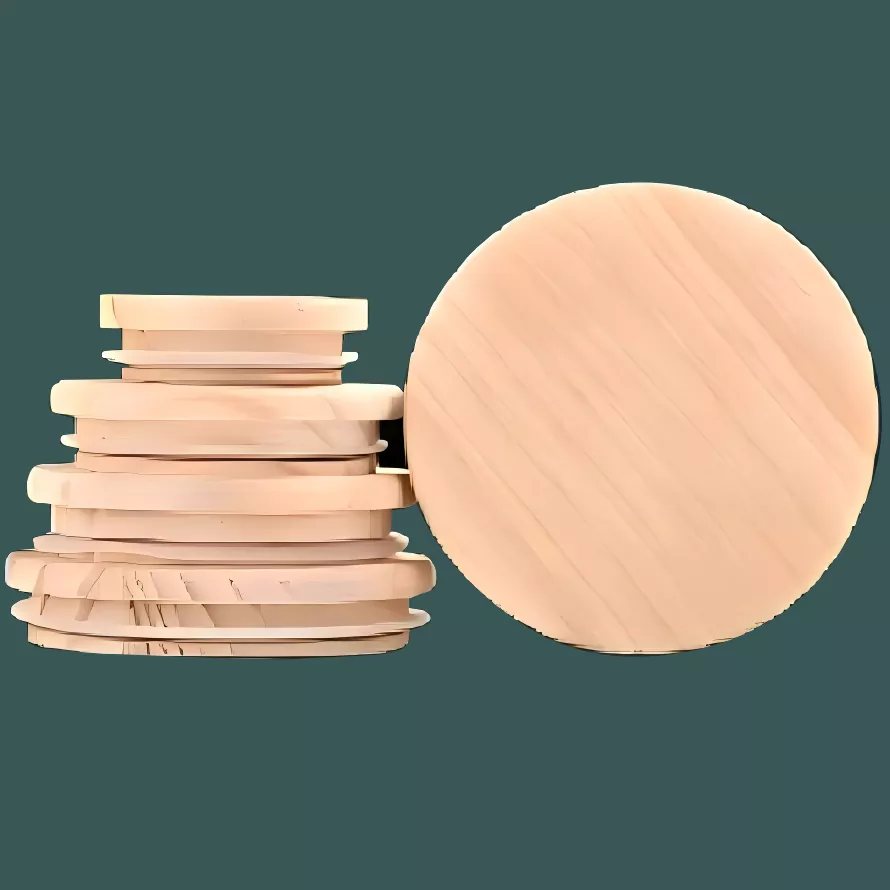
Why Do Sustainable Packaging Trends Push Brands Toward Eco-Friendly Wooden Lids?
When companies redesign packaging today, they are not only thinking about appearance. They are also thinking about regulatory pressure, consumer expectations, and long-term environmental responsibility. I regularly see brands searching for alternatives to plastic lids because traditional plastic packaging raises several concerns:
- Consumers increasingly prefer recyclable or biodegradable materials
- Retailers are prioritizing environmentally responsible packaging
- Brands want packaging that communicates authenticity and craftsmanship
- Global sustainability initiatives encourage reduction of petroleum-based materials
In many of these cases, the Eco-Friendly Wooden Lid becomes a practical solution. Natural wood materials help brands signal environmental responsibility while maintaining product durability and premium visual appeal.
Unlike synthetic closures, wooden lids introduce a natural texture and warmth that instantly elevates product presentation. For candle brands, cosmetic manufacturers, and specialty food companies, this aesthetic difference can significantly influence how customers perceive quality.
How Does an Eco-Friendly Wooden Lid Improve Both Sustainability and Product Experience?
When I evaluate packaging materials with clients, I usually consider three key aspects: environmental impact, usability, and brand storytelling. The Eco-Friendly Wooden Lid performs well across all three categories.
- Wood is a renewable material when responsibly sourced
- The natural grain makes every lid visually unique
- Wooden lids pair easily with glass, ceramic, and metal containers
- They create a premium tactile experience during product use
- Many wooden lids can be reused or repurposed by consumers
In practical terms, the Eco-Friendly Wooden Lid helps brands move closer to sustainable packaging goals without sacrificing product protection. Properly manufactured lids can incorporate silicone sealing rings or precision threading, ensuring a tight fit that protects the contents inside.
I often recommend this type of closure to brands that want packaging to feel less industrial and more handcrafted. That subtle change can strongly influence how customers perceive authenticity.
What Practical Advantages Do Eco-Friendly Wooden Lids Offer Compared With Conventional Plastic Closures?
From a performance perspective, many business owners initially worry that wooden lids might sacrifice durability. In reality, well-engineered wooden lids are often surprisingly resilient and versatile.
| Feature | Eco-Friendly Wooden Lid | Plastic Lid |
| Material Source | Renewable wood resources | Petroleum-based materials |
| Environmental Image | Supports sustainable branding | Often associated with waste concerns |
| Visual Appeal | Natural grain and warm texture | Uniform but less distinctive |
| Consumer Perception | Premium, handcrafted impression | Mass-produced appearance |
| Reuse Potential | Often repurposed or reused | Frequently discarded |
When brands adopt the Eco-Friendly Wooden Lid, they frequently discover that customers notice the difference immediately. The tactile feel of natural wood adds an extra layer of experience during product use, which is especially valuable in industries like aromatherapy candles and skincare.
Where Can Eco-Friendly Wooden Lids Be Applied Across Different Product Categories?
Another reason I recommend the Eco-Friendly Wooden Lid to many businesses is its versatility. It integrates smoothly into several industries without requiring major packaging redesign.
- Candle containers and aromatherapy jars
- Cosmetic cream and skincare packaging
- Handcrafted food storage jars
- Luxury home fragrance products
- Eco-conscious gift packaging
Because wood pairs naturally with glass containers, the overall packaging system feels cohesive and environmentally responsible. For brands trying to communicate authenticity, this combination can strengthen brand identity while aligning with sustainability messaging.
I have also noticed that many independent brands use the Eco-Friendly Wooden Lid to differentiate themselves in crowded markets. Small visual details often make the difference between a product that blends in and one that stands out on retail shelves.
What Should Businesses Consider When Choosing a Reliable Eco-Friendly Wooden Lid Supplier?
From my experience working with packaging partners, not all wooden lids are manufactured with the same level of precision or material quality. When selecting suppliers, I recommend paying attention to several critical factors.
- Consistency in wood sourcing and sustainability practices
- Precision machining for tight container sealing
- Moisture resistance and surface finishing quality
- Customization options for engraving or branding
- Production capacity and export experience
Reliable manufacturers invest in quality control processes to ensure that each Eco-Friendly Wooden Lid maintains consistent dimensions and structural integrity. This reliability becomes especially important for brands scaling their production or entering international markets.
Packaging components might seem small compared to the overall product, but they influence both usability and brand perception. Choosing a dependable supplier therefore becomes a strategic decision rather than a simple purchasing task.
Could Eco-Friendly Wooden Lids Become the Future Standard for Sustainable Packaging?
Looking ahead, I believe sustainable packaging will continue evolving as consumer expectations rise. Brands are already moving away from disposable plastics toward materials that communicate environmental responsibility.
Within that transition, the Eco-Friendly Wooden Lid represents more than a packaging accessory. It represents a shift toward materials that combine sustainability with design value. Natural wood offers both functional performance and an emotional connection to craftsmanship that many modern consumers appreciate.
If your brand is exploring packaging solutions that balance sustainability, durability, and visual appeal, it may be the right time to consider integrating the Eco-Friendly Wooden Lid into your product line.
If you would like to explore customization options, material specifications, or bulk supply opportunities, we welcome you to contact us. Our team is always ready to discuss how sustainable packaging solutions can support your brand’s next stage of growth.